Rosa Chenz, Pulpí
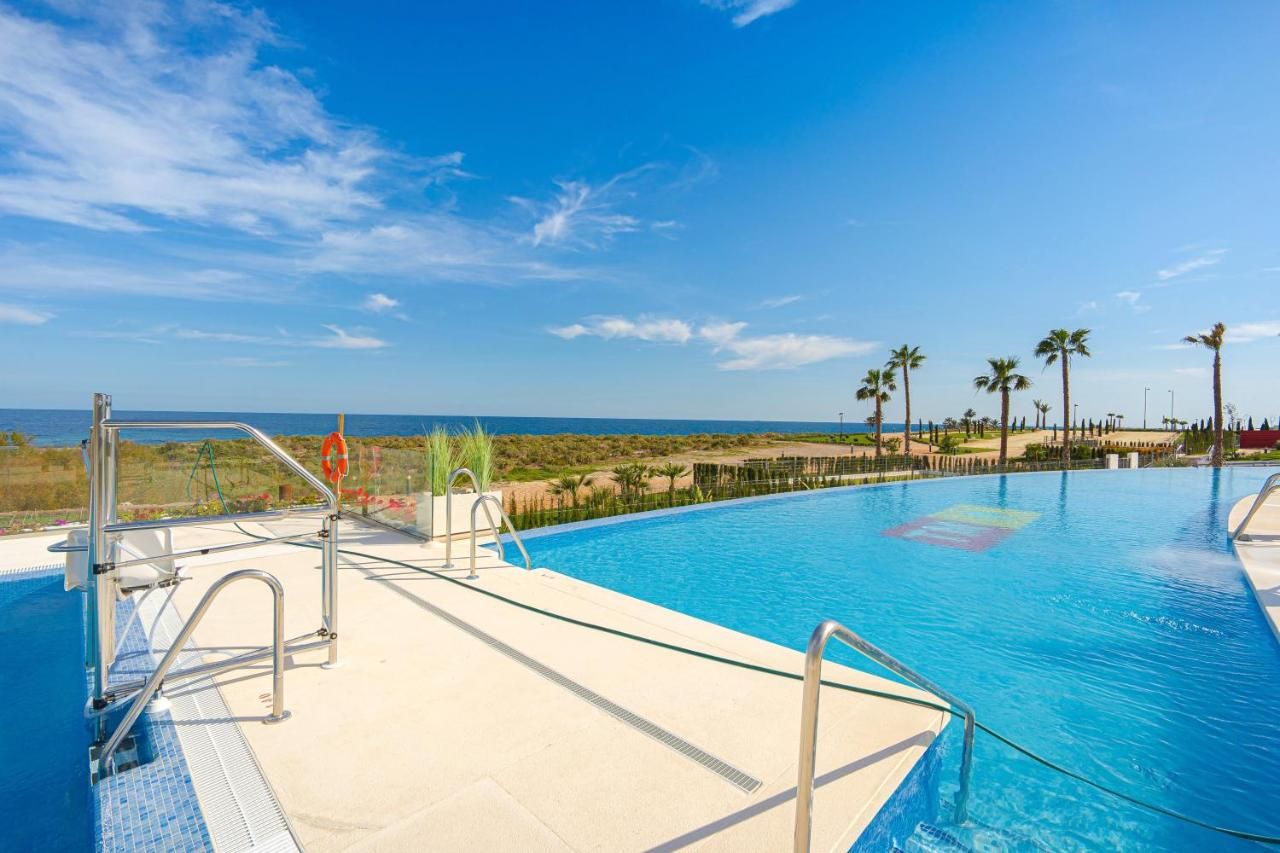
Rosa Chenz pairs a beachfront Pulpí setting with a heated outdoor pool and a well-equipped kitchen for self-catering. Garden space, parking and a washing machine add practical flexibility, while the town’s mining…
Read hotel guideThe art of finding somewhere wonderful.
Video by Nirjhar Basak on Pexels
Pulpí’s heritage is best read across different kinds of working and communal places: a parish church at the centre of local religious life, the remains of an iron-mining complex at Pilar de Jaravía, and an oil mill preserved within the Cortijo San Carlos. Together, these buildings offer a grounded sense of the municipality’s history, from civic and devotional architecture to the practical industries that shaped its settlements.
The Iglesia de San Miguel Arcángel is a sober neoclassical presence, its rectangular plan organised around a single nave. Inside, arches spring from supports set against the perimeter walls; the original barrel vault was replaced in the nineteenth century by a timber version. At the head of the church, the main chapel marks the focus of the interior.
Outside, the architecture is restrained. A tower of three diminishing stages stands beside the sanctuary, while the symmetrical brick façade is framed by substantial pilasters and finished with a broad triangular pediment. Above the entrance, a commemorative plaque records the church’s construction in 1801, during the reign of Carlos IV. The building became a parish church in 1900, having previously served as an auxiliary church to the parish of Vera. Its details make the story of a local place of worship unusually legible: not grandiose, but carefully composed and firmly rooted in its community.
At Pilar de Jaravía, the mining remains tell a different story. The complex lies in the Sierra del Aguilón, in Pulpí’s eastern part, facing the beach of Los Terreros. Its surviving elements include a mine-head structure, the building that housed the machinery, stores and auxiliary buildings, and two circular furnaces where iron ore was calcined to increase its metal content before export. Remains of an aerial cableway also speak to the work of moving mineral towards the railway.
Rather than a single monument, this is an industrial ensemble: structures arranged around the stages of extraction, preparation and transport. Read together, they connect Pulpí’s inland hills with the wider movement of mineral beyond them. The setting, between the Sierra del Aguilón and the coast, gives the remains a particular local context without reducing them to scenery alone.
Cortijo San Carlos, near La Fuente, brings the focus back to agricultural life. Its compact two-storey buildings combined homes with spaces for processing and storing produce. The former oil mill retains stone conical mill rollers, a boiler and an internal water tank; it remained in use until the late 1960s. A walled garden and separate farm buildings complete a picture of a working estate, rather than a residence set apart from its productive purpose.
On a hill outside Pulpí, El Calvario offers a more communal point of reference. Its crosses stand on stone bases within a public park, and the site forms part of a religious observance important to local tradition. These distinct places—church, mine, cortijo and calvary—suggest a municipality whose character is found not in one grand narrative, but in the varied buildings and landscapes through which people worshipped, worked and gathered.
Rosa Chenz pairs a beachfront Pulpí setting with a heated outdoor pool and a well-equipped kitchen for self-catering. Garden space, parking and a washing machine add practical flexibility, while the town’s mining…
Read hotel guide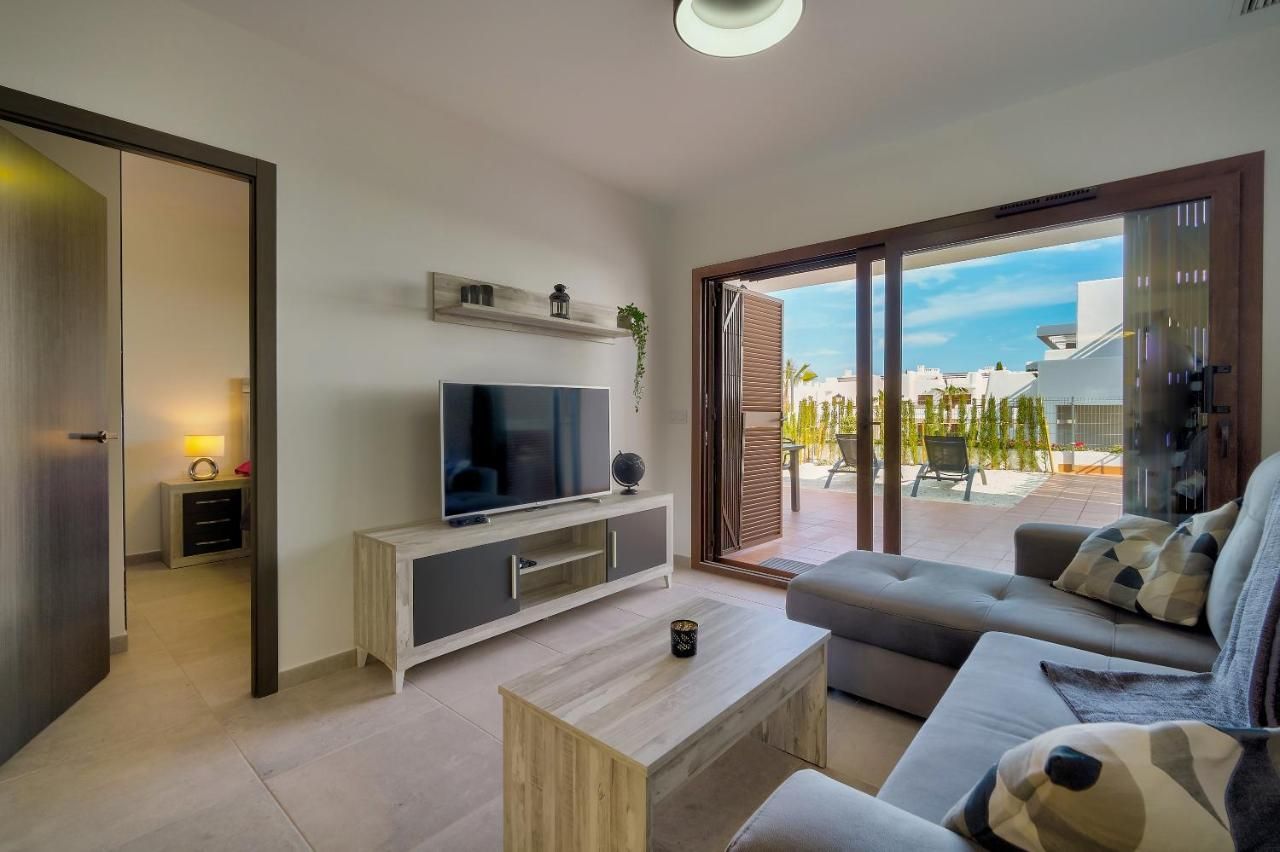
With a heated outdoor pool, garden and a kitchen equipped for full self-catering, Sol en Pulpi offers a practical, flexible base in Pulpí. Free private parking, a lift and laundry facilities add…
Read hotel guide