Villa de Gor
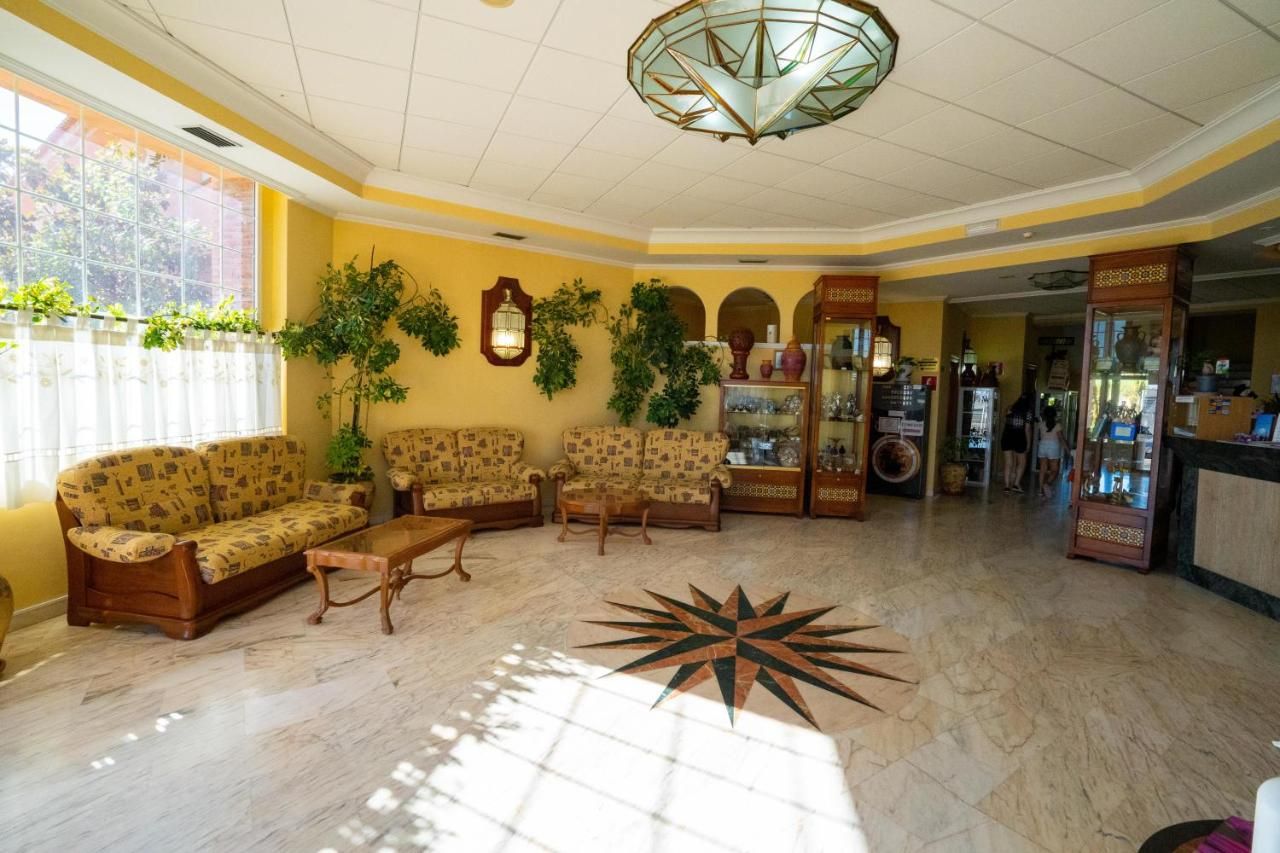
A three-star hotel on the A-92-N in Gor, Villa de Gor combines round-the-clock reception with a bar, coffee shop, fitness centre and accessible facilities. Its setting offers a connection to the river…
Read hotel guideThe art of finding somewhere wonderful.
Video by Nirjhar Basak on Pexels
Gor’s story is written in buildings and in the traces of much older lives along the river that bears its name. Its historic centre brings together the remains of a medieval stronghold and a church whose fabric reflects centuries of change; beyond the town, archaeological evidence gives the surrounding landscape a much deeper human timeline. These are distinct strands of heritage, best appreciated without expecting them to resolve into a single, neatly preserved monument.
The remains of the Castillo de Gor recall a fortress built in the Nasrid period. After its surrender to Christian forces in December 1489, it became the residence of the lords of Gor. A record from 1571 describes a substantial stronghold with four towers, good living quarters and a household in residence. By the nineteenth century, the building was described as a large family residence, its rooms also used for storage and its enclosed grounds including a garden.
What survives speaks of those successive purposes rather than an untouched medieval castle. The original construction appears to have used rammed earth, while later alterations introduced other materials. Parts of its perimeter have been lost, and the surviving remains include towers and sections of the former structure. The castle’s interest lies partly in this change of use: a defensive stronghold became a seat of local authority and residence, then a building altered by later needs.
The Iglesia de Nuestra Señora de la Anunciación offers a different kind of historical record. Built over the former mosque in the sixteenth century, it is associated with Diego de Jaén and Juan de Vandelvira. Its appearance has been altered by later reforms, but its interior retains a small number of details that connect it to an earlier decorative scheme. Frescoes survive in the chapel of the Virgen de Belén, where the arms of the dukes of Gor accompany an inscription recording their patronage in 1699. Three unequal naves, divided by rounded arches resting on Doric pillars, give the building an arrangement worth noticing, while its ironwork belfry adds a distinctive finish to the tower.
Older still is Las Angosturas, a settlement site on a rocky spur above a meander of the river Gor. Excavations have traced occupation through several prehistoric phases, including the Copper Age and later Bronze Age burials; the evidence also extends into the Iberian period, with indications of Romanisation in its final stages. The settlement’s small scale contrasts with the strategic position described in the archaeological record. Together, these remains make Gor more than a place of medieval and ecclesiastical heritage: its history reaches back through a landscape inhabited and reshaped over millennia.
Gor rewards attention to these layers rather than a checklist of sights. The castle, parish church and riverside archaeological story offer different ways to understand the place, each rooted in a distinct period and surviving in a different form.
A three-star hotel on the A-92-N in Gor, Villa de Gor combines round-the-clock reception with a bar, coffee shop, fitness centre and accessible facilities. Its setting offers a connection to the river…
Read hotel guide