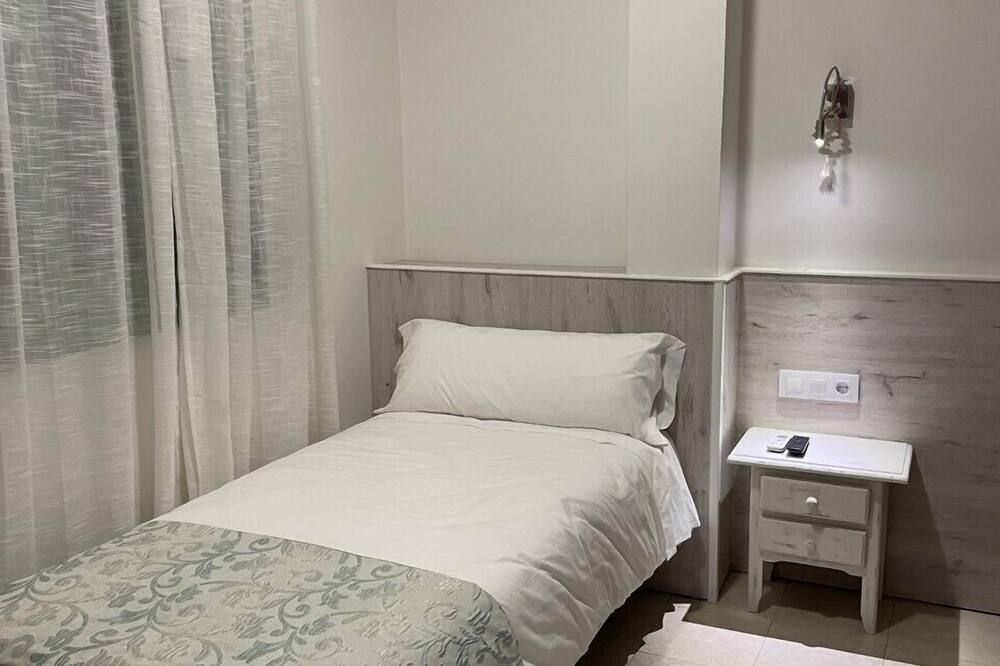
Hostal Fleming, Lebrija
Hostal Fleming is a three-star Lebrija hostal with private bathrooms, air conditioning, heating and a desk in each room. Its practical, room-focused offer makes it a clear choice for visitors who value…
Read hotel guideThe art of finding somewhere wonderful.
Video by Nirjhar Basak on Pexels
Lebrija’s long history is best understood through its relationship with the former marshland and the waterways that once shaped movement and exchange. The archaeological record around the town is not a single, neatly preserved monument: it is a dispersed landscape of settlement sites, many now affected by cultivation, development or erosion. Read together, however, these places trace a remarkably long human presence and suggest how the area’s position between higher ground, fertile land and marsh could sustain different communities over time.
The Cerro del Castillo is among the most significant sites in this story. Its occupation reaches back to the Copper Age and continued through the Bronze Age, Iberian and Roman periods, and into medieval and modern times. Finds recorded there include prehistoric tools and pottery, Roman material, funerary remains and later ceramics. The site’s position overlooking the marsh is also central to the interpretation of the ancient settlement: the archaeological record points to a place connected with maritime trade and the export of local produce.
Other sites help give that history a wider frame. At La Higuerita, on the edge of the marsh, Roman pottery and building remains have prompted the possibility that the site had a port-related role; its prominence is associated particularly with the first and second centuries AD. Las Playas, also interpreted as a Roman port, had evidence of a quay, a cistern and channels in an earlier survey, although later inspections did not relocate the remains. These accounts speak of a landscape in which water routes mattered, while also making clear that archaeological evidence may be fragmentary or difficult to see today.
Lebrija’s archaeological character extends into the surrounding countryside. Cerro de la Molinera occupies a rise with broad views across the town, its cultivated landscape and the eastern edge of the Aljarafe. Material there points to a Roman villa, probably founded in the first or second century AD and continuing into late antiquity. At La Carrascosa, Roman finds are accompanied by a smaller medieval presence, while the site’s setting near the marsh and railway illustrates how later land use overlays older traces.
The wider record reaches further back still. San Benito I, on the heights of the Cerro de San Benito, includes evidence associated with a flint-working area and Bronze Age occupation, alongside later Punic and Roman material. Its varied remains belong to a landscape rather than a single showpiece, and the site has also been strongly altered by human activity.
For visitors, this is a history to approach through context rather than an assumption that every recorded site is an accessible attraction. Some locations have produced no visible remains in later inspections; others lie in agricultural land or have been substantially disturbed. What endures is the larger picture: Lebrija grew within a changing world of marsh, cultivation and ancient waterways, with successive communities leaving traces across the town’s surrounding landscape.
Hostal Fleming is a three-star Lebrija hostal with private bathrooms, air conditioning, heating and a desk in each room. Its practical, room-focused offer makes it a clear choice for visitors who value…
Read hotel guide