Skip to content

Italy

The art of finding somewhere wonderful.

Video by Nirjhar Basak on Pexels

Country guide

Discover Italy.

Italy changes character repeatedly on the journey from the Alps to the southern tip of the peninsula. Mountain valleys and northern lakes give way to historic cities, cultivated hills, coastal settlements and eventually the islands of Sicily and Sardinia. The country’s regional differences are visible not only in scenery but in buildings, food, local traditions and the pace of everyday life. Choosing where to travel is therefore as much about the kind of place you want to understand as the landmarks you hope to see.

The Alpine north and the lakes

At the country’s northern edge, the Aosta Valley places castles and settlements among high Alpine peaks. Piedmont brings a different combination of mountain country, wine-producing hills and elegant urban centres. In Lombardy, Milan’s metropolitan character exists alongside the lakes and mountain landscapes of the north. Veneto combines historic cities, including Venice and Verona, with Lake Garda and the Dolomites, making it possible to encounter remarkably different settings within one part of Italy.

These northern regions show how Italian travel is shaped by terrain. A lakeside town, a mountain valley and an old commercial city are linked by history and geography, yet offer different ways to spend a day. Routes through the north reward a little space for smaller places, not simply a succession of city stops.

Historic cities and the central regions

In central Italy, Tuscany is associated with cities of art, cultivated landscapes and longstanding food traditions. Umbria has wooded hills, lakes, rivers and settlements with important religious and civic histories. Lazio contains Rome, but also stretches towards the coast and into upland country. The contrasts matter: monumental urban history is one strand of central Italy, while smaller towns, rural architecture and working landscapes tell others.

Along the Adriatic side, regions such as Marche and Abruzzo add another perspective. Abruzzo’s mountain country rises within reach of the sea, illustrating how coast and high ground can belong to the same regional story. An itinerary that treats the centre of the country as more than a route between major cities has room for these shifts in landscape.

The southern mainland and the islands

Campania’s cultural inheritance and coastline sit alongside inland settlements and agricultural traditions. Puglia is known for historic structures such as the trulli and Castel del Monte, as well as long coastal stretches. Basilicata moves between mountains and two seas, while Calabria’s terrain brings high ground close to the shoreline at the foot of the peninsula.

Sicily and Sardinia broaden the journey still further. Sicily combines hills, mountains, coastal towns and layers of historic settlement; Sardinia brings its own archaeological traditions, rocky landscapes and island communities. Neither should be treated as simply another beach destination. Together, Italy’s regions make a strong case for travelling with regional curiosity: the country is connected by a shared identity, but its most revealing details are often local.
When to visit Italy.

Historical average temperatures through the year for Rome (representative city, not a national average). Use these as a guide when deciding when to travel, rather than as a forecast.

Jan7°C
Feb8°C
Mar10°C
Apr14°C
May18°C
Jun23°C
Jul26°C
Aug26°C
Sep21°C
Oct17°C
Nov12°C
Dec8°C

Historical mean air temperature: NASA POWER. Readings describe the stated reference location, not every part of the destination.

A destination can feel very different from one season to the next. Consider the weather alongside local activities, school holidays and how busy you would like your trip to be.

Explore Italy on the map.

Explore the location and surrounding places before choosing where to stay. This is an orientation map centred on Rome (representative city, not a national average), not a map of official administrative boundaries.

Map data © OpenStreetMap contributors. View larger map.

Hotel guides in Italy.

9 Amaranto, Nerja

9 Amaranto, Nerja

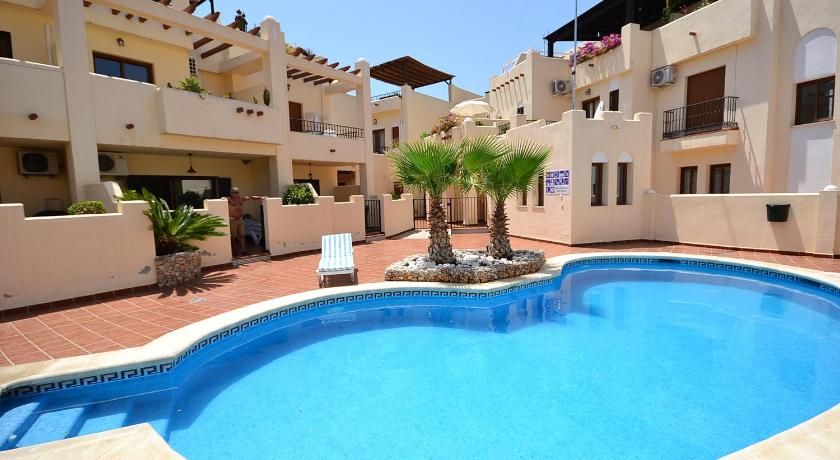
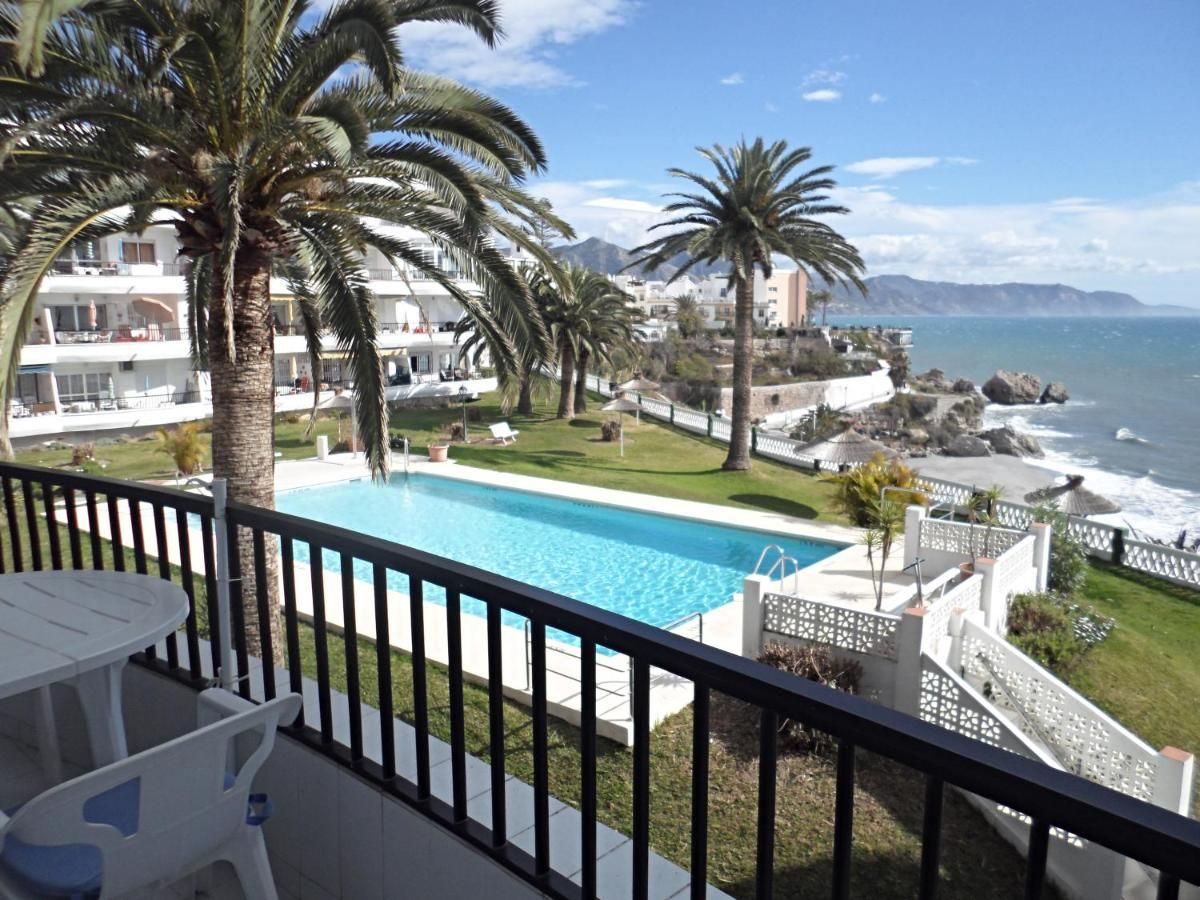
With an outdoor pool, kitchen, private parking and views spanning sea, mountain, garden and pool, 9 Amaranto offers an independent base in Nerja. Family equipment and outdoor dining add practical flexibility to…

Read hotel guide
A Escondidass, Ayamonte

A Escondidass, Ayamonte

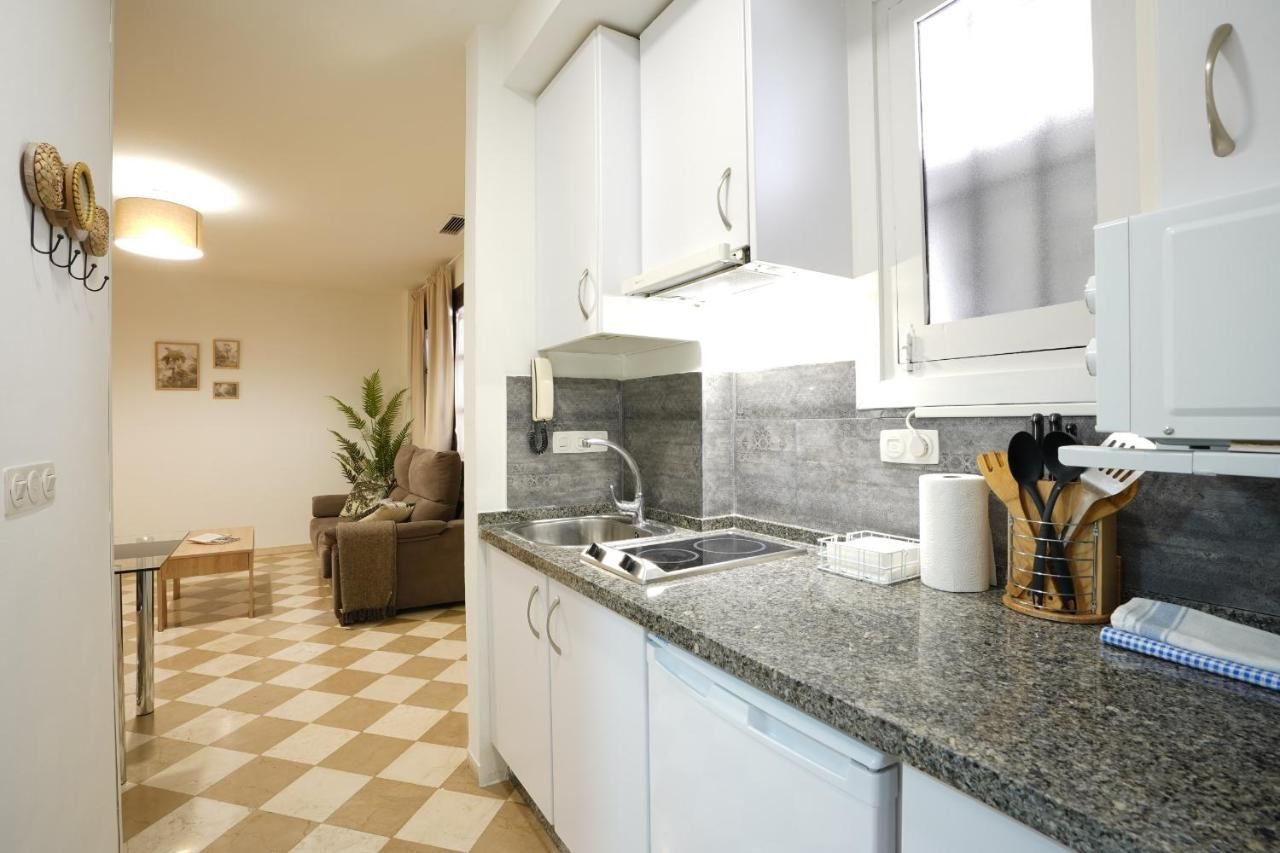
A Escondidass is a detached, adults-only self-catering stay in Ayamonte, with a ground-floor layout, equipped kitchen and practical laundry facilities. The town’s history as a riverside port and frontier settlement adds context…

Read hotel guide
AC Hotels by Marriott Algeciras

AC Hotels by Marriott Algeciras

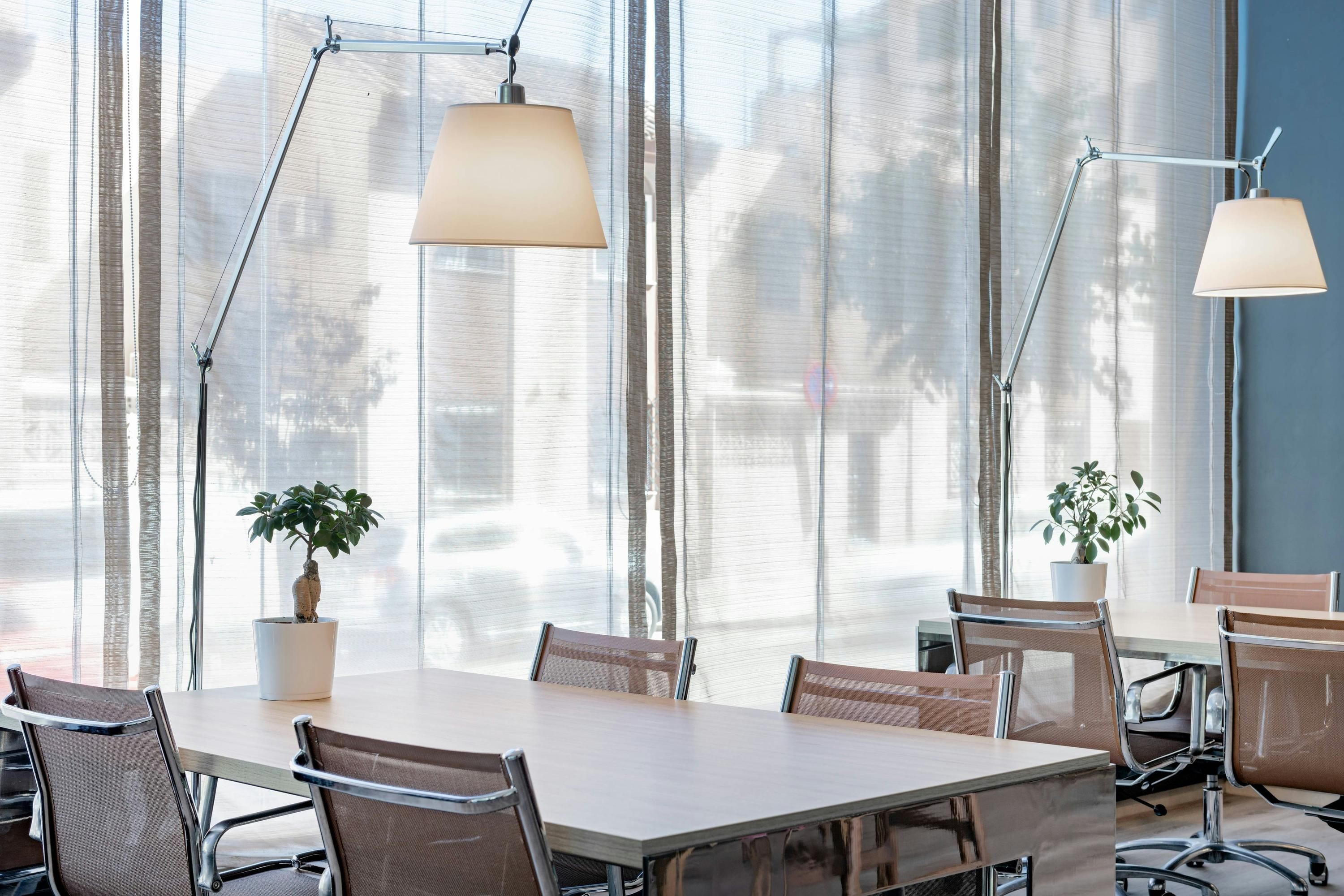
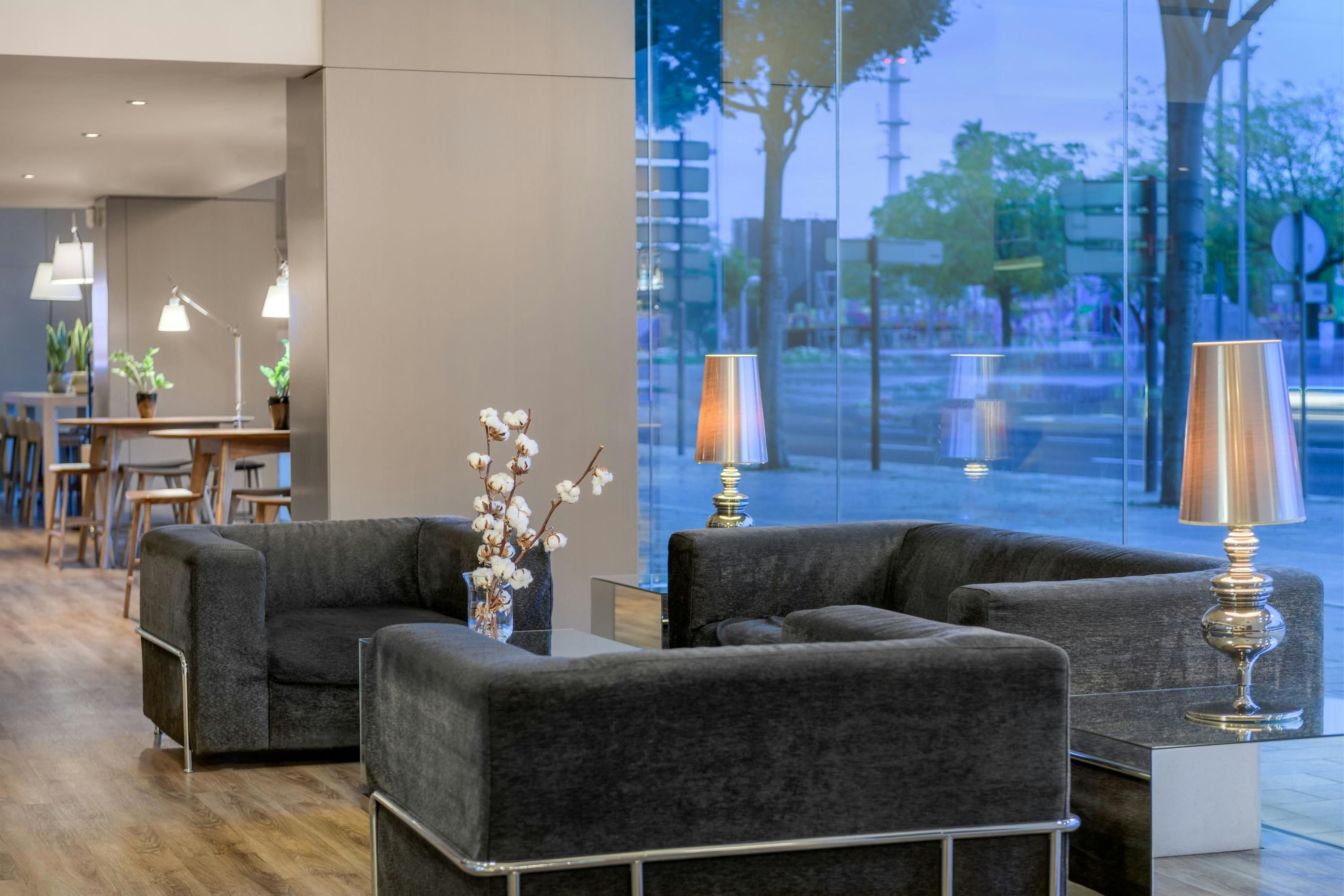
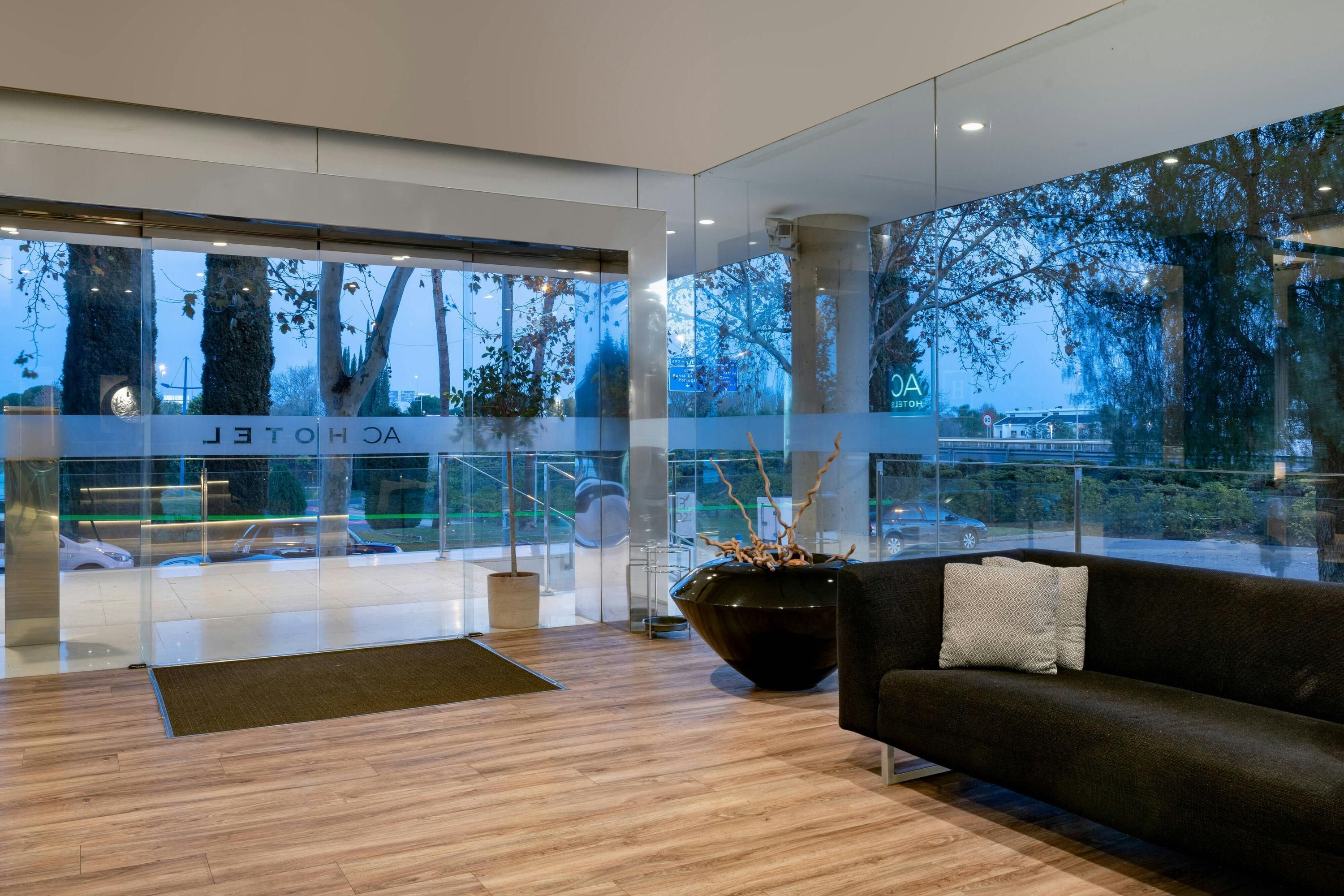
A four-star Algeciras hotel pairing meeting facilities and a business centre with a restaurant, fitness centre and family provision. Practical touches include a 24-hour front desk, parking and an airport shuttle; the…

Read hotel guide
AC Hotels by Marriott Córdoba

AC Hotels by Marriott Córdoba

AC Hotels by Marriott Córdoba pairs a restaurant, bar and fitness centre with business facilities, room service, private parking and EV charging. Its 24-hour reception and broad practical support suit both work…

Read hotel guide
AC Hotels by Marriott Huelva

AC Hotels by Marriott Huelva

A four-star Huelva hotel combining meeting and event facilities with a restaurant, bar and fitness centre. AC Hotels by Marriott Huelva suits business visits that benefit from useful on-site services, with the…

Read hotel guide
Acapulco Playa 26 Menyber, Nerja

Acapulco Playa 26 Menyber, Nerja

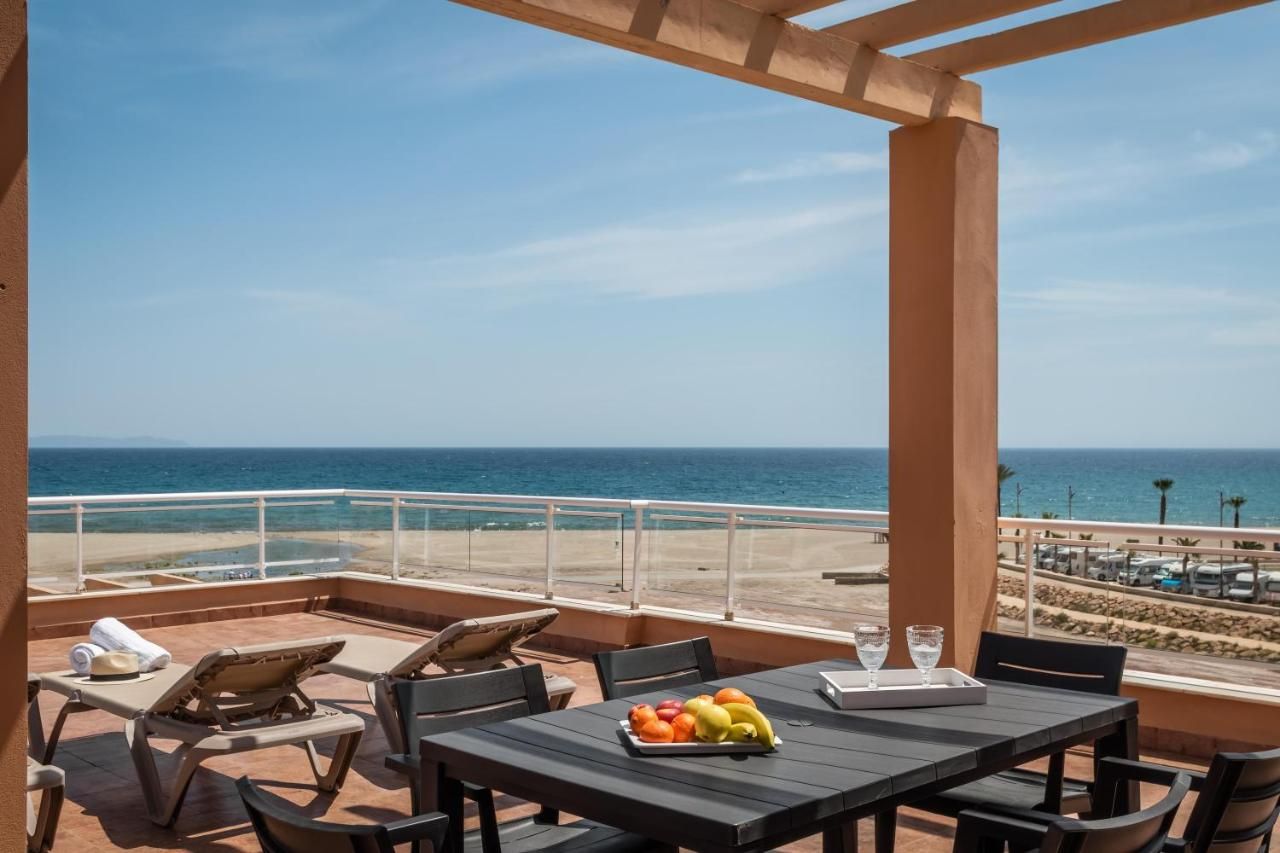
A beachfront Nerja apartment with a balcony, sea views and an outdoor pool, Acapulco Playa 26 Menyber also has a kitchen, dining area and washing machine for a more independent stay. Elevator…

Read hotel guide
Adanar-Las Columnas, Granada

Adanar-Las Columnas, Granada

Adanar-Las Columnas is a ground-floor Granada apartment with wheelchair-accessible features, a kitchen and family provisions. Daily housekeeping and laundry facilities add practicality, while the city’s historic markets and flamenco traditions provide a…

Read hotel guide
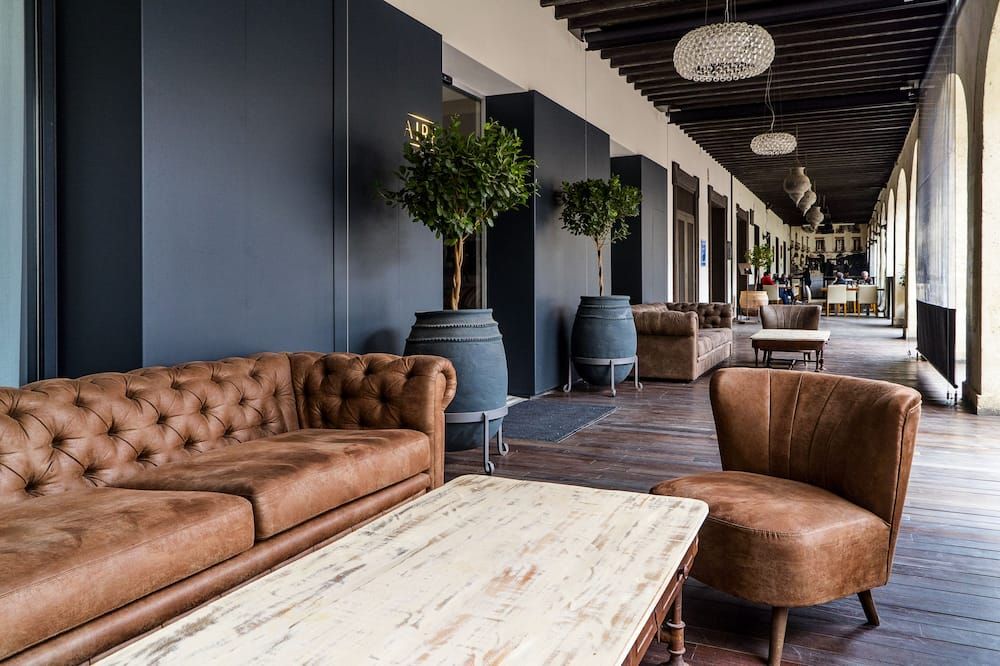
Aire de Ronda

Aire de Ronda

Aire de Ronda combines 24-hour reception, a restaurant, room service, a garden and a library at its address on Real. The three-star hotel’s practical amenities provide a straightforward base for experiencing Ronda’s…

Read hotel guide
Alanda Marbella Hotel, Marbella

Alanda Marbella Hotel, Marbella

A five-star Marbella hotel pairing beach access with family facilities, transport options and on-site dining. Alanda Marbella Hotel also offers a practical base for guests balancing leisure, work or a group visit.

Read hotel guide
Albaicin, Coín

Albaicin, Coín

Albaicin provides a practical stay in Coín, with air conditioning, free Wi-Fi, a private bathroom and a sofa bed. Its modest room comforts are paired with a town whose fountains, river-valley setting…

Read hotel guide
Alcadima, Lanjarón

Alcadima, Lanjarón

Alcadima pairs an outdoor saltwater pool, garden and mountain views with a restaurant, sauna and hot tub in Lanjarón. Its facilities suit a stay that can balance time at the hotel with…

Read hotel guide
Alegria Costa Ballena, Rota

Alegria Costa Ballena, Rota

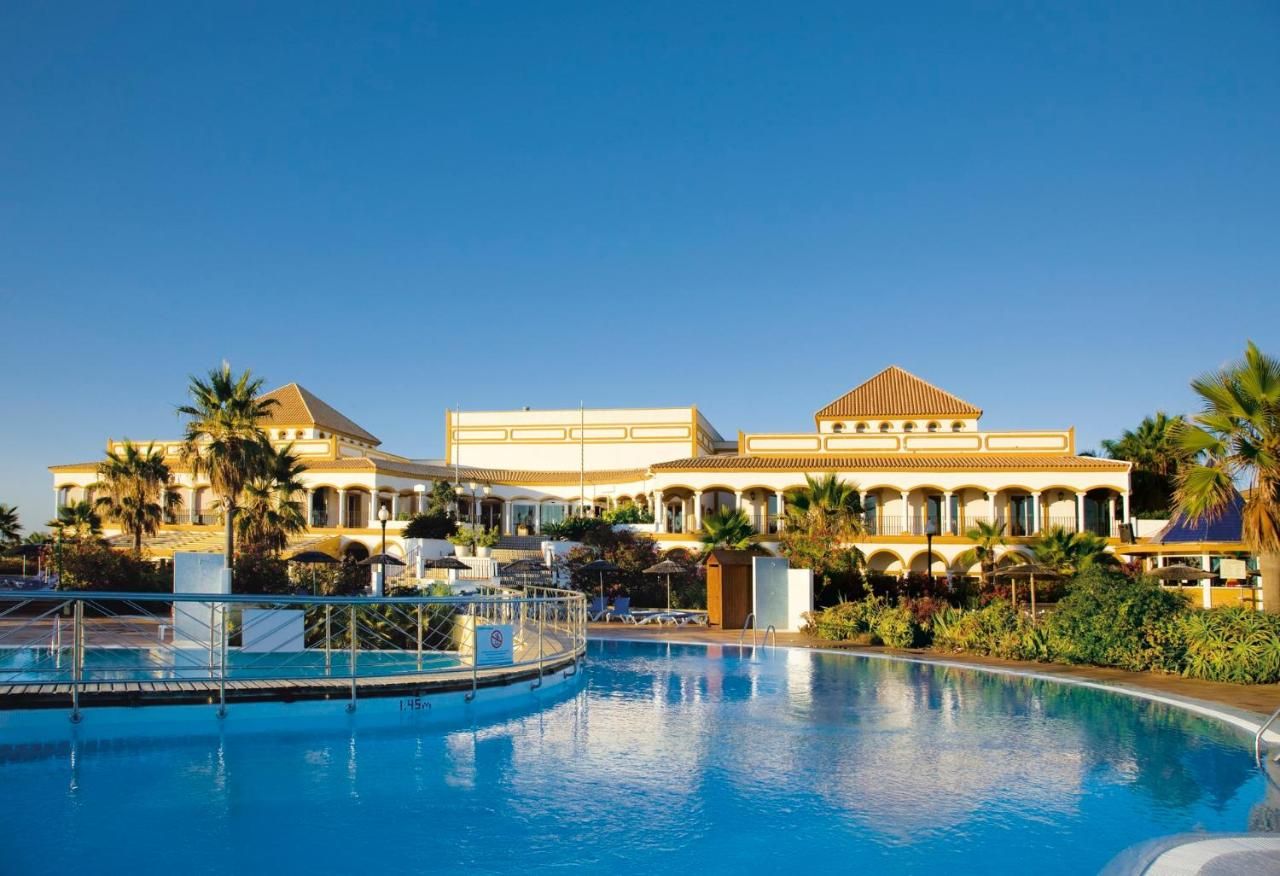
Alegria Costa Ballena combines a child pool, kids’ club and evening entertainment with dining, fitness classes and practical services. Its broad family facilities make it a flexible hotel base in Rota, Andalucía.

Read hotel guide
Alegria Fénix Family, Roquetas de Mar

Alegria Fénix Family, Roquetas de Mar

Alegria Fénix Family brings together a child pool, kids’ club, play spaces and evening entertainment in Roquetas de Mar. Family rooms, available cots and practical arrival services round out a hotel designed…

Read hotel guide