Skip to content

Italy

The art of finding somewhere wonderful.

Video by Nirjhar Basak on Pexels

Country guide

Discover Italy.

Italy changes character repeatedly on the journey from the Alps to the southern tip of the peninsula. Mountain valleys and northern lakes give way to historic cities, cultivated hills, coastal settlements and eventually the islands of Sicily and Sardinia. The country’s regional differences are visible not only in scenery but in buildings, food, local traditions and the pace of everyday life. Choosing where to travel is therefore as much about the kind of place you want to understand as the landmarks you hope to see.

The Alpine north and the lakes

At the country’s northern edge, the Aosta Valley places castles and settlements among high Alpine peaks. Piedmont brings a different combination of mountain country, wine-producing hills and elegant urban centres. In Lombardy, Milan’s metropolitan character exists alongside the lakes and mountain landscapes of the north. Veneto combines historic cities, including Venice and Verona, with Lake Garda and the Dolomites, making it possible to encounter remarkably different settings within one part of Italy.

These northern regions show how Italian travel is shaped by terrain. A lakeside town, a mountain valley and an old commercial city are linked by history and geography, yet offer different ways to spend a day. Routes through the north reward a little space for smaller places, not simply a succession of city stops.

Historic cities and the central regions

In central Italy, Tuscany is associated with cities of art, cultivated landscapes and longstanding food traditions. Umbria has wooded hills, lakes, rivers and settlements with important religious and civic histories. Lazio contains Rome, but also stretches towards the coast and into upland country. The contrasts matter: monumental urban history is one strand of central Italy, while smaller towns, rural architecture and working landscapes tell others.

Along the Adriatic side, regions such as Marche and Abruzzo add another perspective. Abruzzo’s mountain country rises within reach of the sea, illustrating how coast and high ground can belong to the same regional story. An itinerary that treats the centre of the country as more than a route between major cities has room for these shifts in landscape.

The southern mainland and the islands

Campania’s cultural inheritance and coastline sit alongside inland settlements and agricultural traditions. Puglia is known for historic structures such as the trulli and Castel del Monte, as well as long coastal stretches. Basilicata moves between mountains and two seas, while Calabria’s terrain brings high ground close to the shoreline at the foot of the peninsula.

Sicily and Sardinia broaden the journey still further. Sicily combines hills, mountains, coastal towns and layers of historic settlement; Sardinia brings its own archaeological traditions, rocky landscapes and island communities. Neither should be treated as simply another beach destination. Together, Italy’s regions make a strong case for travelling with regional curiosity: the country is connected by a shared identity, but its most revealing details are often local.
When to visit Italy.

Historical average temperatures through the year for Rome (representative city, not a national average). Use these as a guide when deciding when to travel, rather than as a forecast.

Jan7°C
Feb8°C
Mar10°C
Apr14°C
May18°C
Jun23°C
Jul26°C
Aug26°C
Sep21°C
Oct17°C
Nov12°C
Dec8°C

Historical mean air temperature: NASA POWER. Readings describe the stated reference location, not every part of the destination.

A destination can feel very different from one season to the next. Consider the weather alongside local activities, school holidays and how busy you would like your trip to be.

Explore Italy on the map.

Explore the location and surrounding places before choosing where to stay. This is an orientation map centred on Rome (representative city, not a national average), not a map of official administrative boundaries.

Map data © OpenStreetMap contributors. View larger map.

Hotel guides in Italy.

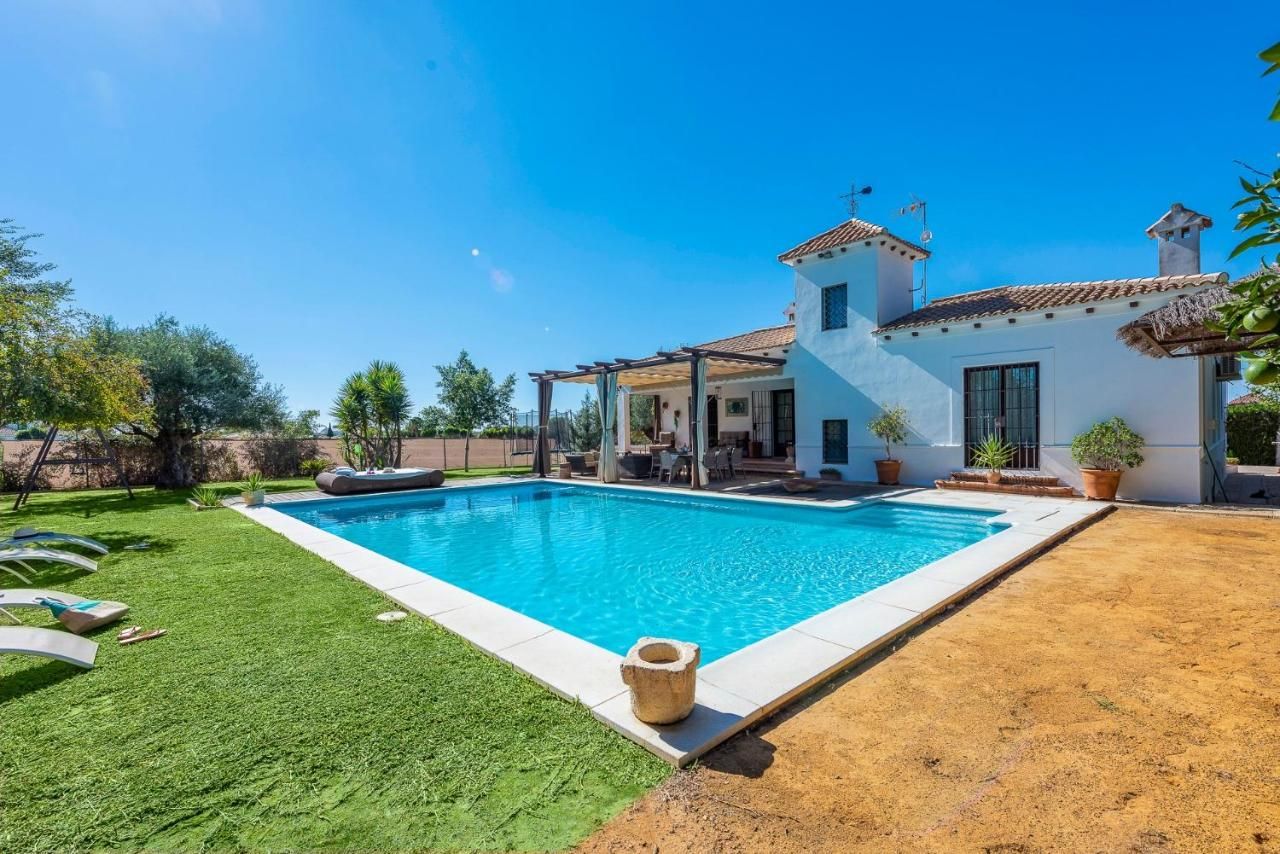
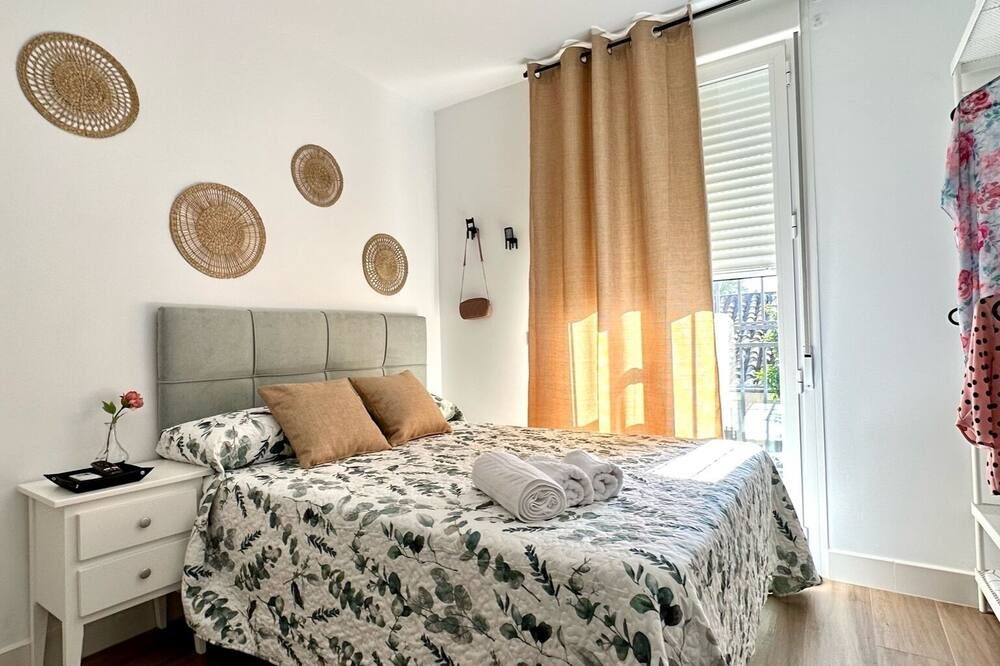
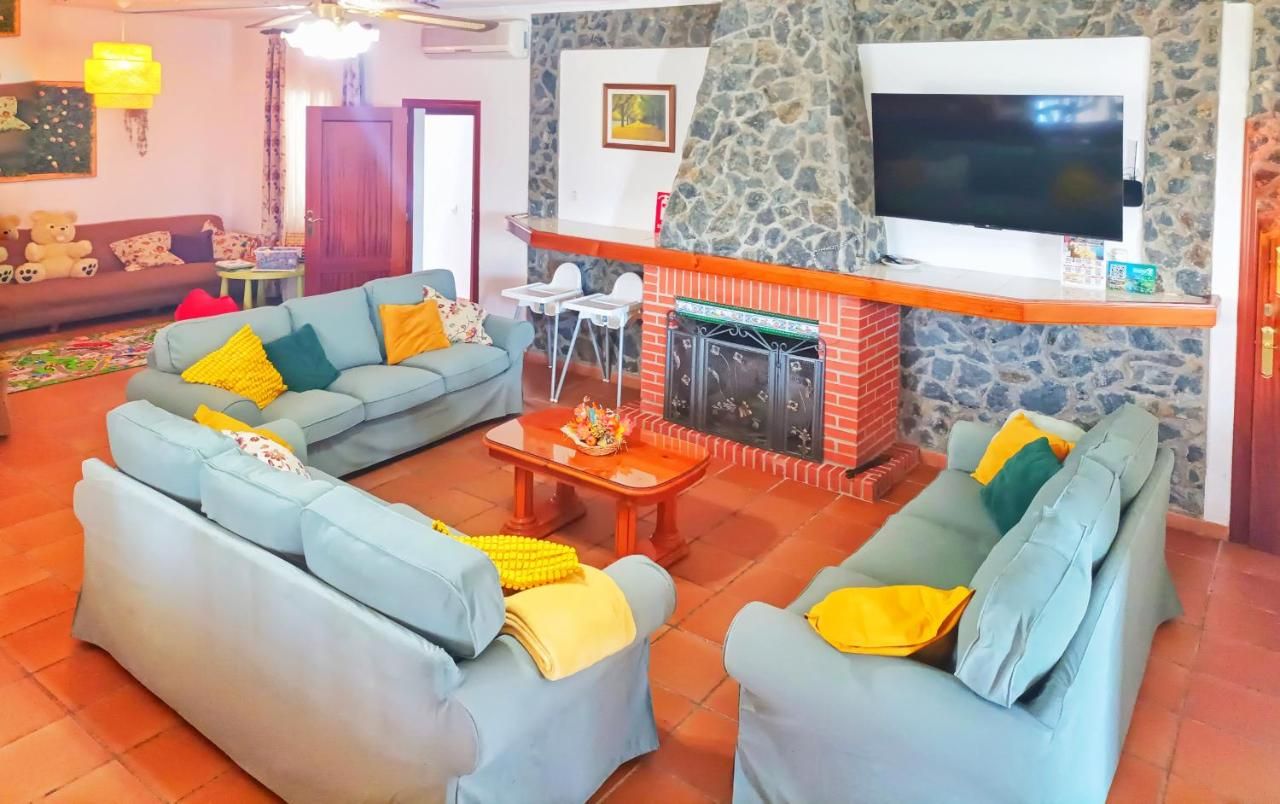
Casa Rural El Olmo, Posadas

Casa Rural El Olmo, Posadas

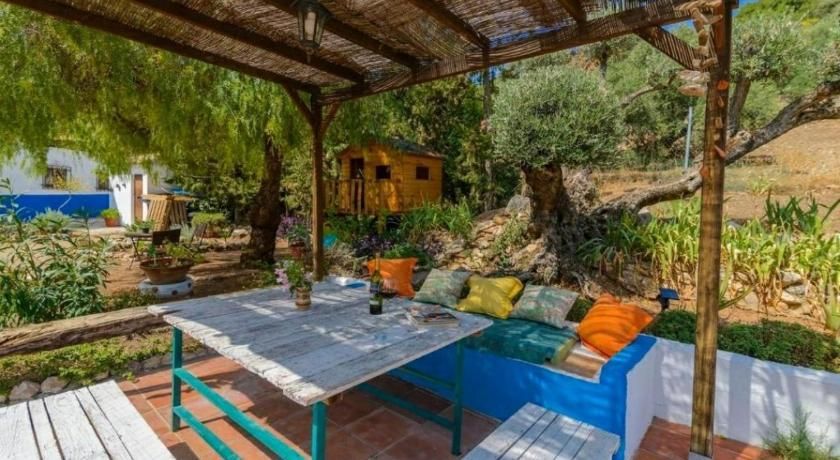
A ground-floor rural home in Posadas, Casa Rural El Olmo combines wheelchair access and accessible parking with a kitchen, garden and thoughtful facilities for families with children. There is also a living…

Read hotel guide
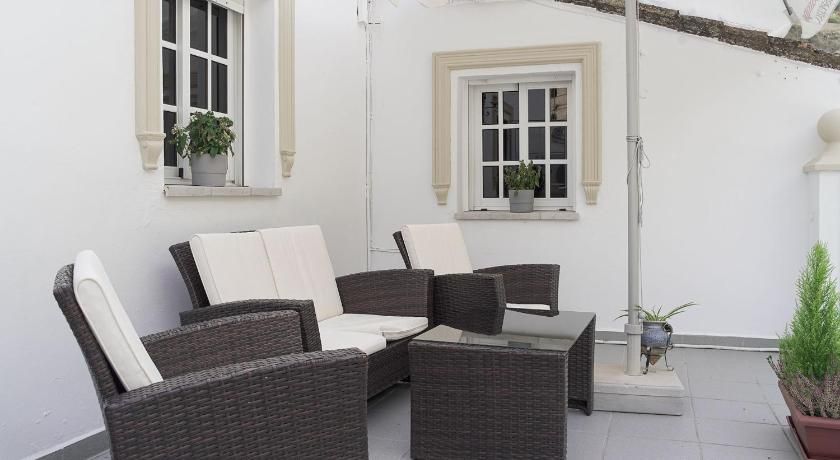
Casa Rural El Paseo Del Libro, Sabiote

Casa Rural El Paseo Del Libro, Sabiote

Casa Rural El Paseo Del Libro combines a private entrance, self-catering facilities and a wheelchair-accessible ground-floor layout in Sabiote. Family provisions, a balcony and daily housekeeping add practical detail to a stay…

Read hotel guide
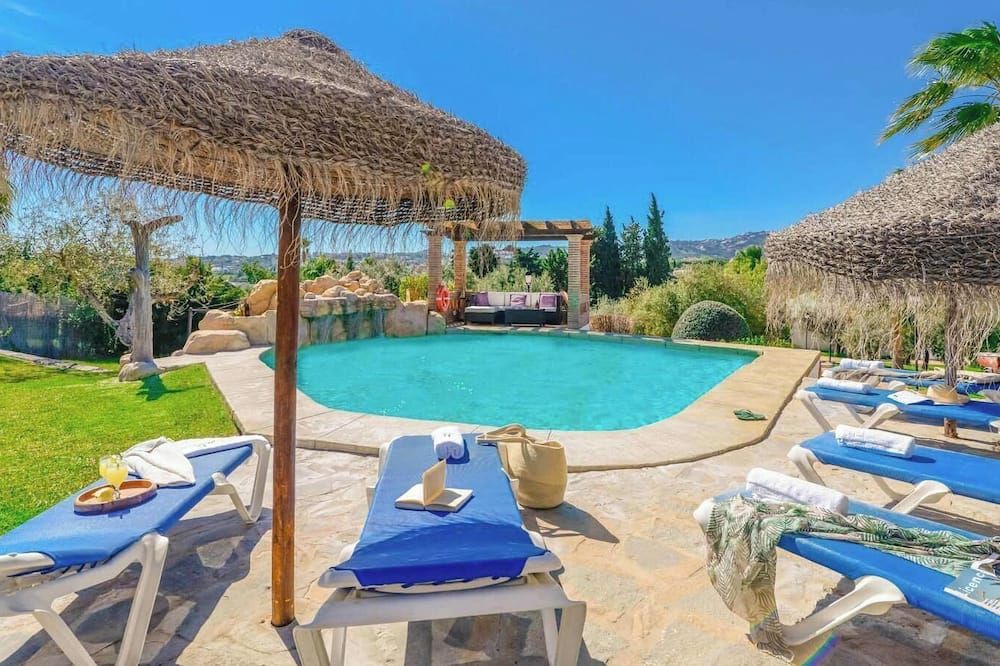
Casa Rural El Porton De Galera

Casa Rural El Porton De Galera

With indoor, outdoor and private pools, a fully equipped kitchen and family-friendly provisions, Casa Rural El Porton De Galera offers an independent stay in Galera. Its wider setting brings hills, river valleys…

Read hotel guide
Casa Rural El Solarillo, Cazorla

Casa Rural El Solarillo, Cazorla

With a full kitchen, fireplace, balcony and terrace, Casa Rural El Solarillo offers an independent home base in Cazorla. Its varied town, mountain and river outlooks complement a stay shaped around cooking,…

Read hotel guide
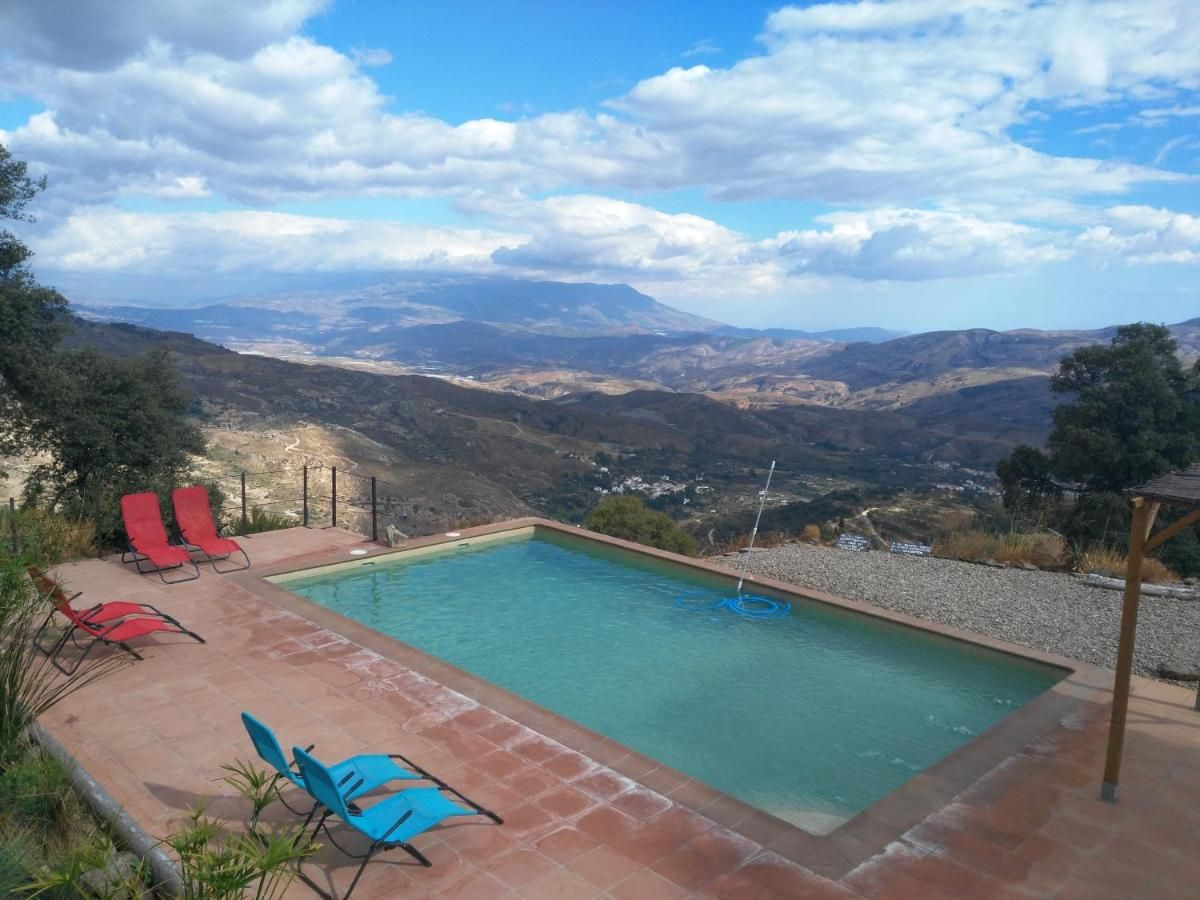
Casa Rural La Encina 2, Lanjarón

Casa Rural La Encina 2, Lanjarón

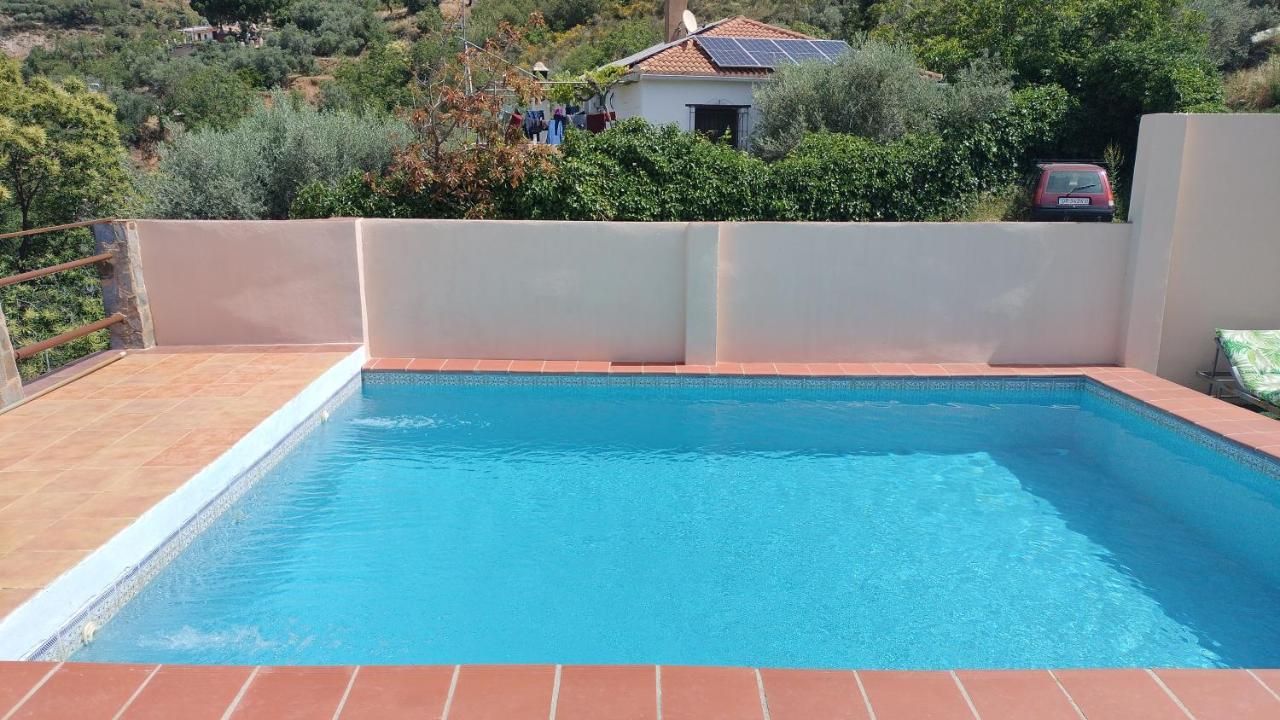
With a private pool, open-air bath, kitchen and garden, Casa Rural La Encina 2 offers an independent house stay in Lanjarón. Its self-catering facilities and the town’s long spa tradition make different…

Read hotel guide
Casa Rural la Joya, Iznájar

Casa Rural la Joya, Iznájar

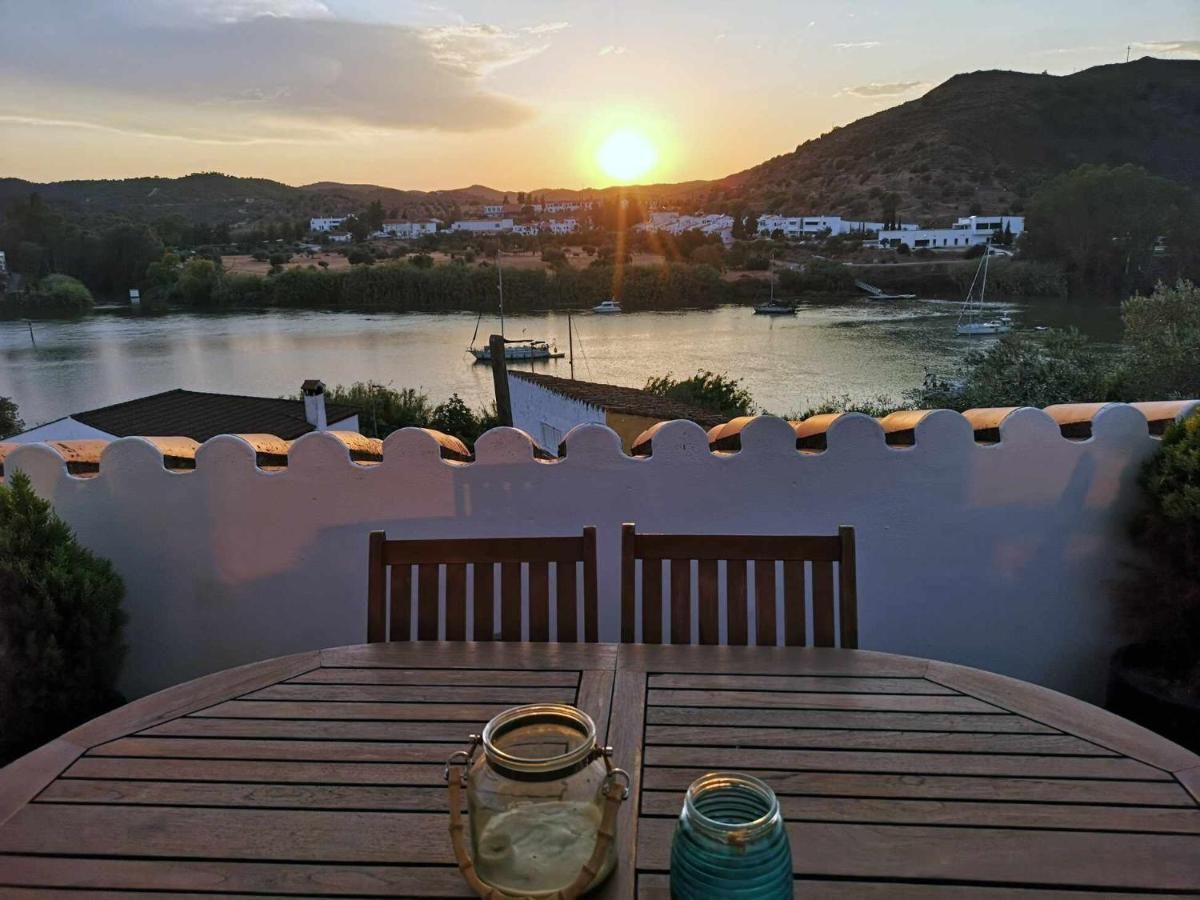
Casa Rural la Joya pairs a detached, self-catering stay in Iznájar with a pool, garden and views spanning lake, mountains and a landmark. Family provisions and outdoor activity options add flexibility for…

Read hotel guide
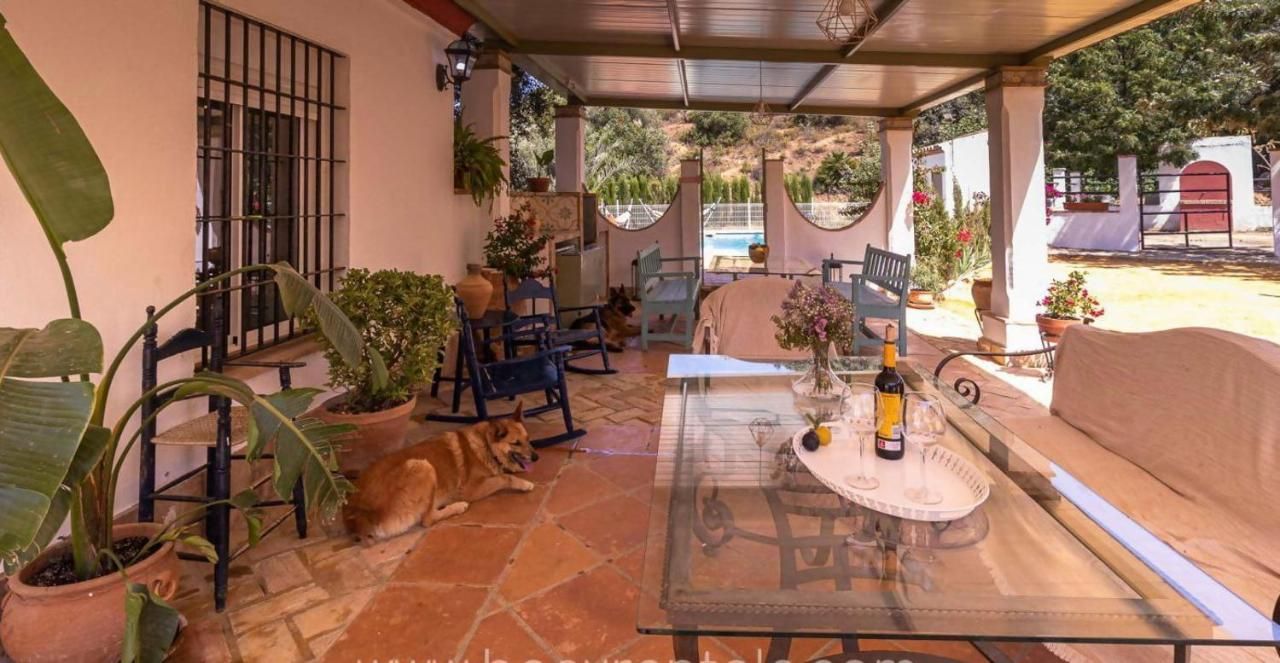
Casa Rural La Teja, Marchena

Casa Rural La Teja, Marchena

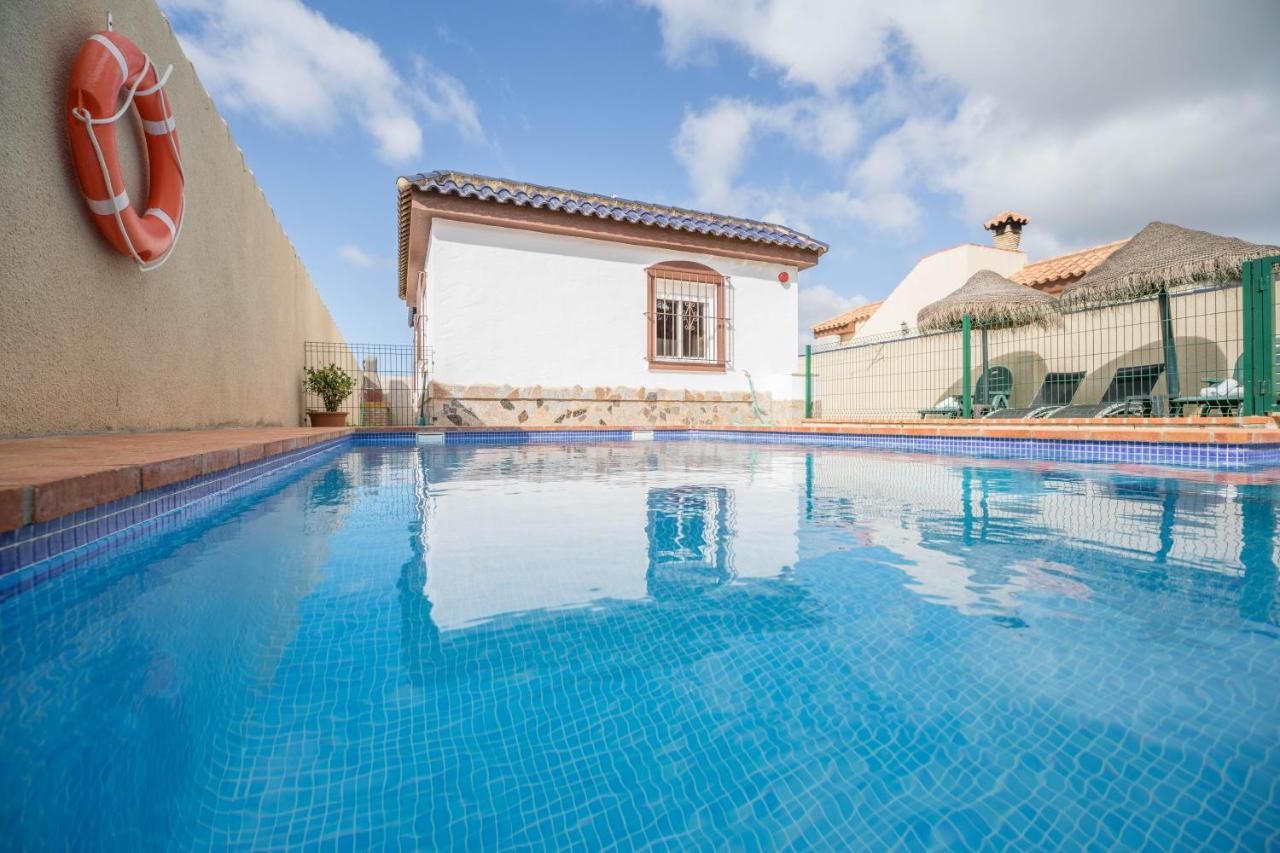
Family provisions include a playground, high chair and available cribs. Its defining combination is practical independence with outdoor space: a kitchen, private entrance, terrace or patio, garden and private pool make the…

Read hotel guide
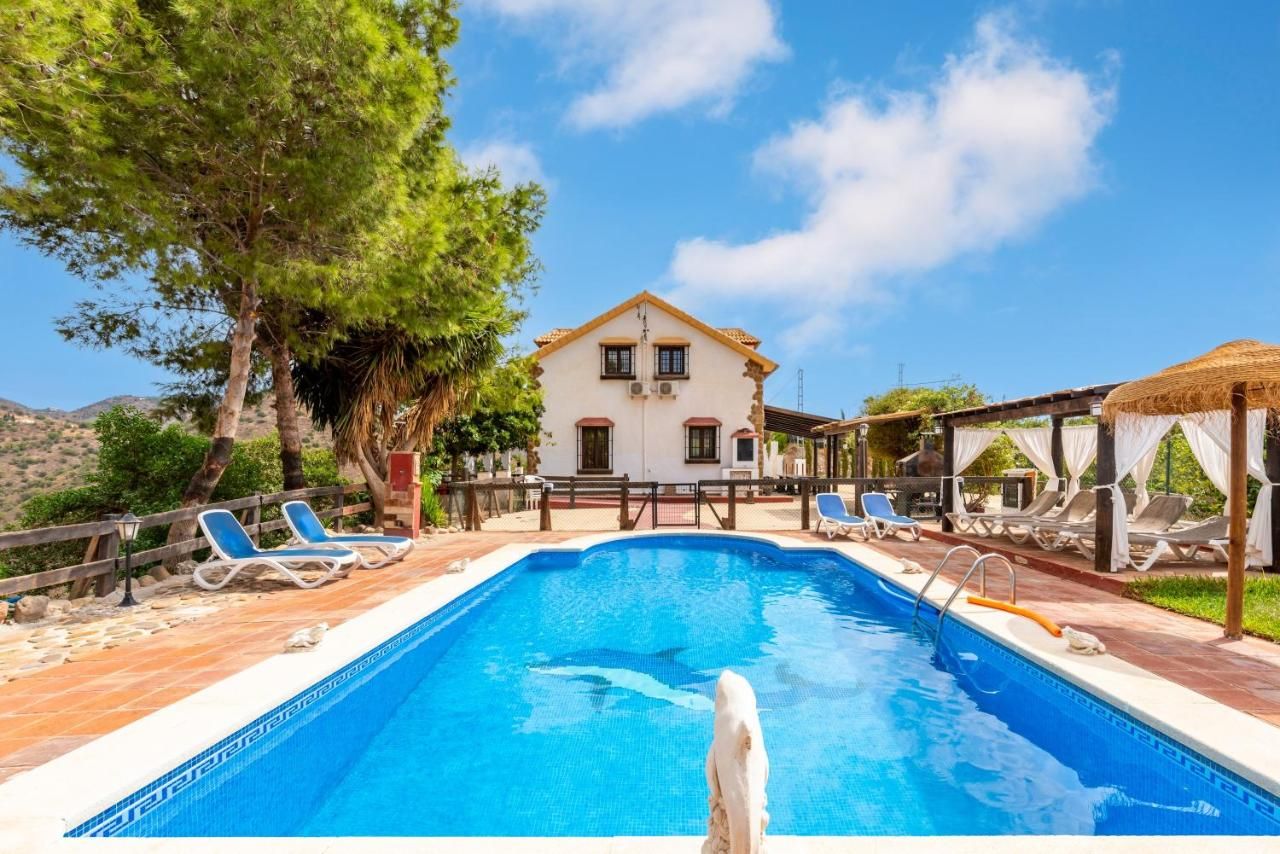
Casa Rural Loma El Letrao, Almogía

Casa Rural Loma El Letrao, Almogía

A self-catering country house in Almogía with a private pool, garden and terrace, Casa Rural Loma El Letrao combines a well-equipped kitchen and practical comforts with mountain, lake and sea views in…

Read hotel guide
Casa Rural San Antonio, Cabra

Casa Rural San Antonio, Cabra

Casa Rural San Antonio pairs a ground-floor, wheelchair-accessible layout with a kitchen, garden and outdoor pool in Cabra. Family provisions, free parking and the freedom to dine outdoors make this self-contained rural…

Read hotel guide
Casa San José, Palma del Río

Casa San José, Palma del Río

Casa San José pairs a three-star hotel framework in Palma del Río with an outdoor pool, plunge pool, open-air bath and garden. A library and round-the-clock reception add quieter and practical dimensions…

Read hotel guide
Casa Secunda Romar, Córdoba

Casa Secunda Romar, Córdoba

Casa Secunda Romar offers a practical Córdoba base with a kitchen, dining area and laundry facilities. Its self-catering essentials make day-to-day routines easier, while the city’s inward-facing historic houses provide a wider…

Read hotel guide