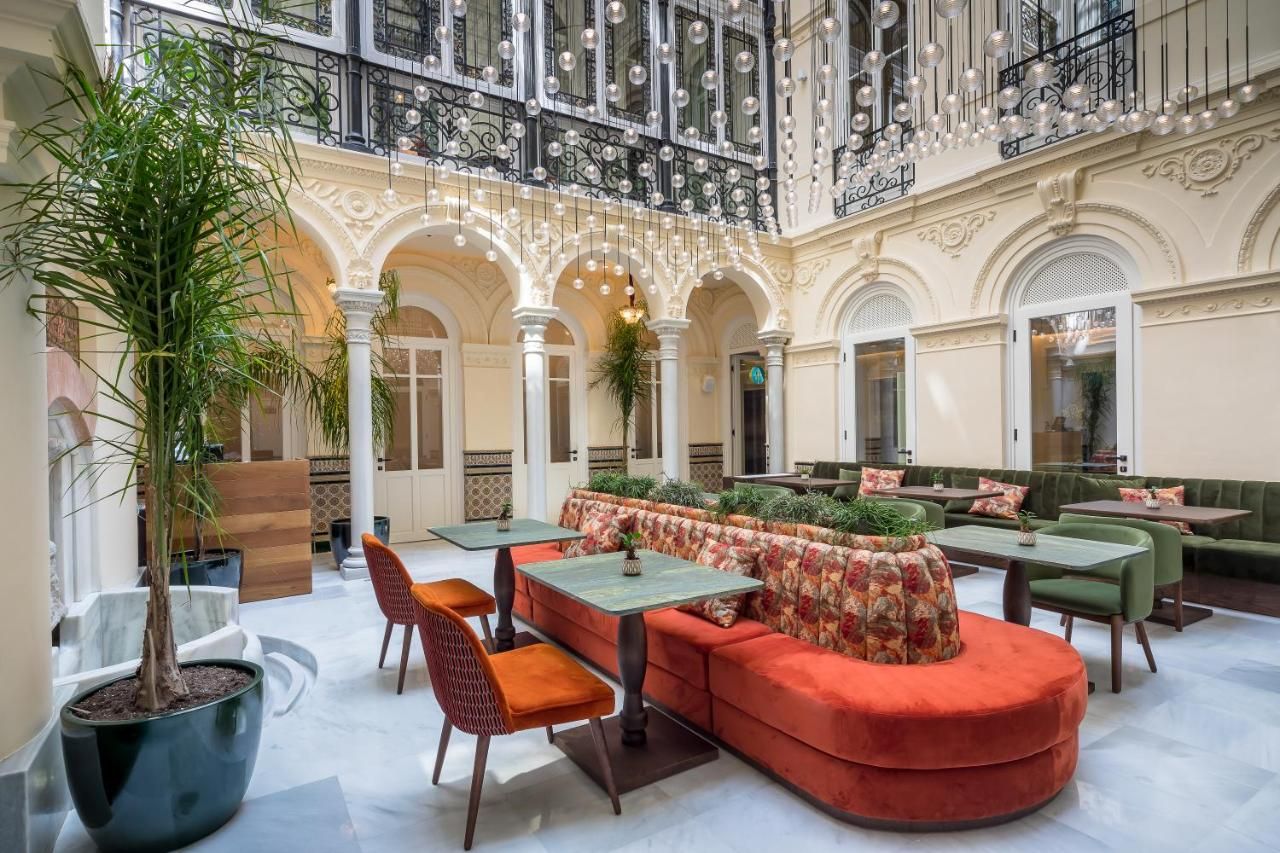
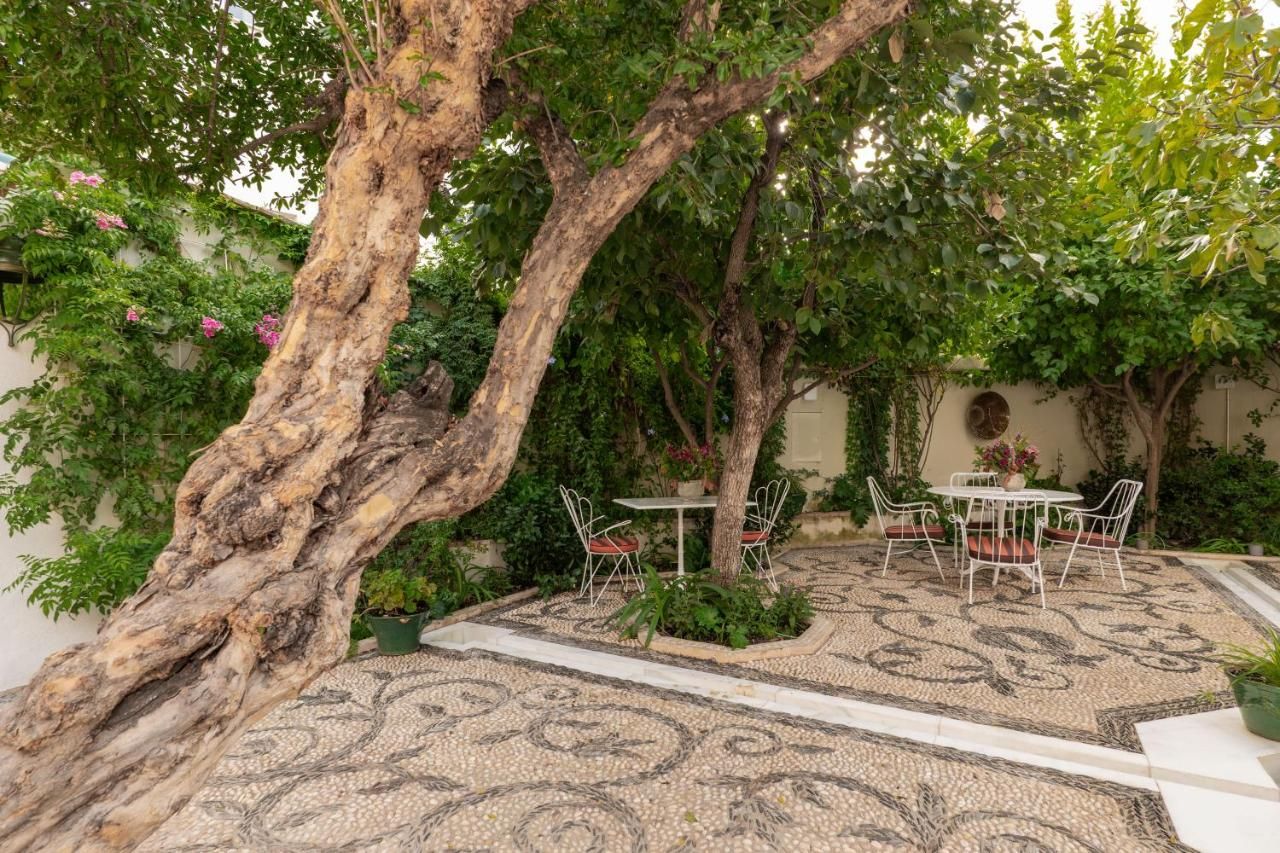
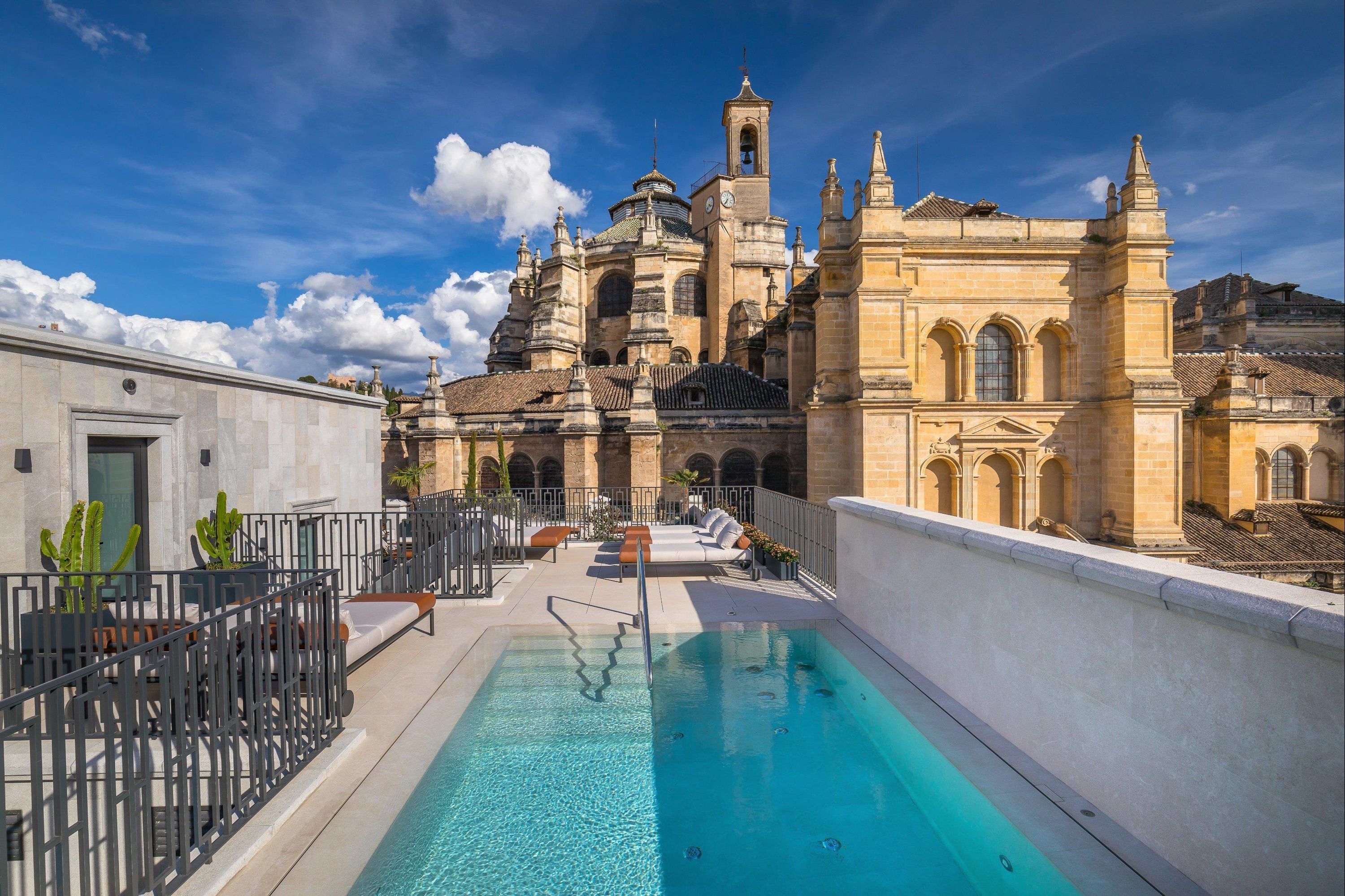
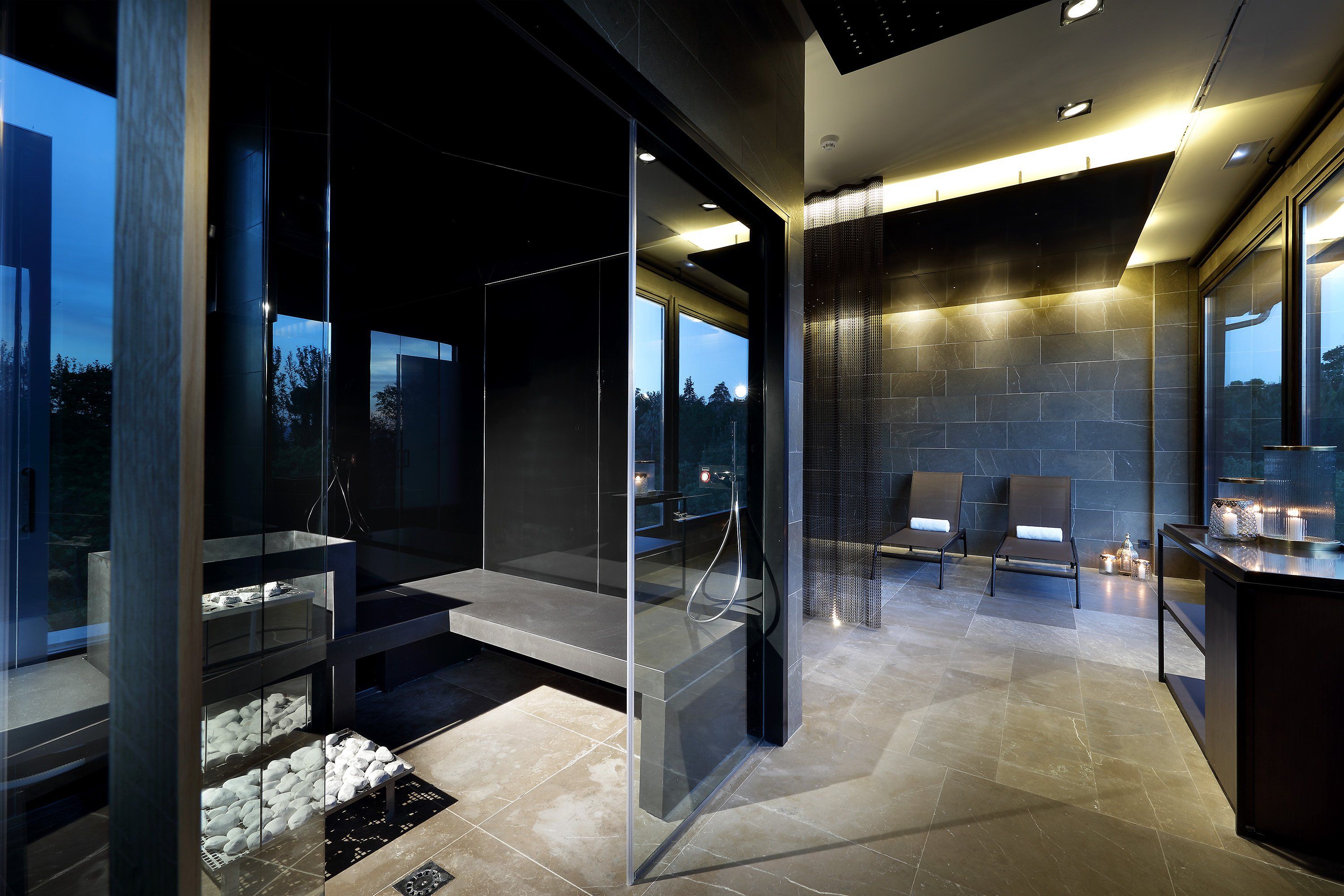
Palacio Mariana Pineda Hotel – Museo S.XVII is a four-star hotel on Granada’s Carrera del Darro, with a name that signals a more historic identity than a standard city stay. Its address places the accommodation on one of the city’s defining streets, while the hotel’s listed facilities offer practical comforts for a visit shaped around Granada rather than an all-day resort programme.
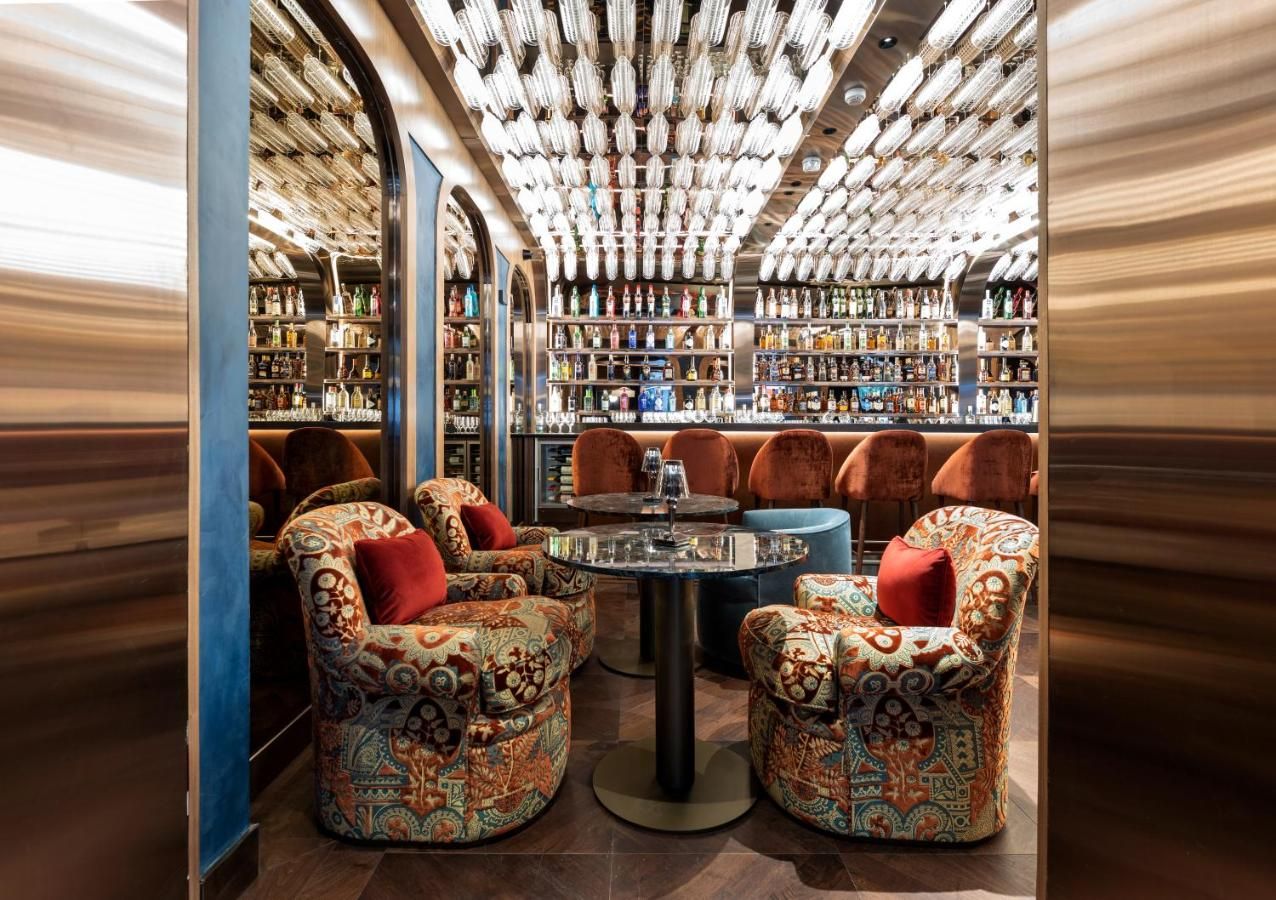
The “Museo S.XVII” name gives the property a particular sense of character, though the useful point for choosing a room is the combination of central-city context and hotel services. Air conditioning, free Wi-Fi and a 24-hour front desk cover everyday needs; a concierge, bar and continental breakfast add options without requiring every part of the stay to be planned in advance. Breakfast can also be served in the room.
A city hotel with thoughtful room options
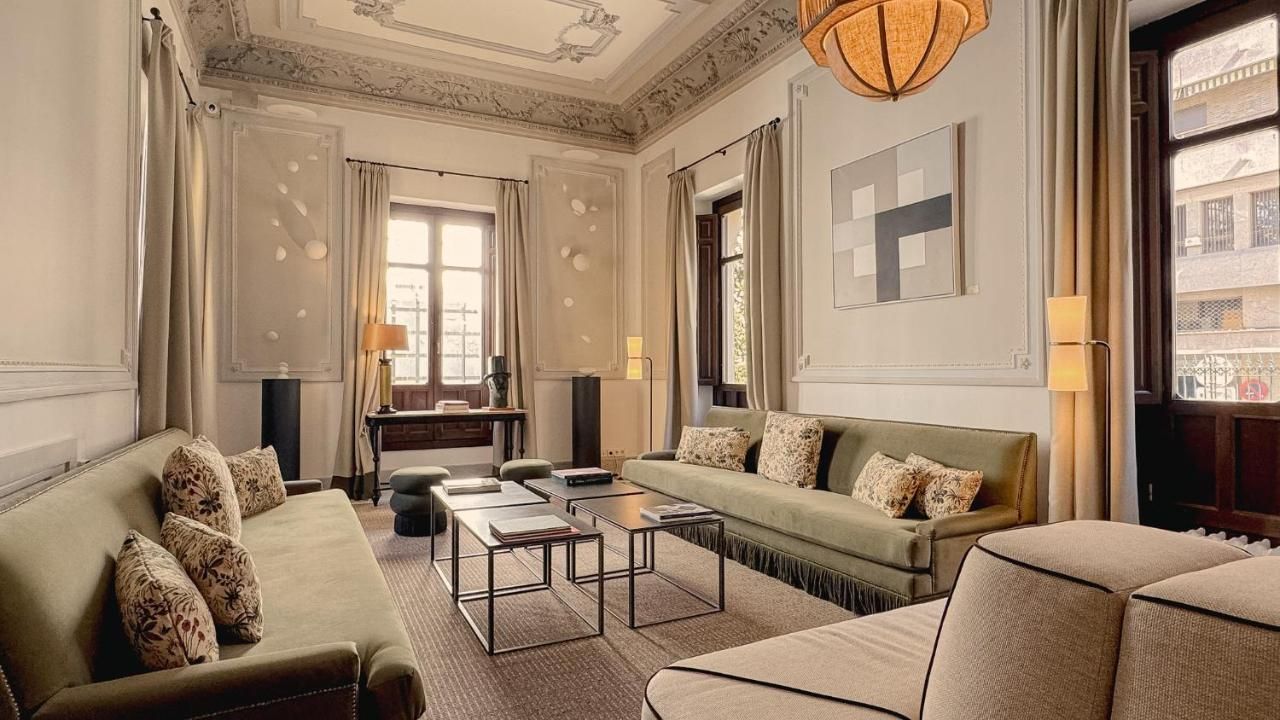
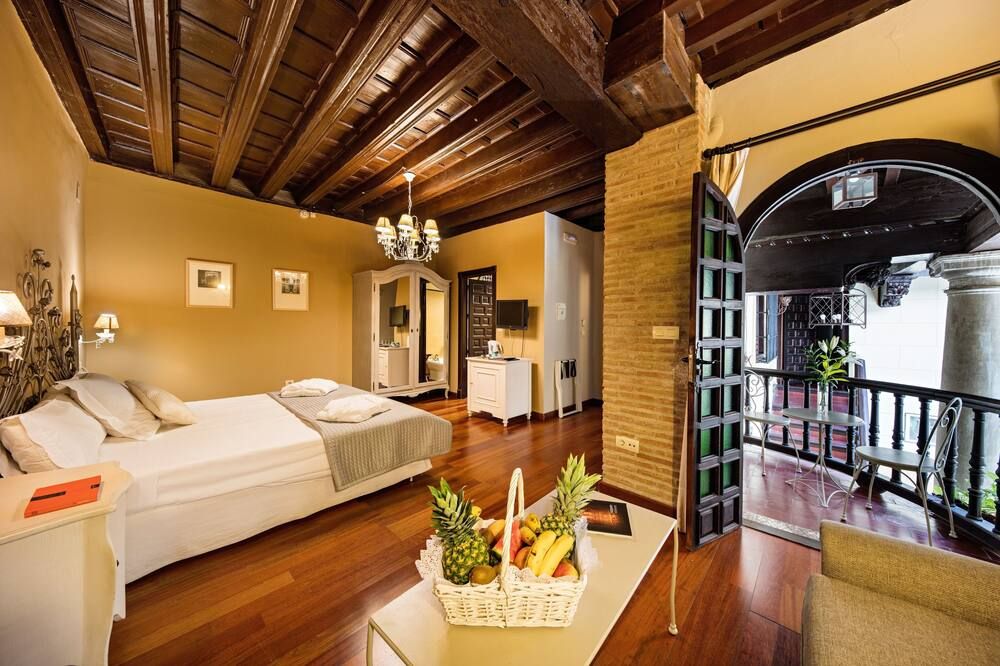
Room features vary across the listing, but the range includes balconies, city or landmark views, coffee machines and bathtubs. Family rooms and interconnected rooms provide flexibility for different party sizes, while allergy-free rooms are another consideration for guests choosing accommodation. A library, executive lounge access and business facilities broaden the hotel’s appeal beyond a brief sightseeing stop.
There are useful details for a longer or more involved visit, too: daily housekeeping, laundry facilities, bicycle rental and car rental are among the available services. Babysitting and child services are listed for an additional charge. Check-in is from 14.00 and checkout is by 12.00, giving the stay a clear, conventional timetable.
Climate throughout the year
Historical average monthly air temperatures near this hotel, not a live forecast.
Historical monthly mean air temperature (NASA POWER climatology). Approximate area conditions, not a forecast. Source: NASA POWER.
Granada’s Darro-side street life
The hotel’s address is on Carrera del Darro, a street that follows the river between the Albaicín and the Alhambra, linking Plaza Nueva with Paseo de los Tristes. That setting offers a helpful way to understand Granada’s urban character: the city’s landmarks and neighbourhoods are not separate chapters, but part of a closely layered landscape. The river once ran through the medieval city, crossed by bridges including the Arab Puente del Cadí.
The Alhambra itself combines structures from different periods. Its origins as a refuge date to the ninth century; it became a royal residence under the Nasrid dynasty, whose rulers developed much of the complex seen today. Later Christian buildings, including the Palace of Charles V, add another architectural layer. The result is a city where history is encountered not only in major monuments but in the shape of streets and the relationships between old quarters.
Granada’s living traditions add a different register. The Sacromonte is associated with the zambra, a form of flamenco linked to the neighbourhood’s Roma community and its blend of artistic influences. It is a reminder that the city’s identity remains cultural as well as architectural. For a stay at Palacio Mariana Pineda, the practical attraction is having hotel services and room choices within a street whose name already opens onto that wider story.
Location
Carrera Del Darro 9
Map data © OpenStreetMap contributors. View larger map