Portugal is shaped by its relationship with the Atlantic, but its regions offer considerably more than a coastline. Historic cities, inland agricultural landscapes, southern towns and two island groups give the country distinct geographical and cultural layers. Porto and Lisbon provide different urban starting points, while the Alentejo and Algarve suggest very different kinds of journey. A useful approach is to consider these regional settings separately rather than treat Portugal as one continuous seaside holiday.
North, centre and the Lisbon coast
Porto and the North bring together a major historic city and a wider northern landscape of towns, rivers and rural districts. In Centro de Portugal, the choice extends from inland settlements to the coast, with opportunities for outdoor travel as well as cultural exploration. The country does not become uniform as one moves south: the Lisbon region has its own urban and coastal character, including places such as Cascais, Estoril and Sesimbra alongside the capital.
These parts of Portugal help explain why historic buildings, regional food and everyday town life are as important to a visit as a particular viewpoint. A traveller exploring one area carefully is likely to encounter a more coherent sense of place than someone selecting destinations solely because they are famous.
The quieter inland south and the Algarve
The Alentejo introduces another side of Portugal, with historic inland settlements including Évora, Beja and Elvas. Its cultural identity includes Cante Alentejano, a choral singing tradition recognised by UNESCO as intangible cultural heritage in 2014. That is a revealing example of regional culture living beyond monuments and museums: traditions are carried by communities as well as preserved in buildings.
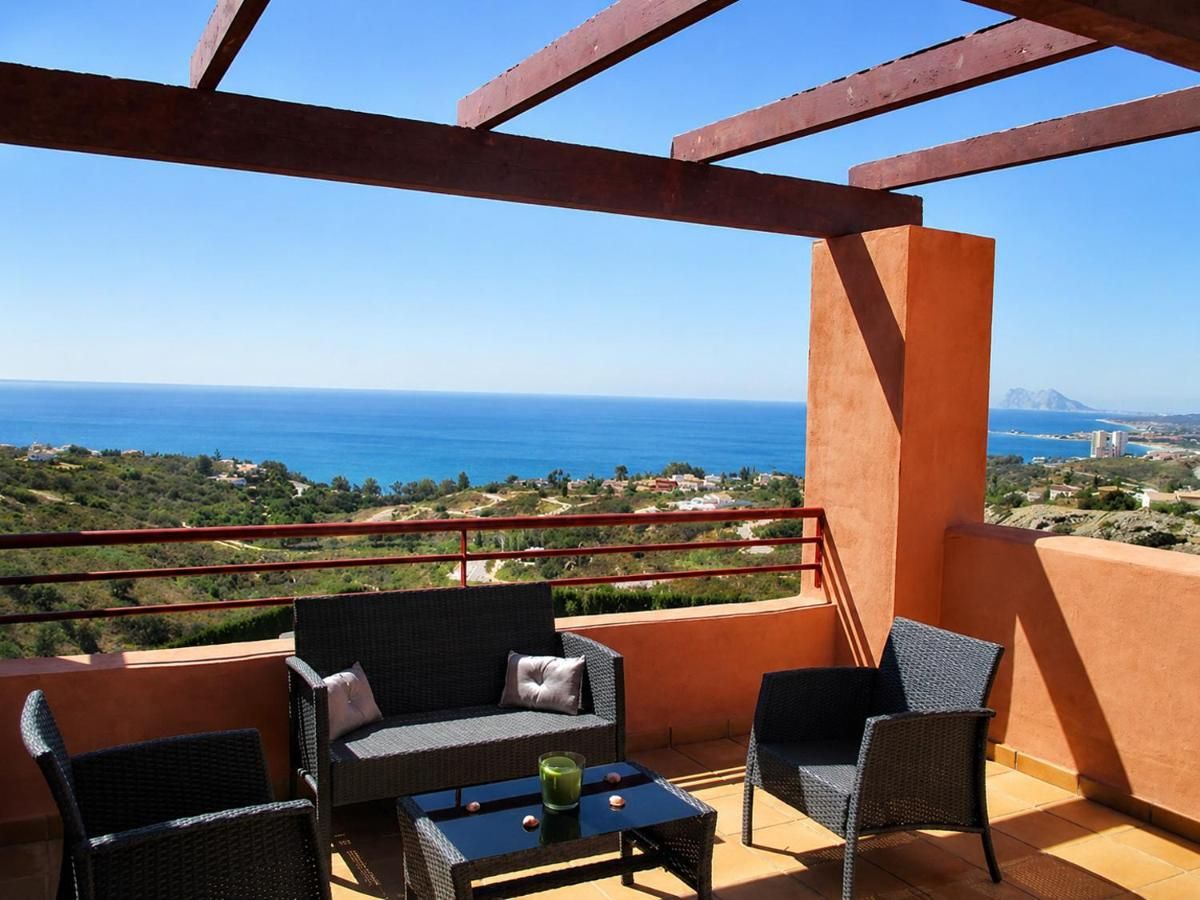
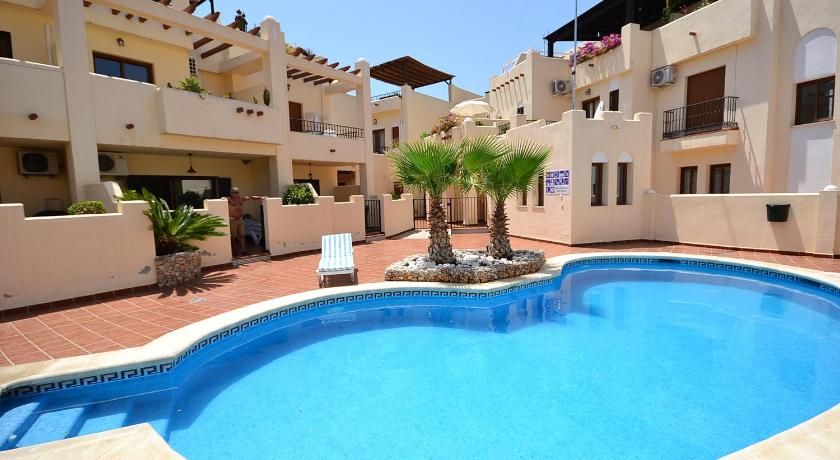
Further south, the Algarve is associated with a varied coastline and towns such as Faro, Lagos, Silves, Tavira and Albufeira. Their different settings and histories reward more specific attention than the word ‘resort’ alone can provide. Coastal visits can be combined with an interest in local architecture, historic centres and the settlements that developed away from the busiest stretches of shore.
Atlantic islands, two different landscapes
Madeira and the Azores extend Portugal far into the Atlantic, but they are far from identical. Madeira is known for abundant vegetation and a mix of Mediterranean and subtropical plant life. The Azores form a nine-island archipelago with a strongly volcanic geological character. These features shape the experience of their landscapes and distinguish the islands from mainland regions and from one another.
For travellers planning a first Portuguese journey, the key choice is not simply city or beach. There is mainland heritage, inland regional culture, southern coastal life and island nature to consider. Holidaymate’s country introduction sets out those contrasts; individual regional and town guides can add the more detailed local stories as coverage develops.