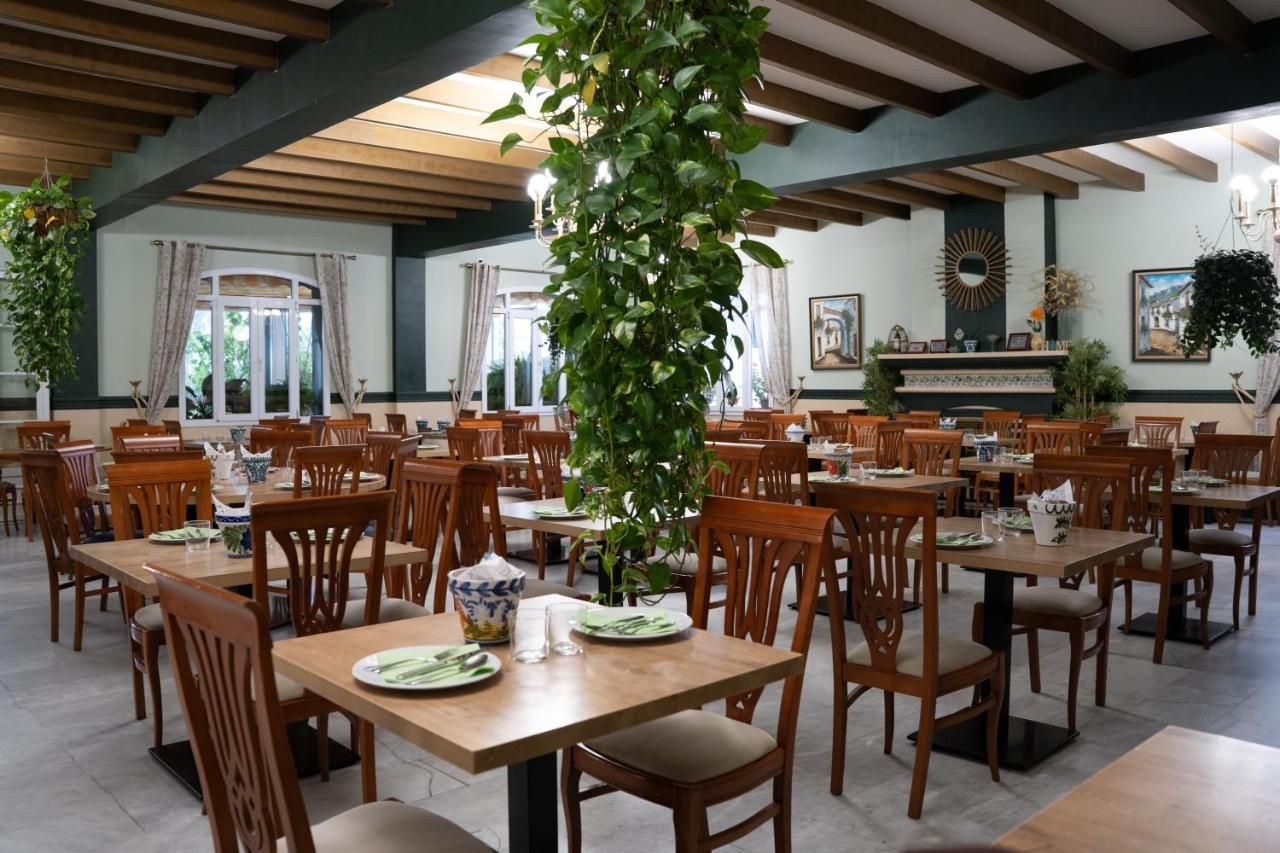
La Palmosa, Alcalá de los Gazules
La Palmosa is a three-star hotel on the A-381 in Alcalá de los Gazules, with free and accessible parking, EV charging, a restaurant and 24-hour reception. Its practical roadside offer sits within…
Read hotel guideThe art of finding somewhere wonderful.
Video by Nirjhar Basak on Pexels
Alcalá de los Gazules is a town whose shape still follows the logic of its fortified past. Its older settlement occupied the Cerro de la Coracha, clustered around a castle on the summit and extending down the hollow of what is now Plaza de San Jorge. From there, streets and former gateways traced routes out of the walled hilltop; later, as the fortress lost its defensive role, the town spread into lower ground. The result is a place where the outline of an earlier settlement remains legible within the present-day town.
The castle is the most striking remnant of the fortification. Built in the Almohad period and altered after the Christian conquest, it once combined a principal tower with rooms, stores, stables and enclosing walls. Excavations in 2003 revealed features including an internal staircase, a central dividing wall and a seventeenth-century paved floor. The surviving fabric is only part of the former complex: the French occupation in the early nineteenth century was followed by the destruction of walls and other buildings, leaving the principal tower and fragments of the enclosure.
Elsewhere, traces of the town wall are woven into the streets rather than set apart from them. Remains of towers and masonry appear beside houses and terraces around the hill. The Puerta de la Villa is especially evocative: its surviving elements include the former entrance plan, approached by a double ramp, and the coat of arms that once marked the gateway. The route of Calle Real began here, following the curve of the hill towards natural exits from the settlement. These details make a walk through the old centre a way of reading the town’s growth, not simply a passage between monuments.
Near the old gateway, the Casa del Cabildo offers a different architectural chapter. This sixteenth-century civic building combines the restrained solidity of Spanish Renaissance design with a façade arranged in distinct tiers. Its ground floor incorporates the arch and vaults of the former Puerta Nueva; the building was remodelled in the eighteenth century and now houses the office of the Alcornocales Natural Park.
The former Convent of Santo Domingo adds another layer. Founded in the early sixteenth century by the Enríquez de Ribera family, it was built in a late Gothic style. After the convent was disentailed in 1836, part of the complex became housing, while the church continued in religious use into the early twentieth century. It is now municipal property and has been adapted as a cultural centre.
Archaeological traces extend the story beyond the historic core. At the Laja de los Hierros, a broad sloping rock bears an extensive collection of engravings, including geometric forms, crosses and human figures; some crosses have been dated to the fourteenth century. Together with the Roman water deposits on the slope of the Cerro de la Coracha, it hints at how much of Alcalá’s past is preserved not in a single grand landmark but across its terrain and built fabric.
La Palmosa is a three-star hotel on the A-381 in Alcalá de los Gazules, with free and accessible parking, EV charging, a restaurant and 24-hour reception. Its practical roadside offer sits within…
Read hotel guide