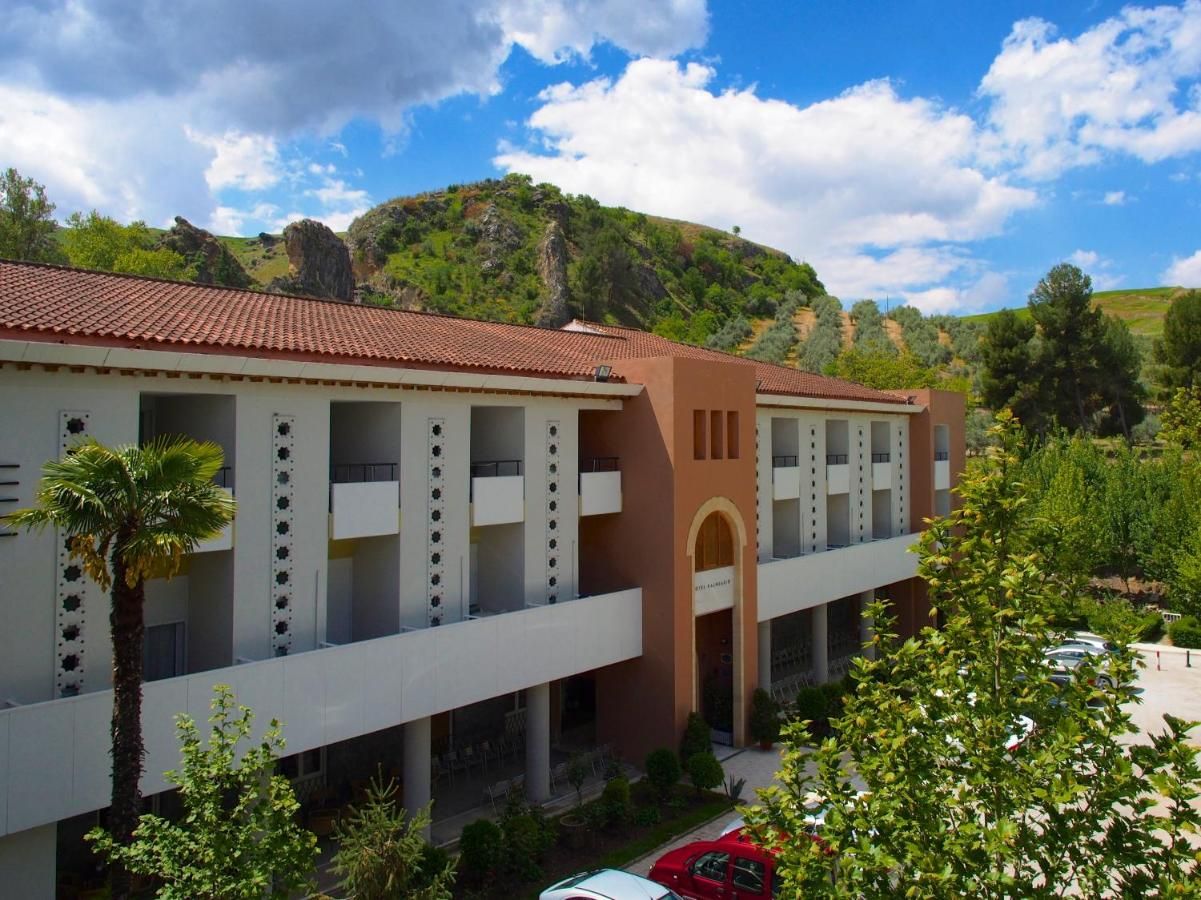
Balneario Alhama de Granada
A three-star hotel in Alhama de Granada with hot spring bathing, a hammam, steam room and outdoor pool. Family facilities, on-site dining and free parking round out a stay centred on restorative…
Read hotel guideThe art of finding somewhere wonderful.
Video by Nirjhar Basak on Pexels
Alhama de Granada is a town shaped by a dramatic meeting of stone, water and successive layers of settlement. Its historic centre occupies the left bank of the River Alhama, arranged along a ridge beneath the site of the former Arab castle. To the east and south-east, the ground breaks into the steep-sided limestone gorge known as the Tajos. Here the landscape is not a backdrop to the town: it helps explain its form, from the defensive position of the old settlement to the sharply descending streets at its edge.
The old centre has a distinctive two-part character. Below the church, the former Jewish quarter is a close-knit network of narrow, irregular lanes, with an old entrance arch still recorded among its features. By contrast, the later streets developed towards the south-west in longer, straighter lines. The contrast remains legible in the town’s layout, while palaces and houses with heraldic façades add evidence of the families who shaped its built fabric. Walking through these different street patterns offers a more revealing introduction than treating the historic centre as a single, uniform ensemble.
The Iglesia Mayor de Santa María de la Encarnación belongs to the town’s earlier monumental history. Begun at the end of the fifteenth century and into the sixteenth, it has a broad, single-nave Gothic structure, with ribbed star vaults and substantial exterior buttresses. Renaissance additions, including the choir, upper sections of the tower and the south doorway, show how the building developed beyond its original design.
A different architectural mood appears at the Patio e Iglesia del Carmen, once a convent of Discalced Carmelites. Its rectangular church has a timber-framed roof and a dome over the crossing, decorated with frescoes. The chapel behind the high altar and the chapel of Jesús Nazareno are noted examples of eighteenth-century Granadan Churrigueresque Baroque. Together, these churches make Alhama’s historic centre a place to notice changes in style as well as the buildings themselves.
Other landmarks reward attention for their quieter details. The Casa de la Inquisición, a fifteenth-century Gothic-flamboyant building associated with the regional Inquisition court, has a stone façade that bridges late Gothic and early Renaissance forms. It is privately owned and its interior is not open to visitors, so its character is best appreciated from the street. Near the Tajos, a historic house on Calle Llana combines a stone entrance, a prominent balcony and a row of seven arches on its upper level.
Alhama’s appeal lies in this close relationship between urban fabric and rugged ground: a town of winding lower lanes, more regular upper streets, churches shaped across centuries and a limestone edge that remains central to its identity. Look beyond individual monuments and the town’s structure becomes the story—settlement gathered along a ridge, then opening towards the abrupt cut of the Tajos.
A three-star hotel in Alhama de Granada with hot spring bathing, a hammam, steam room and outdoor pool. Family facilities, on-site dining and free parking round out a stay centred on restorative…
Read hotel guide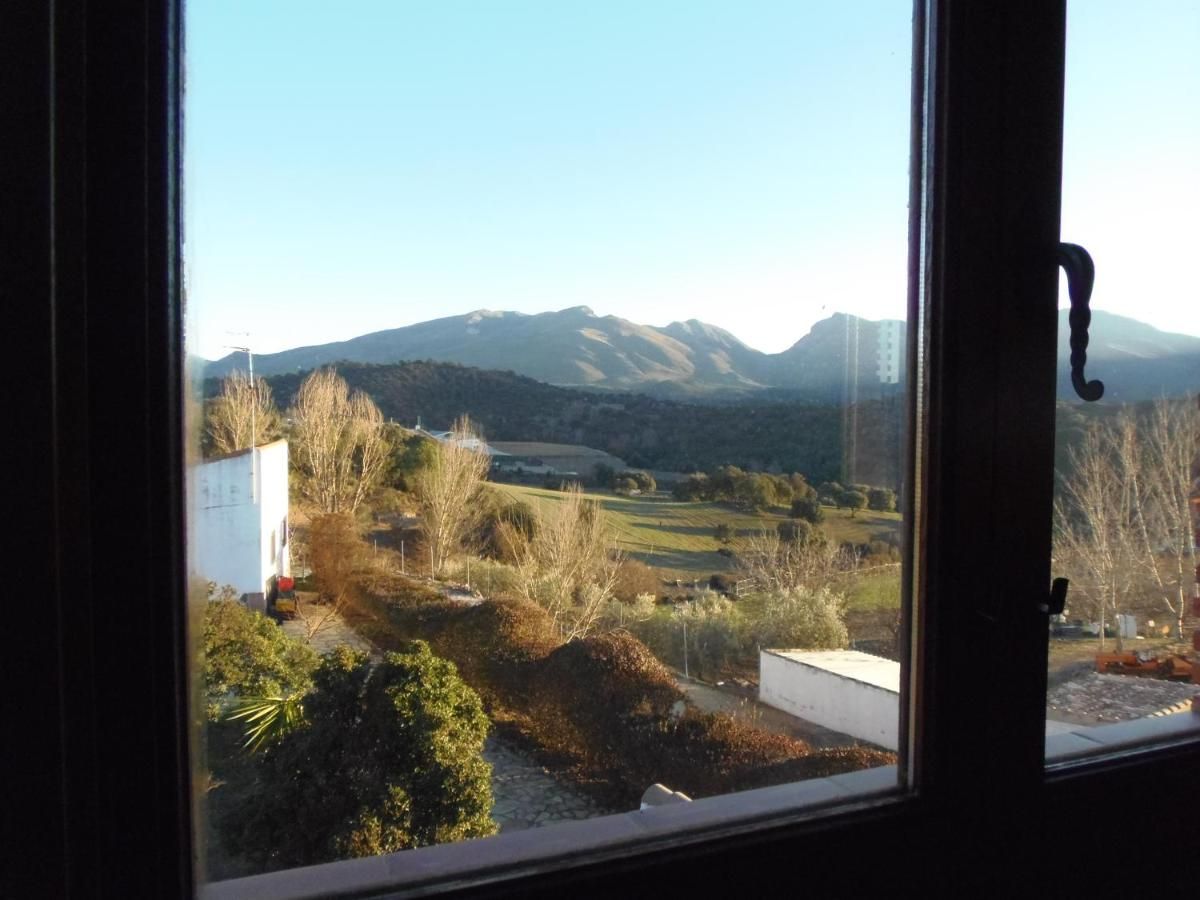
Cortijo Moyano pairs heated and infinity pools with family facilities, accessible ground-floor accommodation and free parking. Its setting in Alhama de Granada adds a historic townscape shaped by a river, limestone cliffs…
Read hotel guide