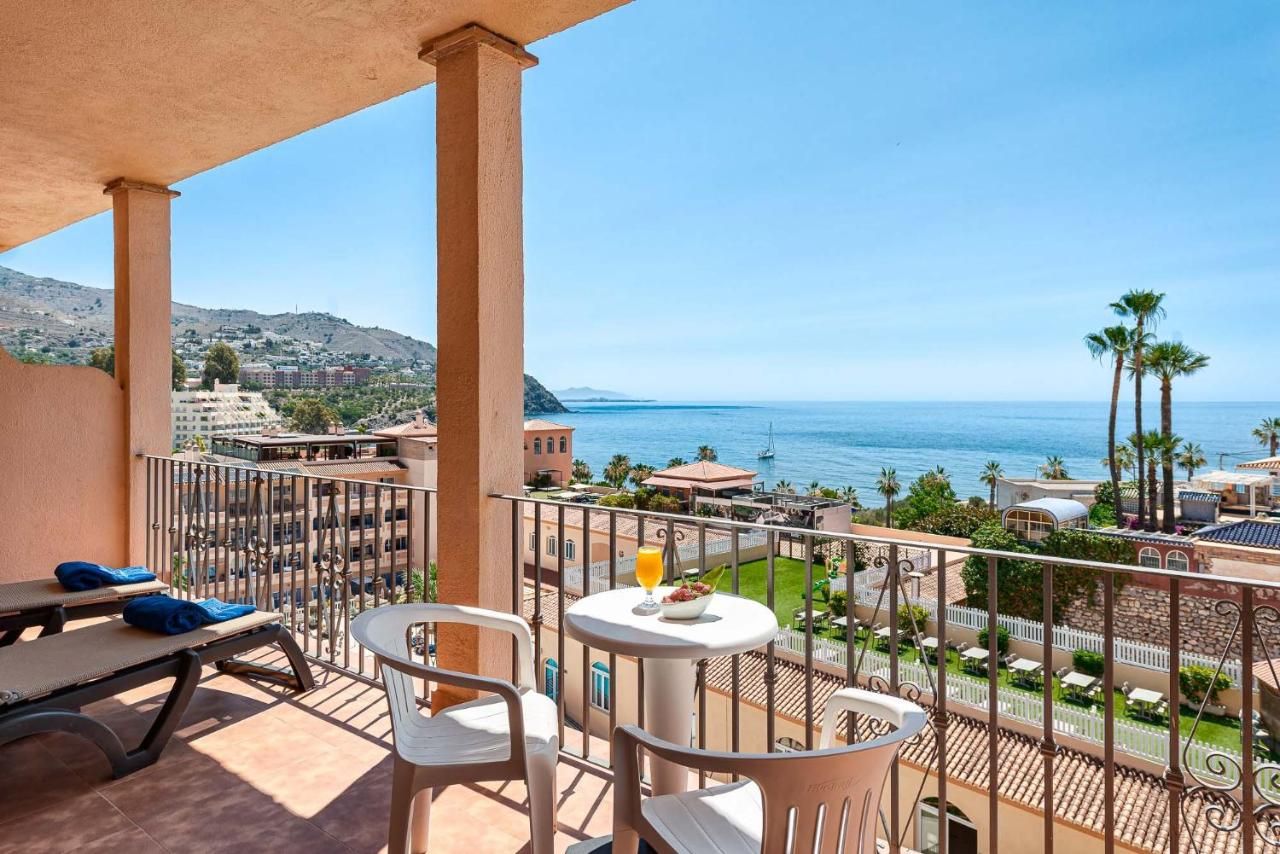
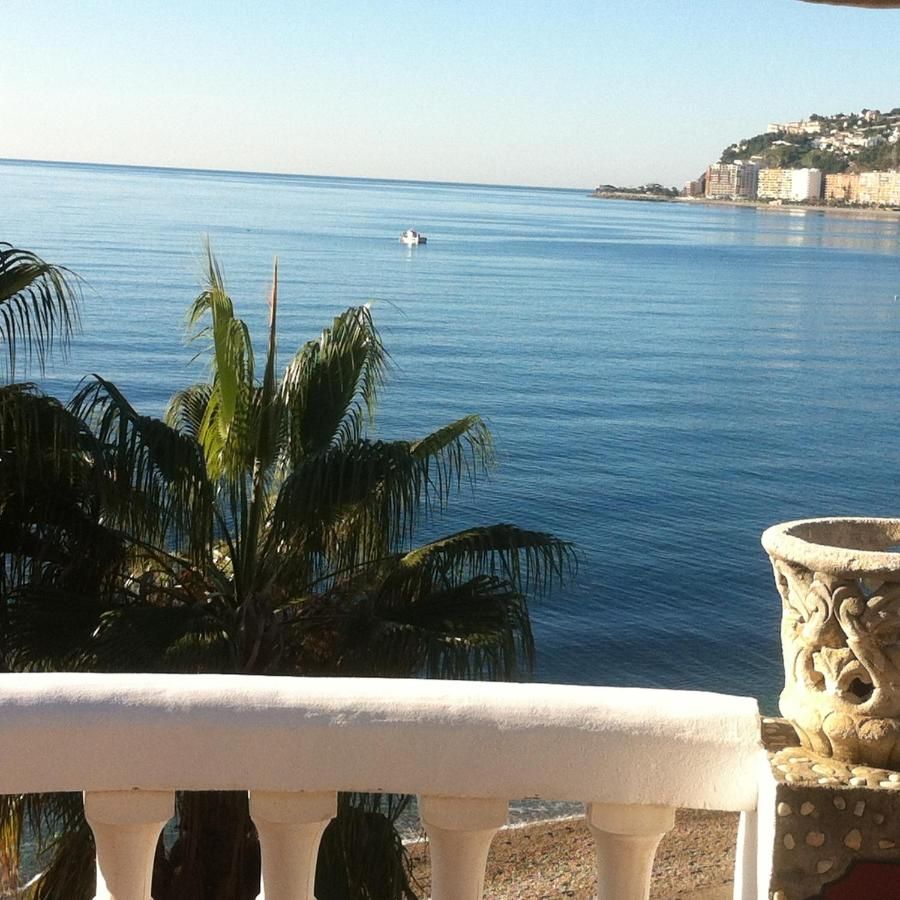
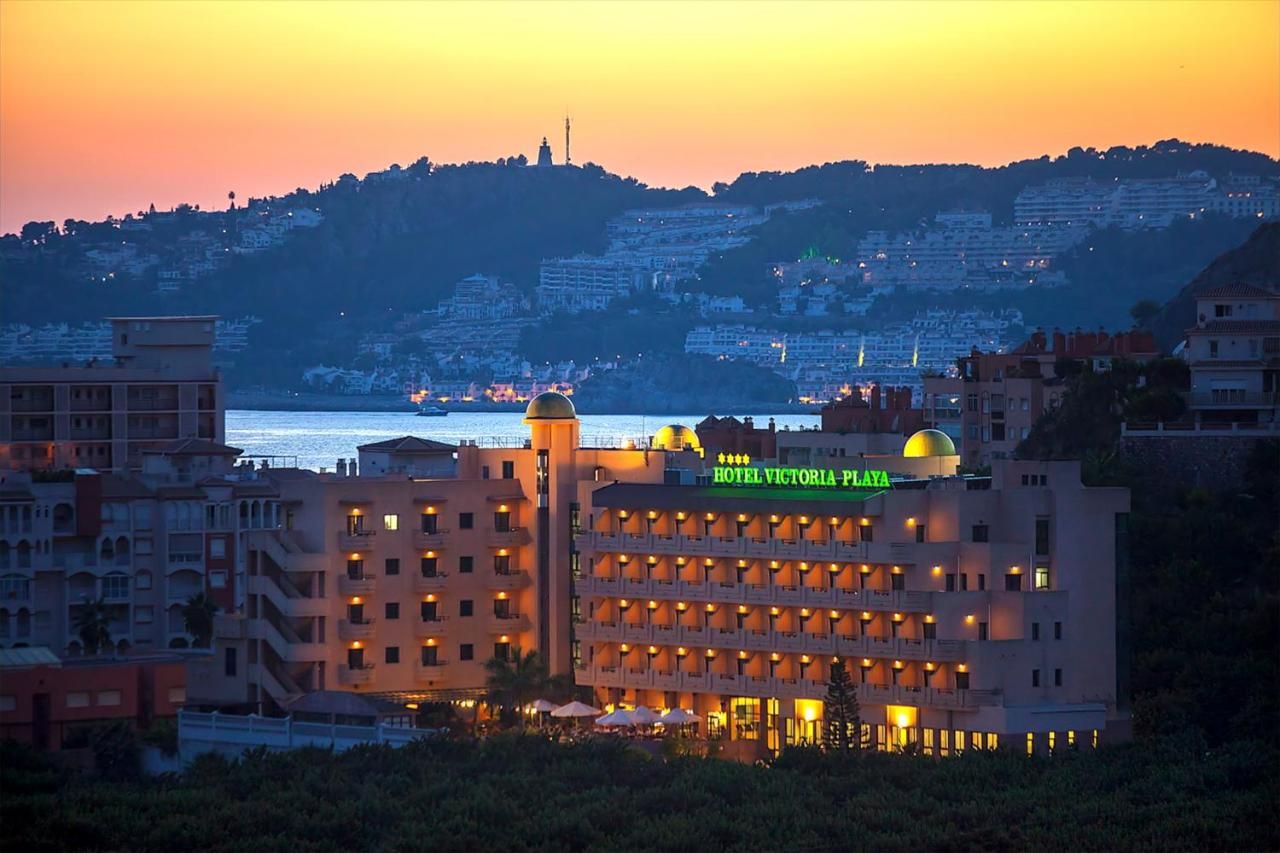
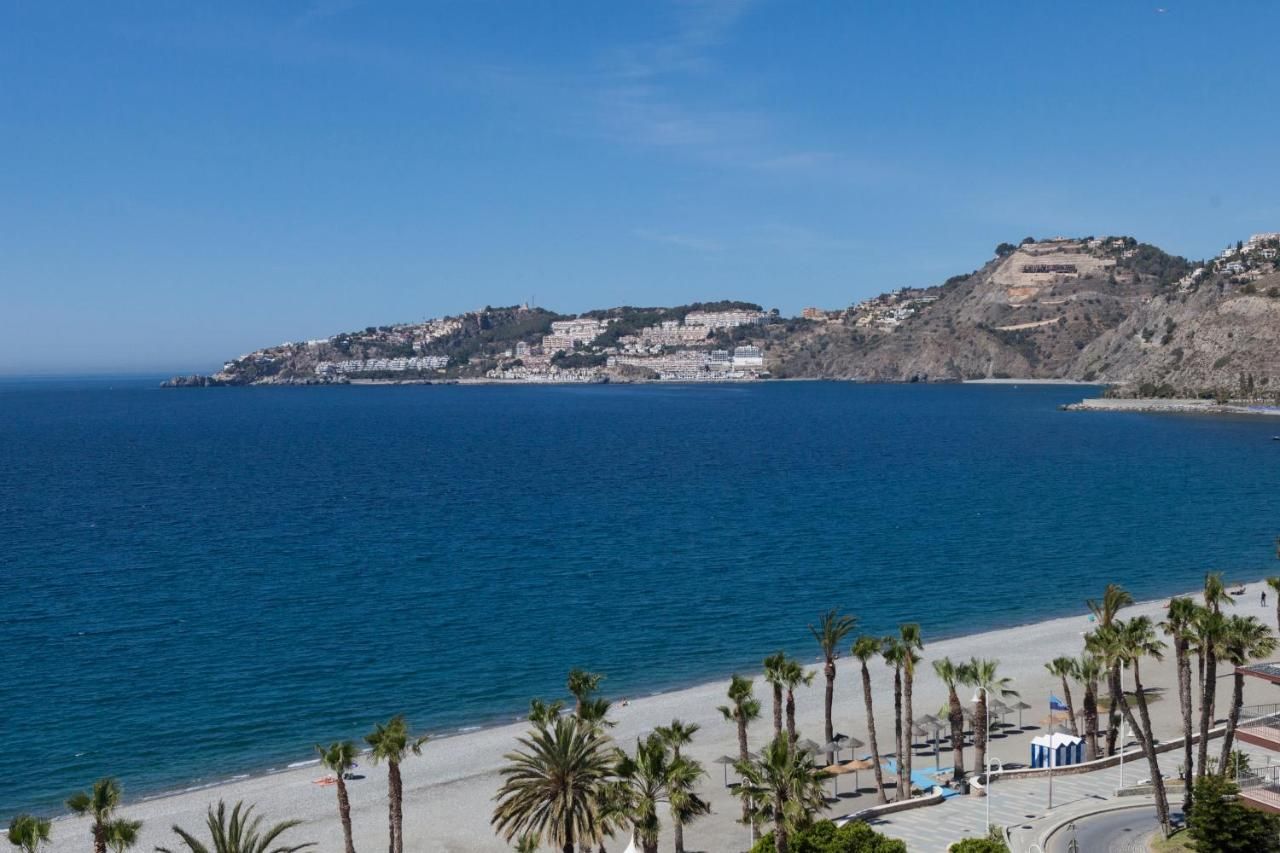
Almuñécar is a coastal town whose shape makes its history unusually tangible. The old settlement rises over a cluster of low hills between the Verde and Seco river valleys, with the foothills of the Sierra de la Almijara behind it and the Mediterranean in front. The Peñón del Santo and neighbouring rocky outcrops reach towards the sea; the ground’s natural contours helped make this an enduring place of settlement as well as a striking setting for the town.
Its ancient name, Sexi, belongs to a story that reaches back beyond the Roman period. Archaeological evidence in the historic centre records occupation from the Bronze Age, followed by Phoenician and Punic settlement and then Roman urban development. Rather than a single, self-contained monument, Almuñécar’s past is encountered across the town: in its hilltop remains, buried archaeological layers and the structures that once supported a substantial coastal city.
Roman Sexi and the life of the town
At El Majuelo, the remains of a Roman salting factory recall an industry that processed fish for preservation. Its tanks and excavated structures give physical form to the production of garum, a valued fish-based condiment exported across the Roman Empire. The factory’s history extends over several phases of use, while archaeological evidence indicates occupation of the site before its Roman construction. Today, parts of the remains lie beneath the botanical and archaeological park, with a substantial area of the salting installations visible.
Water was essential to this industry and to the expanding city. The Roman aqueduct supplied Sexi; five surviving sections are recorded, and parts of its system later served irrigation. That continuing practical use gives the structure a story beyond its original engineering purpose. Higher on the settlement’s central ground, the Cueva de los Siete Palacios is not simply a cave: its vaulted spaces formed part of the Roman urban platform built on a hillside where space for public buildings was limited. The complex now houses the Municipal Archaeological Museum.
Walls, churches and a layered coastline
The Castillo de San Miguel occupies the rocky rise south of the old centre. Its surviving fabric reflects different periods of construction, including early medieval and Nasrid work; the form of the hill and the fortifications belong closely together. Nearby, remains of the Alcazaba and Medina enclosures hint at how successive defences shaped the settlement around its heights.
Later history has left a different architectural register. The Iglesia de la Encarnación, with its compact exterior, tower and Latin-cross plan, was designed with a defensive character suited to a church on the coast. Elsewhere, coastal watchtowers mark a long history of vigilance along the shore. At Almuñécar, these layers sit alongside the working traces of ancient water and industry: a town to understand through the relationship between its hills, its sea and the successive communities that made a home here.