Hotel Del Val, Andújar
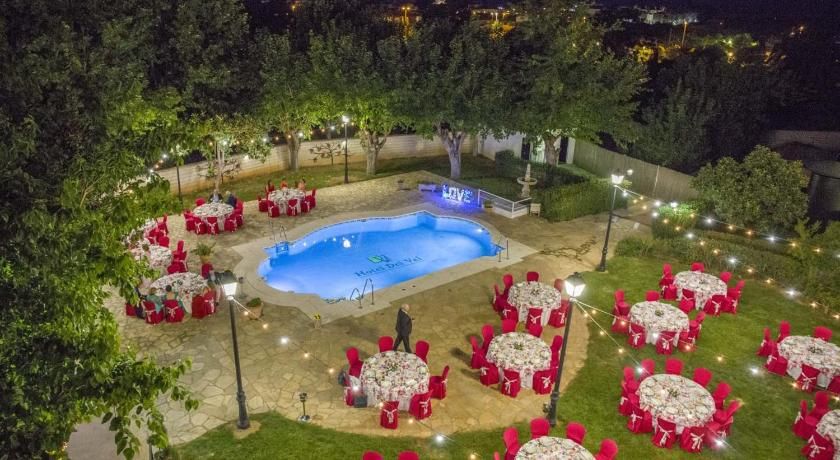
Hotel Del Val combines an outdoor pool, garden, restaurant and pool bar with practical comforts including free parking and Wi-Fi. Its Andújar setting adds a broader sense of place, from the Guadalquivir…
Read hotel guideThe art of finding somewhere wonderful.
Video by Nirjhar Basak on Pexels
Andújar’s heritage is unusually legible in its architecture. Churches, former religious houses and grand domestic façades sit alongside traces of a fortified town and bridges shaped by centuries of crossing. Taken together, they tell a story not of one defining monument, but of a place repeatedly rebuilt and adapted.
Among the most striking civic landmarks is the Palacio Municipal. First conceived in 1604 as a Corral de Comedias, it became the Casa Consistorial in 1791. Its façade brings together Italianate and classically mannered elements, while its history bears the mark of the 1755 Lisbon earthquake: damage led to substantial alterations, and later restoration reopened the arches of its two storeys and arcades. The building’s changing purpose is part of its interest, as much as its carefully composed frontage.
Andújar’s historic houses offer a more intimate architectural counterpoint. Casa de Don Gome de Albarracín, built by the Cárdenas-Valdivia lineages, is arranged around a patio in the manner of an Italian Renaissance palace. Its tower-front dates to 1620, while the surviving records of the house reach back to 1570. Casa de Las Argollas, with its stone façade and central courtyard, and the tower rising over the entrance of the Casa de la Torre de los Valdivia add further variety to the town’s domestic architecture.
The churches make the changing character of Andújar’s architecture particularly clear. Santa María la Mayor retains medieval fabric alongside later alterations, including a chapel that holds El Greco’s The Prayer in the Garden. San Miguel has a late-Gothic structure and a sixteenth-century tower; Santiago combines a late-Gothic plan with seventeenth-century additions. The former convents and religious houses bring another layer: the Trinitarian convent dates its foundation to 1587, while work on the Jesuit college began in 1623.
Older still are the surviving fragments of the town’s defences. The medieval walls, attributed in the heritage record to the Almohad period, once enclosed a substantial fortified settlement. The Torreón de la Fuente Sorda preserves part of this history: its core was later faced in sandstone, and its crenellations belong to the eighteenth century. At the former northern entrance, the Arco de Capuchinos frames the memory of the city beyond its walls.
The Puente Romano is a fourteen-arched stone bridge, with remnants of Roman road surviving at its ends; its eastern half was substantially remodelled in the fifteenth and twentieth centuries. The Puente de Lugar Nuevo, by contrast, belongs to a later chapter. Its present structure was built in the seventeenth century, and it is also crossed during the Romería de la Virgen de la Cabeza. Together, these bridges extend Andújar’s architectural story from the urban fabric to the routes across its surrounding landscape.
Hotel Del Val combines an outdoor pool, garden, restaurant and pool bar with practical comforts including free parking and Wi-Fi. Its Andújar setting adds a broader sense of place, from the Guadalquivir…
Read hotel guide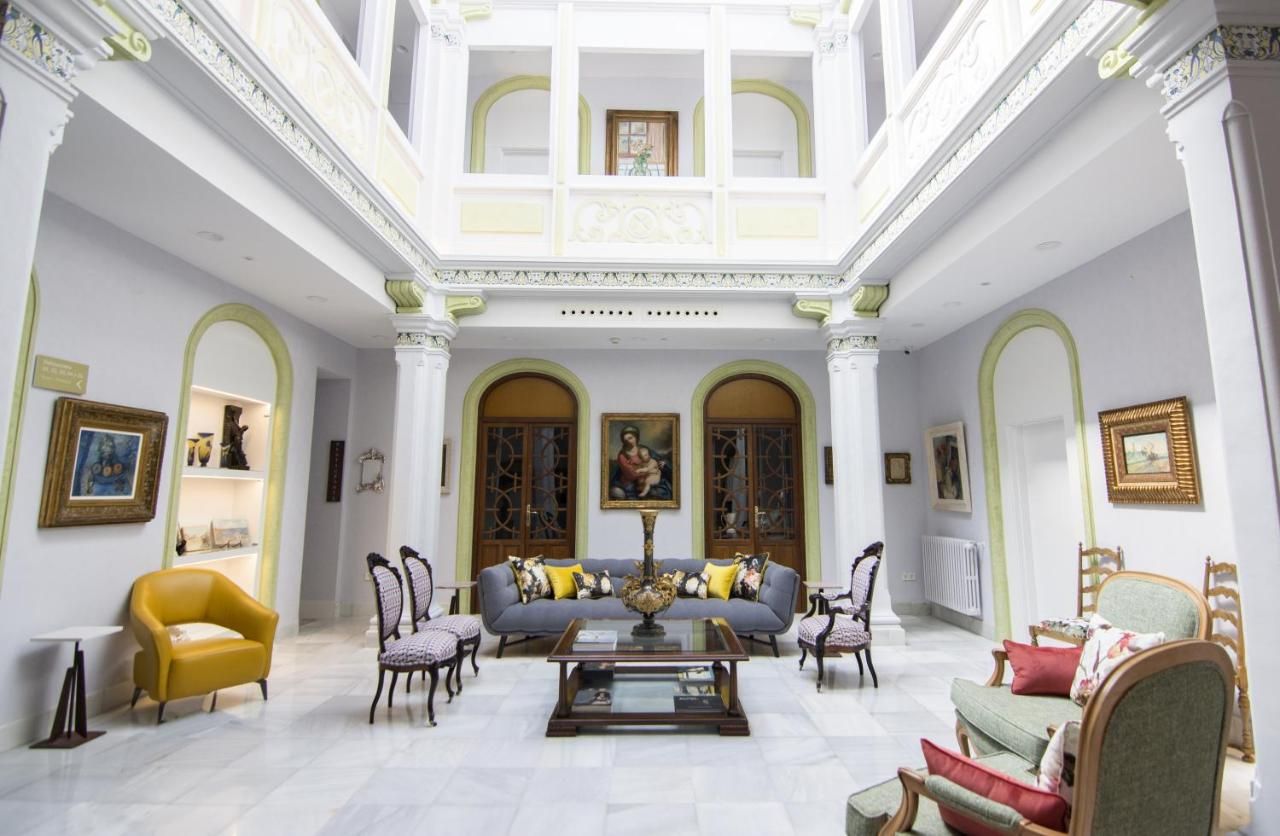
Hotel Oleum in Andújar pairs complimentary breakfast and an outdoor pool with free parking available by advance reservation. Accessibility features, family rooms and bicycle rental add practical options, while the Guadalquivir valley…
Read hotel guide