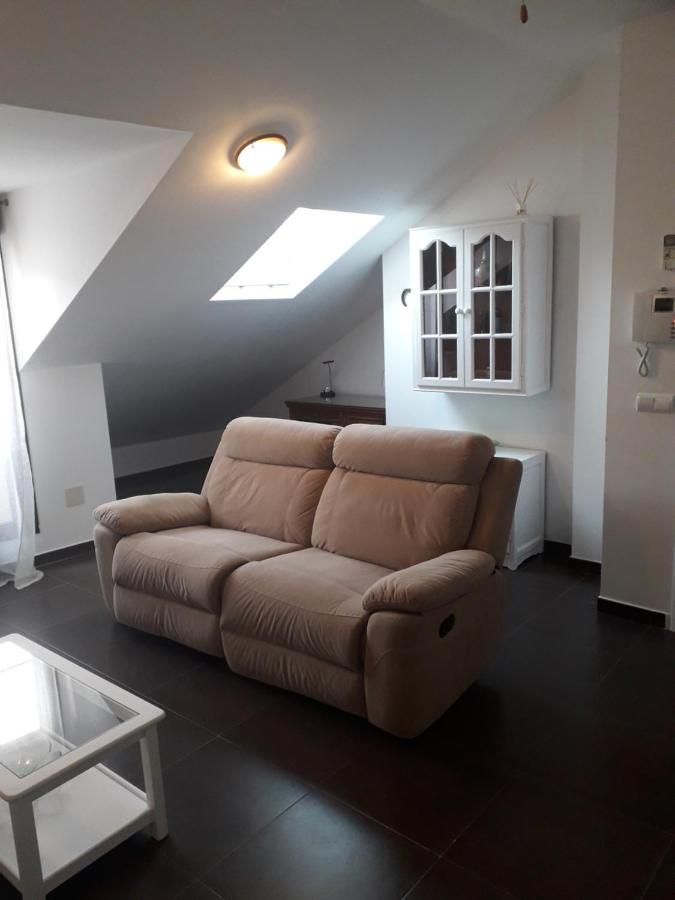
Ático céntrico, Antequera
A private apartment in Antequera with a kitchen, washing machine, balcony and elevator access, Ático céntrico offers an independent base for visitors who want the flexibility to shape their own routine in…
Read hotel guideThe art of finding somewhere wonderful.
Video by Nirjhar Basak on Pexels
Antequera’s historic centre is a place to read through its changing forms of architecture. Around the hilltop Alcazaba, streets follow the slope in steep, curving lines; farther out, a more spacious pattern gives the town a different rhythm. The result is not a single monumental vista but a sequence of lanes, churches, civic buildings and grand houses, each shaped by its own period.
The old town’s topography remains legible in its street plan. Near the castle, routes descend radially and bend with the contours of the hillside; the narrow, covered Callejón de la Estrella is noted for its winding, medina-like form. Beyond this older pattern, the streets become more regular. The contrast helps explain how the settlement grew around its elevated centre rather than according to one uniform plan.
The Alcazaba occupies the crown of the hill, within the remains of the walled Islamic medina. Its largest tower, the Torre del Homenaje, is known locally as the Reloj de Papabellotas; a Renaissance bell tower was added above it in 1582. Below, the Arco de los Gigantes marks a later civic statement. Raised in the late sixteenth century, its masonry carries Latin inscriptions referring to Anticaria and other Roman-era cities in the surrounding area, alongside a dedication to Philip II. These structures give the upper town a layered history: fortified enclosure, inherited classical memory and later urban ceremony.
Religious architecture adds another strand. The Real Colegiata de Santa María la Mayor, built between 1515 and 1550, combines a Renaissance triumphal-arch façade with a columned interior and Mudéjar timber roofs. The nearby church of Nuestra Señora del Carmen is the surviving part of a former Carmelite convent, while the church of San Pedro belongs to the town’s group of Renaissance columned churches, though its vaulting is Gothic in character. Rather than forming a uniform ensemble, these buildings show how local architecture absorbed and reworked different traditions.
Antequera’s historic houses are distinctive for their brick façades, carefully framed openings and columned patios. Several use red limestone from El Torcal de Antequera for portals or Tuscan columns, making the surrounding stone part of the town’s architectural vocabulary. The eighteenth-century Casa del Conde de Pinofiel, completed in 1762, sets a white limestone entrance against a largely brick exterior; the Casa de los Colarte, begun in the early eighteenth century, has a portal in red limestone. Elsewhere, the Palacio de Nájera’s courtyard and tower-mirador offer a different expression of the town’s domestic grandeur.
Antequera rewards attention to these contrasts: steep lanes and more regular streets, fortified heights and open civic façades, restrained brickwork and intricate interiors. Its character emerges from their close proximity, with the town’s history built into the forms and materials of the streets themselves.
A private apartment in Antequera with a kitchen, washing machine, balcony and elevator access, Ático céntrico offers an independent base for visitors who want the flexibility to shape their own routine in…
Read hotel guide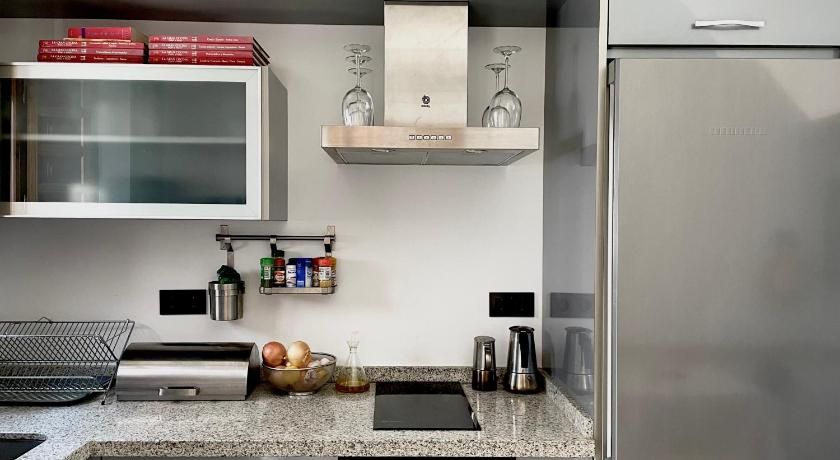
A detached Antequera holiday home with a full kitchen, private entrance and free parking, Casa Vacacional Alcazabilla offers an independent base with city, landmark and mountain views. Family-friendly provisions and generous living…
Read hotel guide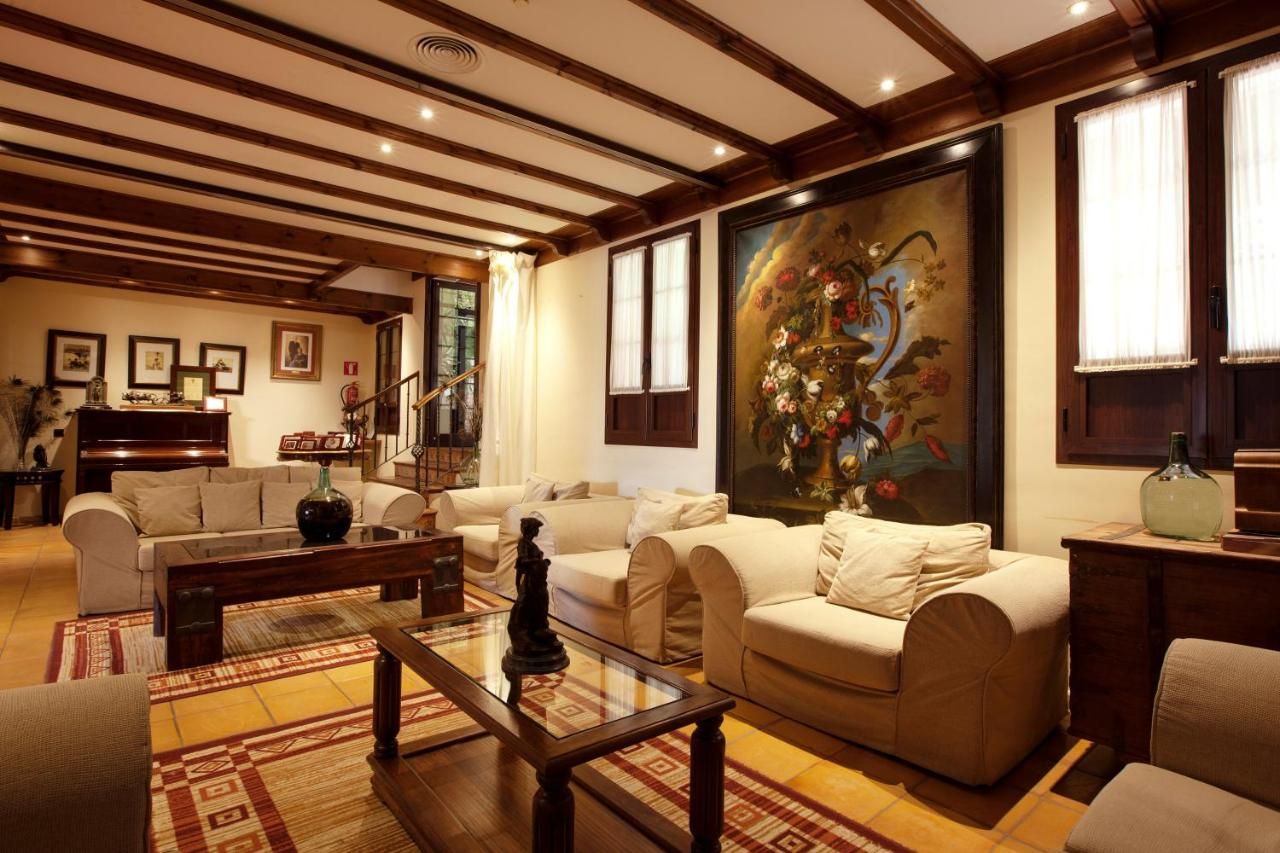
With an outdoor pool, garden, spa and restaurant, Hotel Domus Selecta Finca Eslava offers more than a convenient base in Antequera. Conference facilities, free parking and family-room options make it adaptable to…
Read hotel guide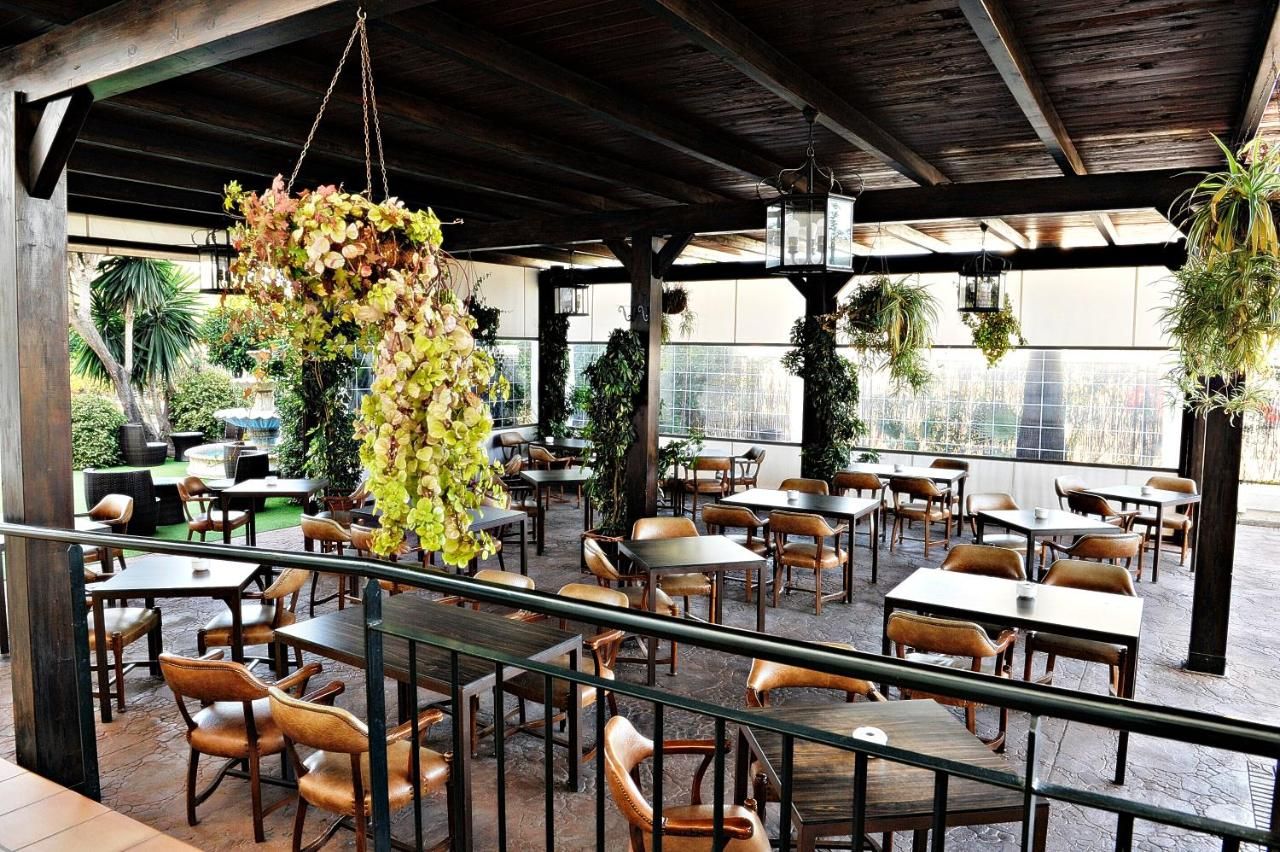
Hotel Lozano combines free parking and EV charging with a 24-hour front desk, breakfast options, business facilities and accessible features. Its practical full-service offer provides a useful base for a visit to…
Read hotel guide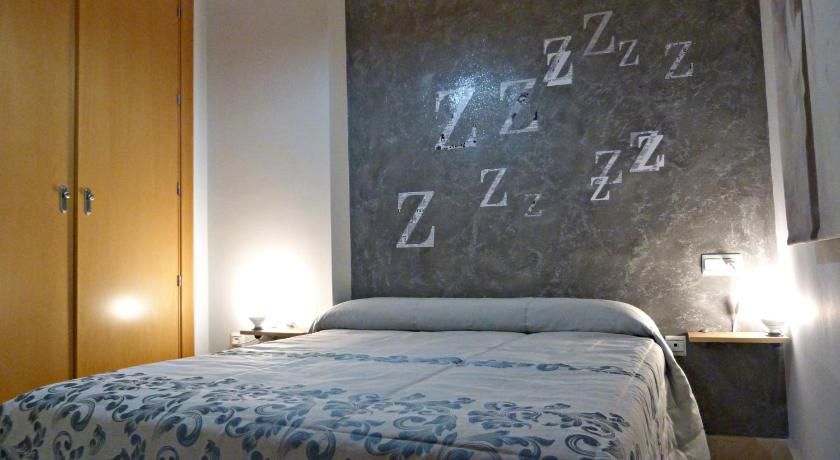
Najera Suite is an independent Antequera apartment with a kitchen, dining and seating areas, private entrance and bathroom, plus elevator access and stated wheelchair accessibility. Parking, laundry facilities and optional airport transfers…
Read hotel guide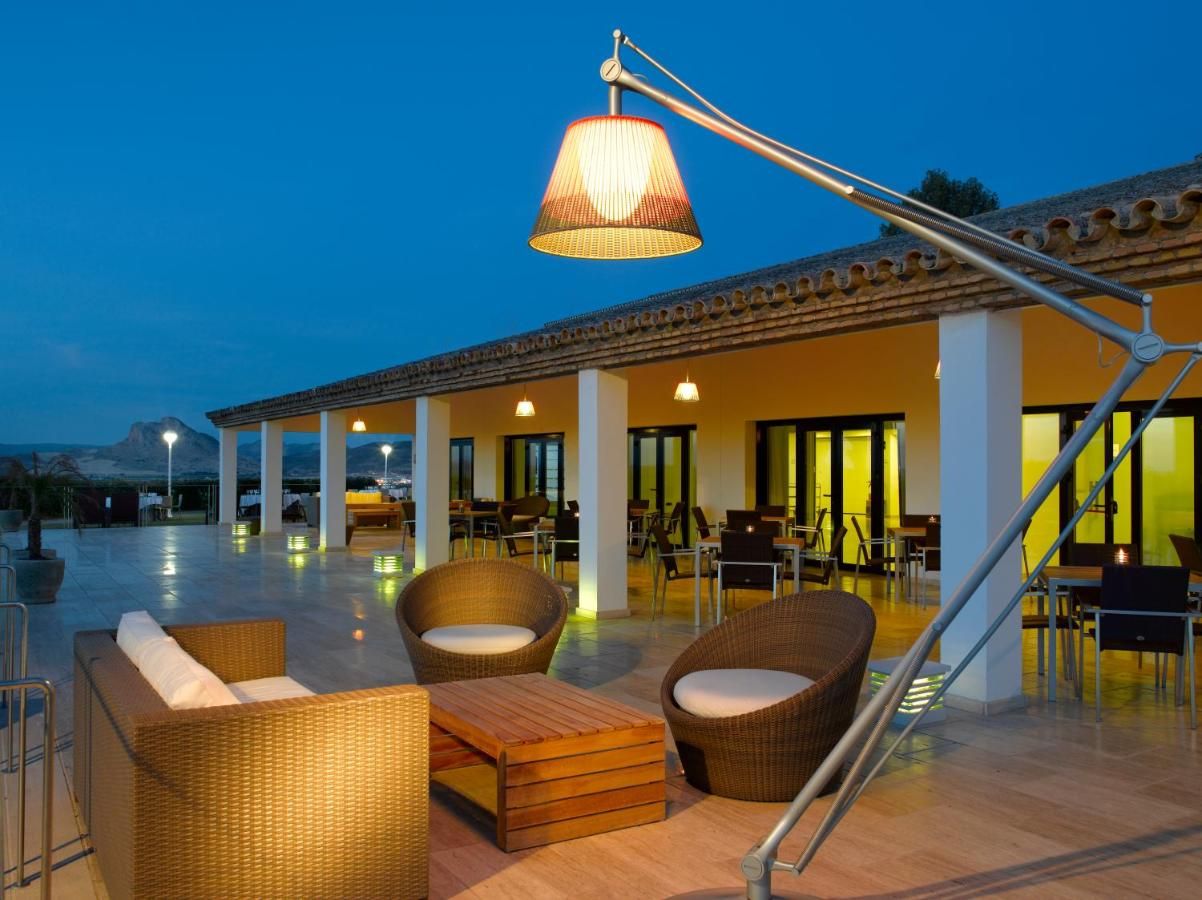
With outdoor and child pools, a garden, event facilities and accessible parking, Parador de Antequera accommodates both family breaks and working visits. Antequera’s varied streets and architecture add an urban setting beyond…
Read hotel guide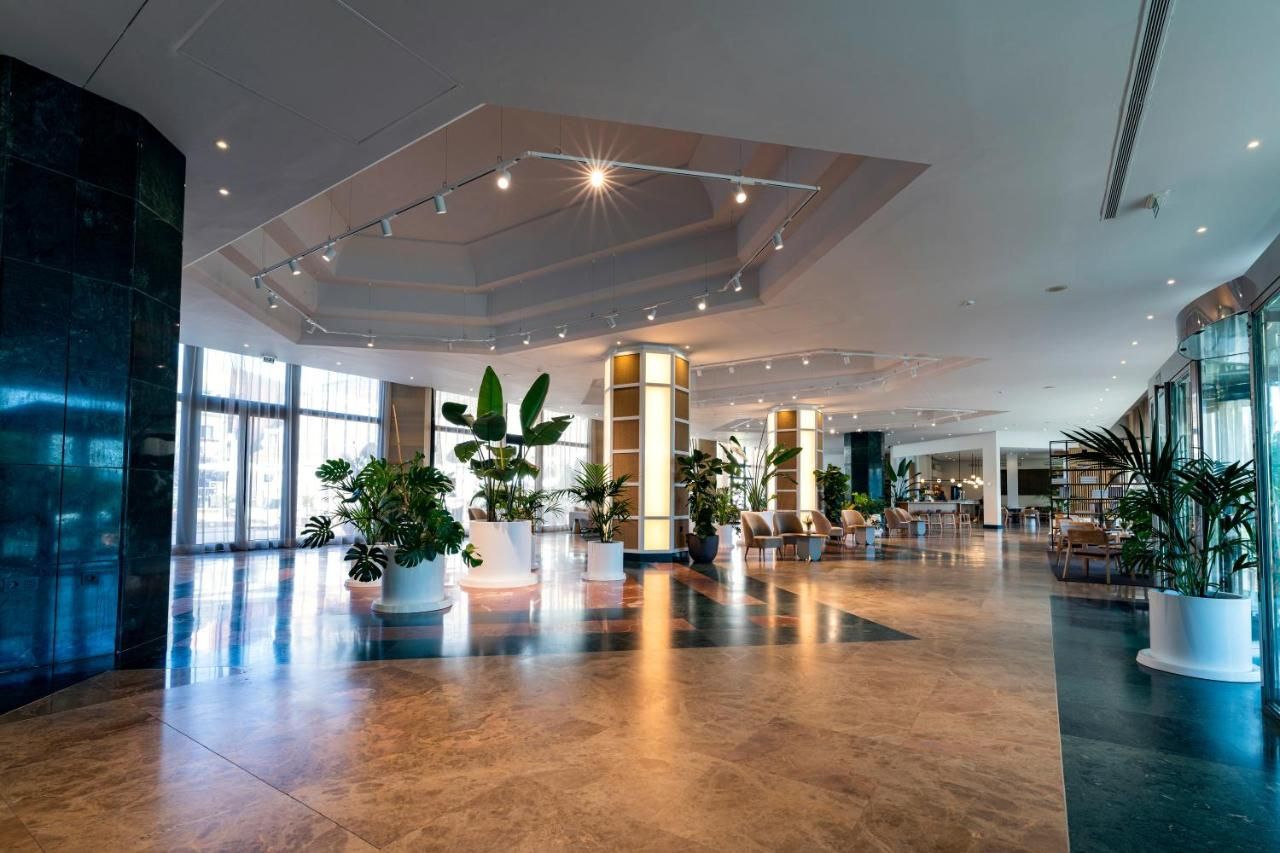
Silken Antequera Hills combines family rooms and childcare with conference facilities, a 24-hour front desk and lift access. Its garden, bar and coffee shop add on-site options, while Antequera’s varied architecture offers…
Read hotel guide