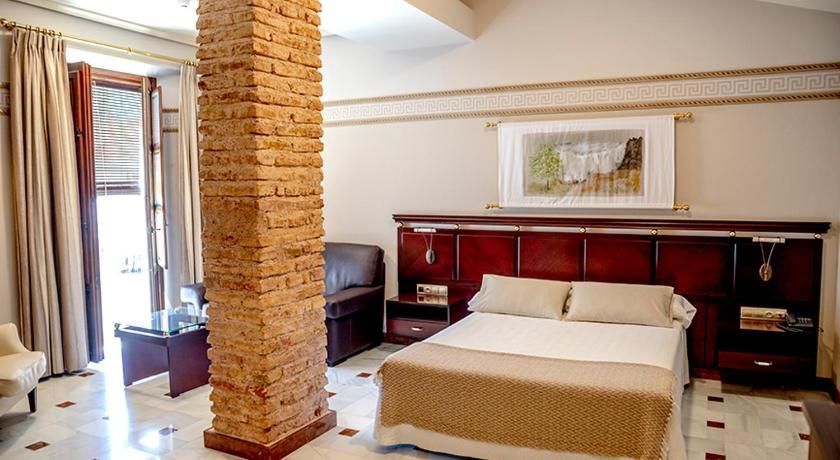
Hotel Don Miguel Plaza, Berja
A three-star Berja hotel with a 24-hour front desk, bar and lounge, plus rooms that may include a balcony and city views. Business facilities and practical family options make it suited to…
Read hotel guideThe art of finding somewhere wonderful.
Video by Nirjhar Basak on Pexels
Berja’s past is not gathered into a single monument. It is dispersed across the town and its surrounding ground: a defensive tower within the centre, places of worship in different architectural styles, and archaeological sites that reach back through medieval and Roman settlement to the Copper Age. Read together, these remains make the municipality a place to explore as a layered landscape rather than as a sequence of isolated sights.
At the heart of Berja, the Torre Fuerte de los Enciso offers a particularly vivid account of defensive architecture. Built in the sixteenth century in the Mudéjar style, it has a rectangular plan and three storeys beneath a flat roof. Its pared-back exterior reflects its protective purpose: openings are scarce, while the brick cornice and the masonry construction give the tower a marked presence. On its eastern face, an arched entrance and surviving stone brackets hint at an arrangement that may once have been associated with a drawbridge. The building has been restored and converted into a museum.
Religious buildings add a different register. The Ermita de Nuestra Señora de Gádor has a history extending from the sixteenth century, with a reconstruction in the seventeenth and a convent added in the nineteenth. Its interior includes a barrel vault, side chapels and a distinctive two-storey camarín. Elsewhere, the Ermita de San Tesifón at Castala is simpler in plan, with a timber roof and a bell tower whose brick upper section contrasts with the rest of the building. These differences reward attention to the details of form and construction, rather than treating every historic chapel as part of a single style.
Beyond the town centre, Berja’s archaeological record opens onto a much longer story. Villavieja occupies a hill southwest of the present settlement and is associated with ancient Vergi as well as a substantial medieval fortress and settlement. The site also preserves evidence of Copper Age occupation. Near Benejí, the remains of a medieval bathhouse offer another kind of encounter with the past: one surviving vaulted nave, with alcoves at either end, belongs to a larger complex that drew water from the Fuente de Alcaudique.
Water management appears repeatedly in the surrounding heritage. Medieval cisterns, or aljibes, were adapted to their particular settings, collecting runoff and serving settlements, routes or grazing areas. Their practical purpose gives them a quiet significance: they are evidence not only of building traditions, but of how communities made use of scarce water in the landscape.
Berja’s appeal lies in these changes of scale—from a tower in the town to old settlements on hillsides, and from carefully shaped religious interiors to modest structures built to gather water. Together, the remains offer a grounded way to understand the area’s successive communities and the landscapes in which they lived.
A three-star Berja hotel with a 24-hour front desk, bar and lounge, plus rooms that may include a balcony and city views. Business facilities and practical family options make it suited to…
Read hotel guide