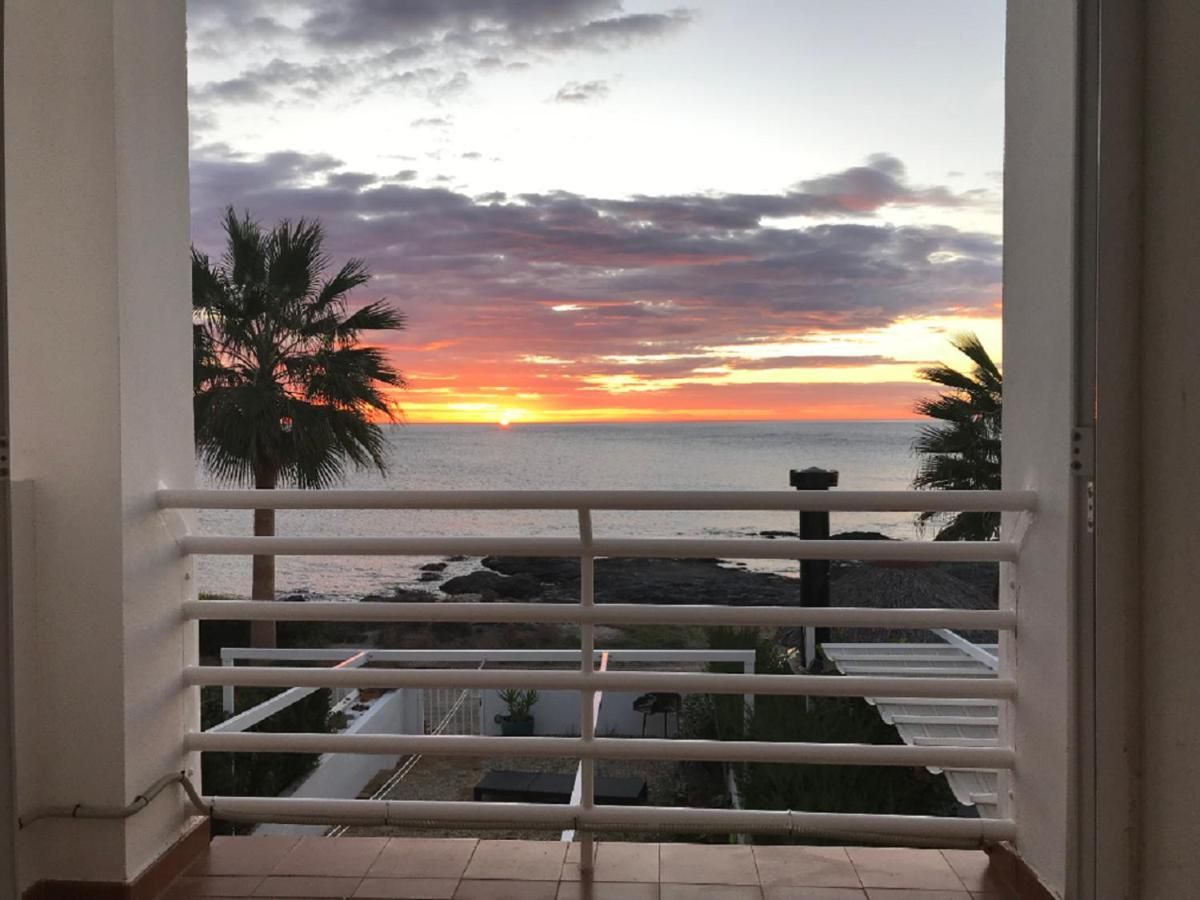
Casa Elena, Cuevas del Almanzora
Casa Elena pairs a beachfront apartment in Cuevas del Almanzora with sea views, an outdoor pool, a balcony and a well-equipped kitchen. Its garden, outdoor dining area and free parking make it…
Read hotel guideThe art of finding somewhere wonderful.
Video by Nirjhar Basak on Pexels
Cuevas del Almanzora rewards a close look at its architecture, but its story reaches beyond the town’s streets. The records of the municipality bring together civic and religious buildings, a fortified centre and archaeological sites along the Almanzora landscape. Together, they suggest a place shaped by successive ways of living, defending territory and working the land.
In the western part of the city, the Castillo del Marqués de los Vélez occupies the heart of Plaza de la Libertad. Its irregular, walled enclosure brings several elements into one architectural group: the Torre del Homenaje, the Casa de la Tercia, the palace and the Patio de Armas. The tower is identified as the surviving remnant of an earlier Arab fortress. Elsewhere in the complex, the palace’s stonework, corner bastions and interior hall of arches and columns speak to a later phase of construction.
The castle’s setting gives the town’s historic centre a clear focal point, while its fabric preserves evidence of changing military needs. The IAPH account places the fortress within the frontier-defence strategy of the Nasrid kingdom in the late thirteenth century. Rather than presenting the building as a single, unchanging monument, its surviving parts point to a site shaped and reused across different periods.
Other buildings offer a more intimate reading of Cuevas del Almanzora’s architectural character. The Casa Consistorial is distinguished by a long iron-railed balcony that runs across three sides of its upper floor; below, the entrance is framed by a rounded arch and moulded stonework. The Cámara Agraria has a different, more formal façade: horizontal rustication, a central balcony and a marble panel bearing the date 1844.
The Iglesia de la Encarnación combines a neoclassical main entrance with more baroque features inside and at its side portal. Its three-naved basilica plan, dome over the crossing and decorated interior give the building a strong architectural presence. The Iglesia de San Sebastián offers another contrast, with a single nave, a square-based tower and a façade articulated by pilasters and a triangular pediment. These are distinct buildings, not variations on one style, and together make the town’s architectural record particularly varied.
The wider municipal landscape holds archaeological evidence of much earlier settlement. At Zájara, about 3.5 kilometres from Cuevas del Almanzora, a Copper Age settlement occupied a raised site between the Almanzora River and the Rambla de Alifraga; traces of its defensive wall remain recorded there. Other sites in the municipality include evidence associated with the Copper Age and the Bronze Age, while the archaeological record at Villaricos spans a much longer sequence, from early settlement to the medieval period.
This breadth of history is best understood as a landscape of separate places and periods, not as a collection of monuments all within the town centre. Cuevas del Almanzora’s appeal lies in that wider perspective: a historic town whose civic and religious architecture sits within a municipality marked by both ancient settlement and later fortification.
Casa Elena pairs a beachfront apartment in Cuevas del Almanzora with sea views, an outdoor pool, a balcony and a well-equipped kitchen. Its garden, outdoor dining area and free parking make it…
Read hotel guide