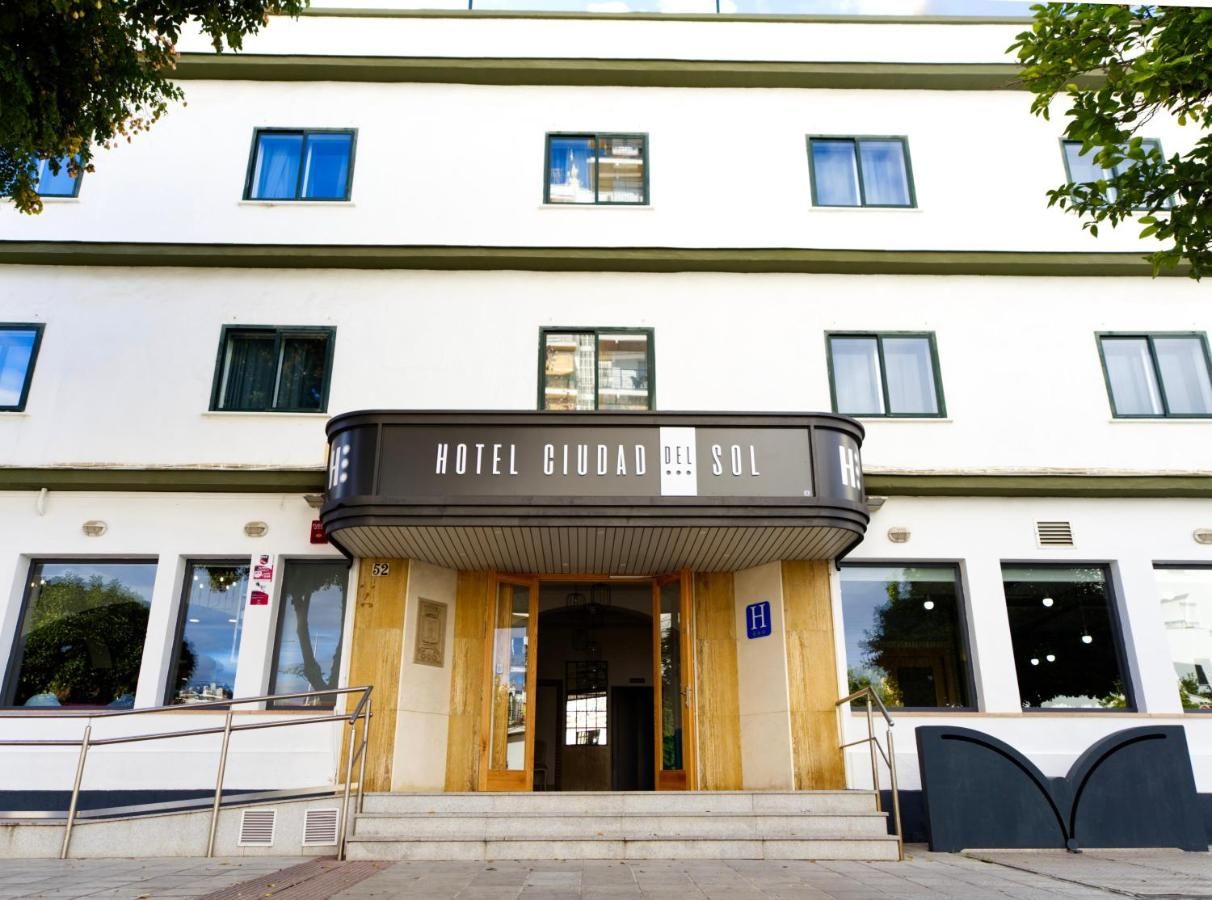
Ciudad Del Sol, Écija
Ciudad Del Sol combines a restaurant, bar and coffee shop with family rooms, meeting facilities and listed wheelchair accessibility. Its Avenida de Miguel de Cervantes address makes it a practical hotel base…
Read hotel guideThe art of finding somewhere wonderful.
Video by Nirjhar Basak on Pexels
Écija’s history is unusually close beneath the surface of its present-day streets. The town stands on the site of ancient Astigi, where archaeological discoveries have traced settlement from prehistoric times through the Turdetanian and Roman periods. The old urban centre has continued to be occupied, so evidence of earlier life has often emerged during building work rather than remaining exposed as a complete ancient quarter.
In Roman times, Astigi was an important city. Finds recorded across the modern centre include remains of streets, drains, houses, mosaics and columns, while the forum is thought to have occupied the ground around what is now Plaza Mayor. The historic layers extend beyond Rome: the settlement was known as Istigga in the Islamic period, and sections of its walled enclosure survive. Together, these traces give Écija a story shaped by continuity and change on the same ground.
Much of the town’s architectural character is legible in its palaces. The Palace of the Marquises of Peñaflor grew through successive additions from the late sixteenth to the nineteenth century. Its striking eighteenth-century entrance, dated 1726, combines coloured marble, twisted columns and a prominent viewing tower and balcony. Nearby, the Palace of Valhermoso brings a different register: its oldest fabric dates to the sixteenth century, with a monumental portal and a loggia reconstructed in the eighteenth.
The Palace of the Marquises of Benamejí, built in the first third of the eighteenth century, is notable for its brick façades and the towers framing its principal frontage. Inside, the recorded arrangement includes a courtyard and principal staircase. These buildings are not interchangeable grand houses: their dates, materials and architectural details show how the town’s civic and aristocratic fabric accumulated over time.
Écija’s religious buildings add further layers to that history. The church of Santiago, in the south-west of the town, is associated with the growth of a suburb during the fourteenth and fifteenth centuries. Its Gothic-Mudéjar fabric was subsequently altered, with additions including a sacramental chapel and tower. The church of Santa Ana has a later eighteenth-century nave, while its tower incorporates the shaft of an earlier structure built over a tower of the former town wall.
For a sense of Écija, look beyond any single monument: its appeal lies in the close juxtaposition of Roman foundations, medieval traces and richly detailed palatial architecture. The historic centre rewards attention to those different periods, each still present in the form of the town today.
Ciudad Del Sol combines a restaurant, bar and coffee shop with family rooms, meeting facilities and listed wheelchair accessibility. Its Avenida de Miguel de Cervantes address makes it a practical hotel base…
Read hotel guide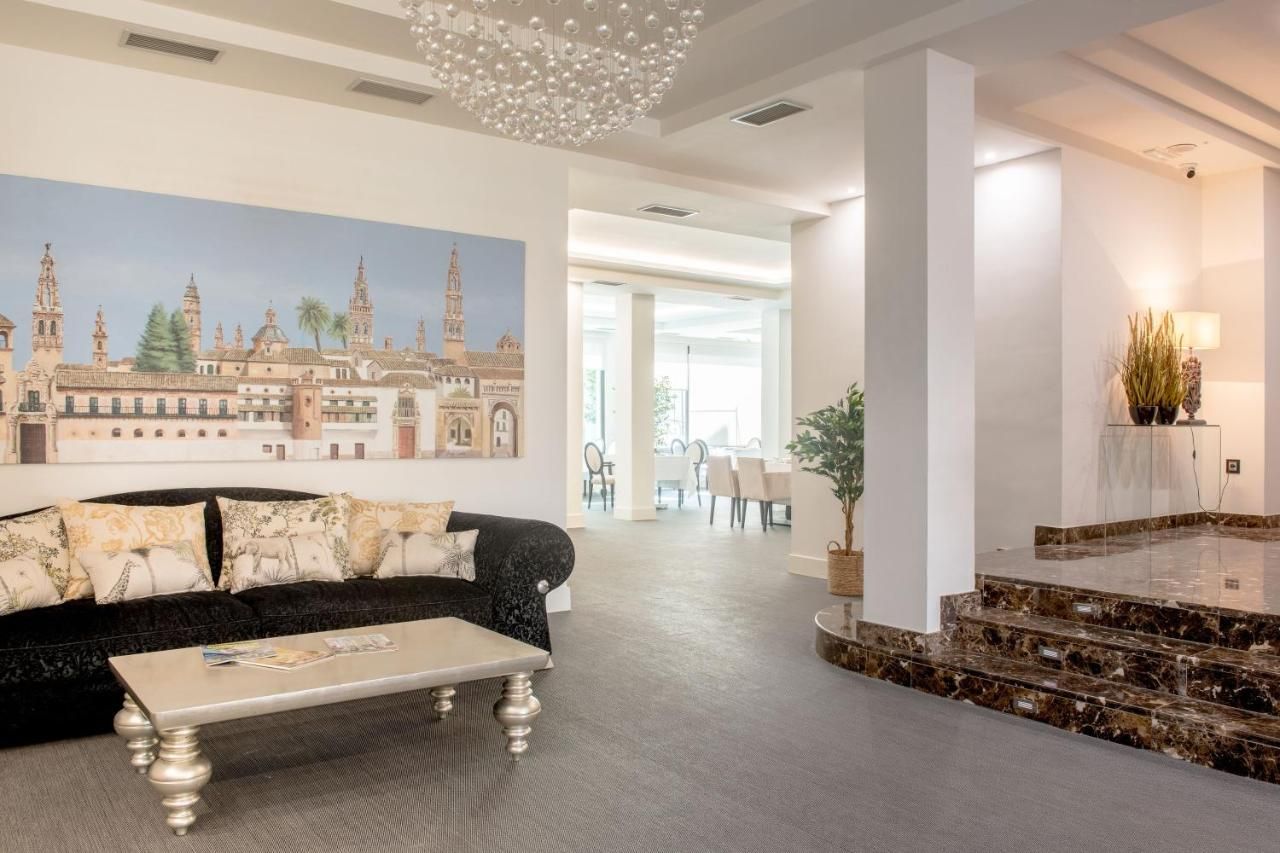
Hotel Infanta Leonor combines accessible facilities with family rooms, interconnected options and round-the-clock reception in Écija. Its garden, coffee shop and meeting facilities add flexibility, while the town’s palaces and Roman pottery…
Read hotel guide