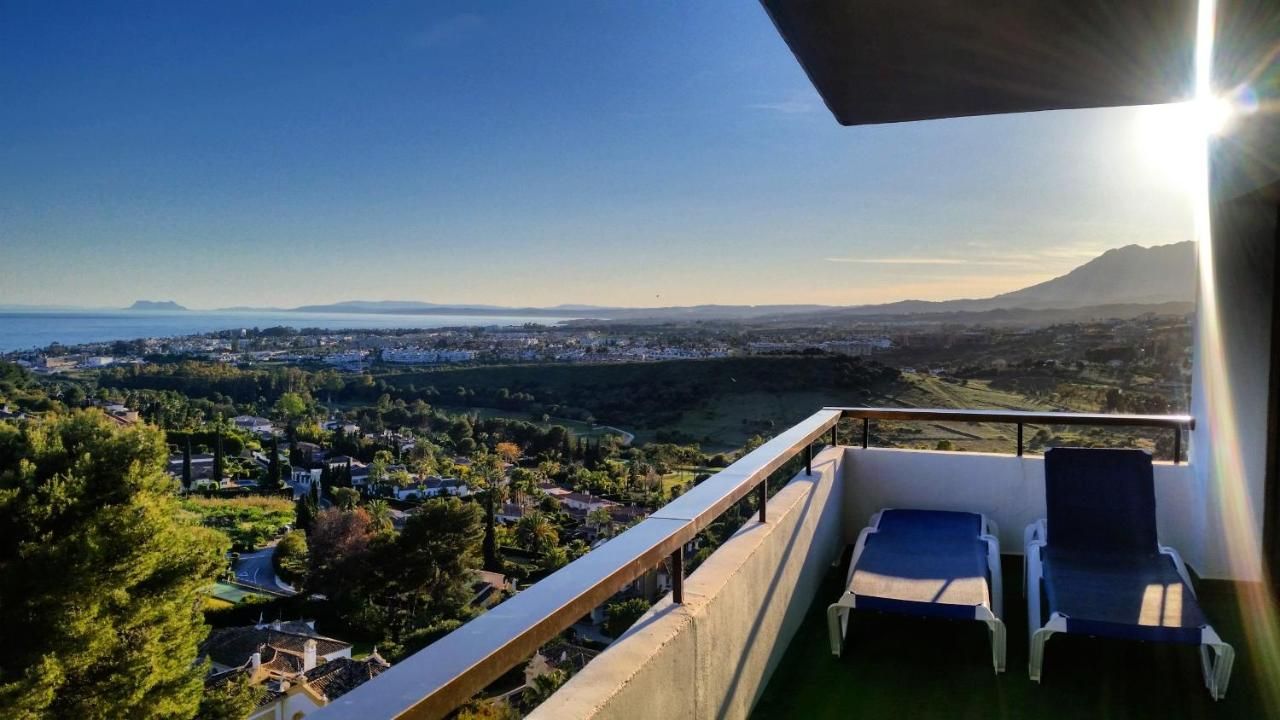
Trh Paraíso Hotel, Estepona
Trh Paraíso Hotel combines an indoor pool and fitness facilities with dedicated family provision, conference space and everyday services. Its varied offer makes it a flexible base for a stay in Estepona,…
Read hotel guideThe art of finding somewhere wonderful.
Video by Nirjhar Basak on Pexels
Estepona’s coast is marked by a chain of watchtowers, each set in a particular relationship with the shore, a river mouth or the land behind it. Their varied forms and changing surroundings make the municipality’s history especially tangible: this is a coastline to understand through its individual landmarks, rather than as an unchanging strip of sand.
Near the mouth of the Guadalmansa stands a rectangular tower whose history reaches back, according to older records, to a Nasrid building of the thirteenth or fourteenth century. It was substantially altered in the sixteenth century. Its carefully laid stonework, two interior chambers and surviving defensive details distinguish it from the more familiar round towers along this shore.
Other towers tell a story of adaptation. Torre de Baños, named for a nearby Roman thermal building, is thought to have Muslim origins and may date to the fourteenth century. In 1565, a sloping base was added to reinforce its unusually slender structure. Torre del Saladillo, built from the sixteenth century onwards, stands beside the sea and the Saladillo stream; the possibility that nearby salt workings gave the stream its name remains a suggestion rather than a certainty. These buildings were part of a wider coastal system, although modern development has changed the setting of several of them.
The Torre del Padrón retains a physical relationship with both the beach and the river that gave it its name, while the Torre de Velerín is notable for surviving in surroundings with comparatively fewer contemporary buildings. Elsewhere, Torre de la Sala Vieja, also known as Torre de la Doncella, now sits within the town’s expanded urban fabric. Together, they offer different readings of the same coastline: some towers remain close to open shore, while others have been absorbed by later development.
Estepona’s heritage is not confined to its coastal defences. At the Roman villa of Las Torres, excavations in 1915–16 uncovered evidence of a substantial building, including mosaics, water installations, coins and a marble head. Later work suggested that the site combined a villa with a facility for producing fish products. The finds point to a settlement whose life was connected to the resources of the coast, long before the watchtowers were built.
In the historic centre, the remains of the sixteenth-century Castillo de San Luis comprise part of a bastion and a stretch of the original south-western wall. The surviving fragments are only a portion of a larger fortification, altered over more than four centuries. Their position above the natural anchorage of La Rada beach links the town’s defensive history to the harbour and shoreline below.
Seen through these distinct sites, Estepona is more than a contemporary coastal settlement: its character has been shaped by successive ways of inhabiting, defending and using the shore. The towers, Roman remains and castle fragments provide a grounded way to explore those layers without mistaking the modern coastline for a landscape untouched by change.
Trh Paraíso Hotel combines an indoor pool and fitness facilities with dedicated family provision, conference space and everyday services. Its varied offer makes it a flexible base for a stay in Estepona,…
Read hotel guide