Alcadima, Lanjarón
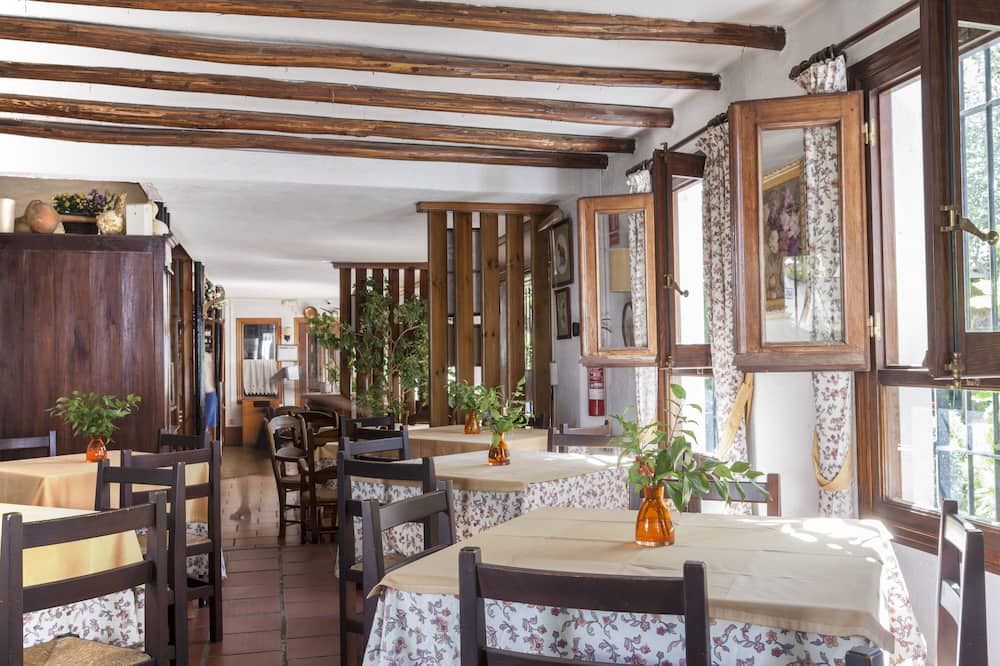
Alcadima pairs an outdoor saltwater pool, garden and mountain views with a restaurant, sauna and hot tub in Lanjarón. Its facilities suit a stay that can balance time at the hotel with…
Read hotel guideThe art of finding somewhere wonderful.
Video by Nirjhar Basak on Pexels
Lanjarón’s character is visible in the buildings that mark different chapters of its history: a church raised on the site of a former mosque, the remains of a castle on a rocky rise, and the substantial brick building of its celebrated balneario. Together, they offer a way into the town’s past without reducing it to a single monument or period.
The Iglesia de la Encarnación stands on the site of the former mosque. Its story reflects the upheavals of the sixteenth century: the first church was built between 1555 and 1560, then destroyed during the Morisco revolt in the Alpujarras. The present building brings together Gothic, Renaissance and Baroque elements, with Baroque the most prominent. Its three naves are linked by round arches, while the raised presbytery and the tower at the foot of the church give the interior and exterior distinct points of focus.
Look up to find another layer of its history in the timber roof structures over the central nave and main chapel. The square tower, built of brick on stone foundations, has a slate spire. The church’s story is also described through its Mudejar ceiling and the Baroque and Churrigueresque sections of its main altarpiece: details that make this a place to notice as well as a landmark to identify.
Only ruins remain of Lanjarón’s Almoravid castle, set on a rocky promontory at about 300 metres above sea level. Its steep, difficult-to-reach position was chosen for its command of routes towards the Alpujarra and between Granada and the coast. Sections of the enclosing wall and two masonry towers survive; the southern tower, known as the Torre del Homenaje, contains a cistern. The setting helps explain the castle’s strategic role, even in its ruined state.
A different kind of landmark is the Balneario de Lanjarón. Built between 1928 and 1930, its large, two-storey brick building was designed to house medicinal springs. The ground-floor hall held the springs used by visitors seeking their waters, while the upper floor was planned as a grand room for parties and dancing. Its brick pilasters divide the façade into vertical sections, giving the building a strong, formal presence. The Capuchina spring, situated further down the slope, had its own building.
These places reveal Lanjarón through distinct uses of architecture: worship, defence and the organised enjoyment of medicinal waters. The town’s story is not confined to one surviving structure; it is legible in the contrasts between them.
Alcadima pairs an outdoor saltwater pool, garden and mountain views with a restaurant, sauna and hot tub in Lanjarón. Its facilities suit a stay that can balance time at the hotel with…
Read hotel guide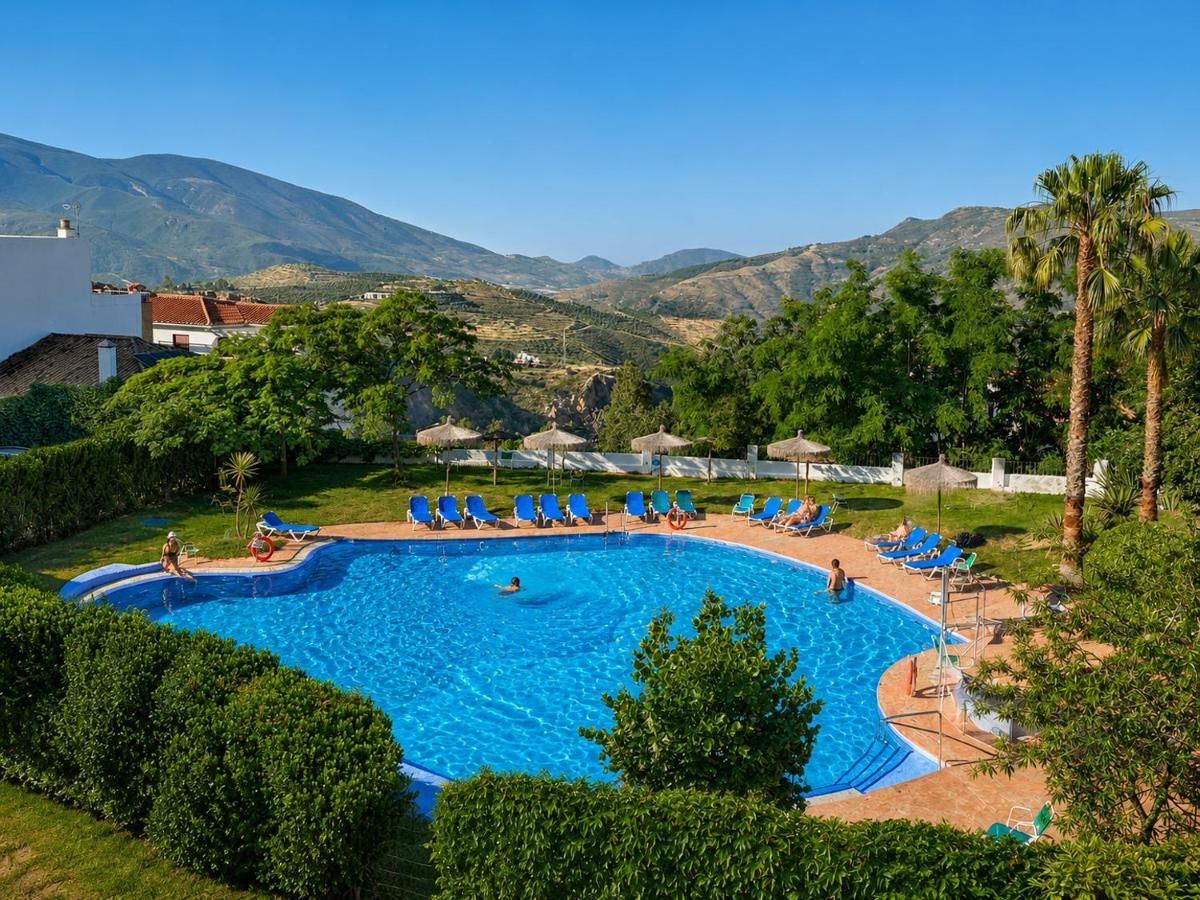
Hotel Andalucía pairs indoor and outdoor pools, a children’s pool and practical family facilities with a stay in Lanjarón, a town whose visitor history is closely tied to its mineral springs and…
Read hotel guide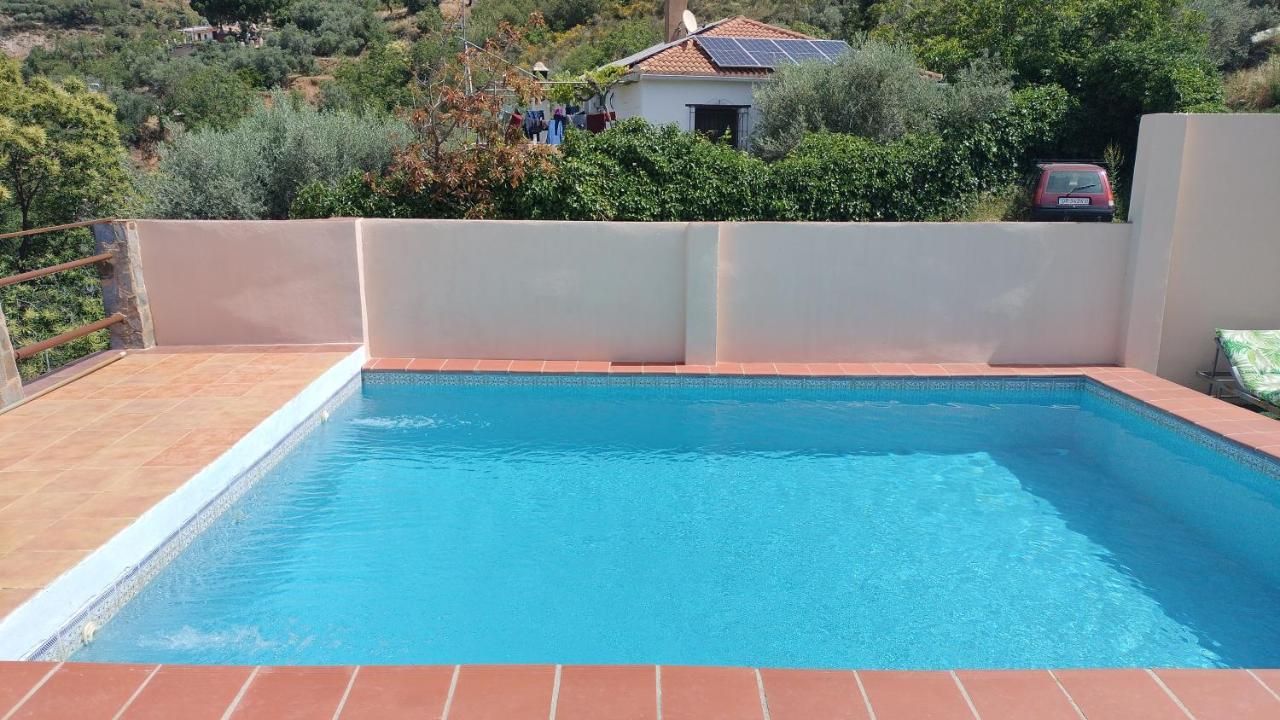
With a private pool, open-air bath, kitchen and garden, Casa Rural La Encina 2 offers an independent house stay in Lanjarón. Its self-catering facilities and the town’s long spa tradition make different…
Read hotel guide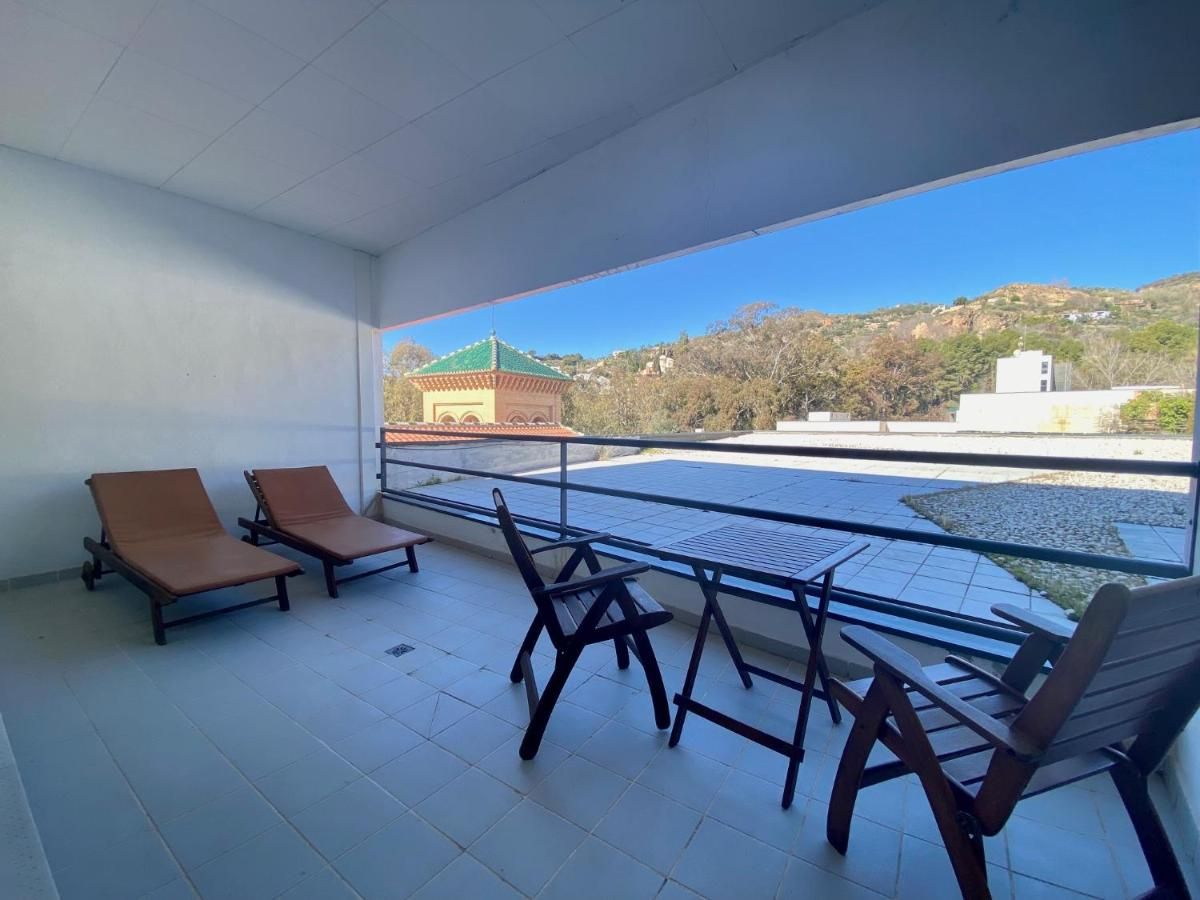
With a hot spring bath, steam room, spa, massage and outdoor pool, Hotel Balneario de Lanjarón makes wellness central to a flexible hotel stay. Its restaurant, family facilities and setting in a…
Read hotel guide
Miramar Hotel pairs a 24-hour front desk and free parking with air-conditioned rooms, Wi-Fi and a few on-site extras, including a playground and pool table. Its Avenida Alpujarra address places the stay…
Read hotel guide