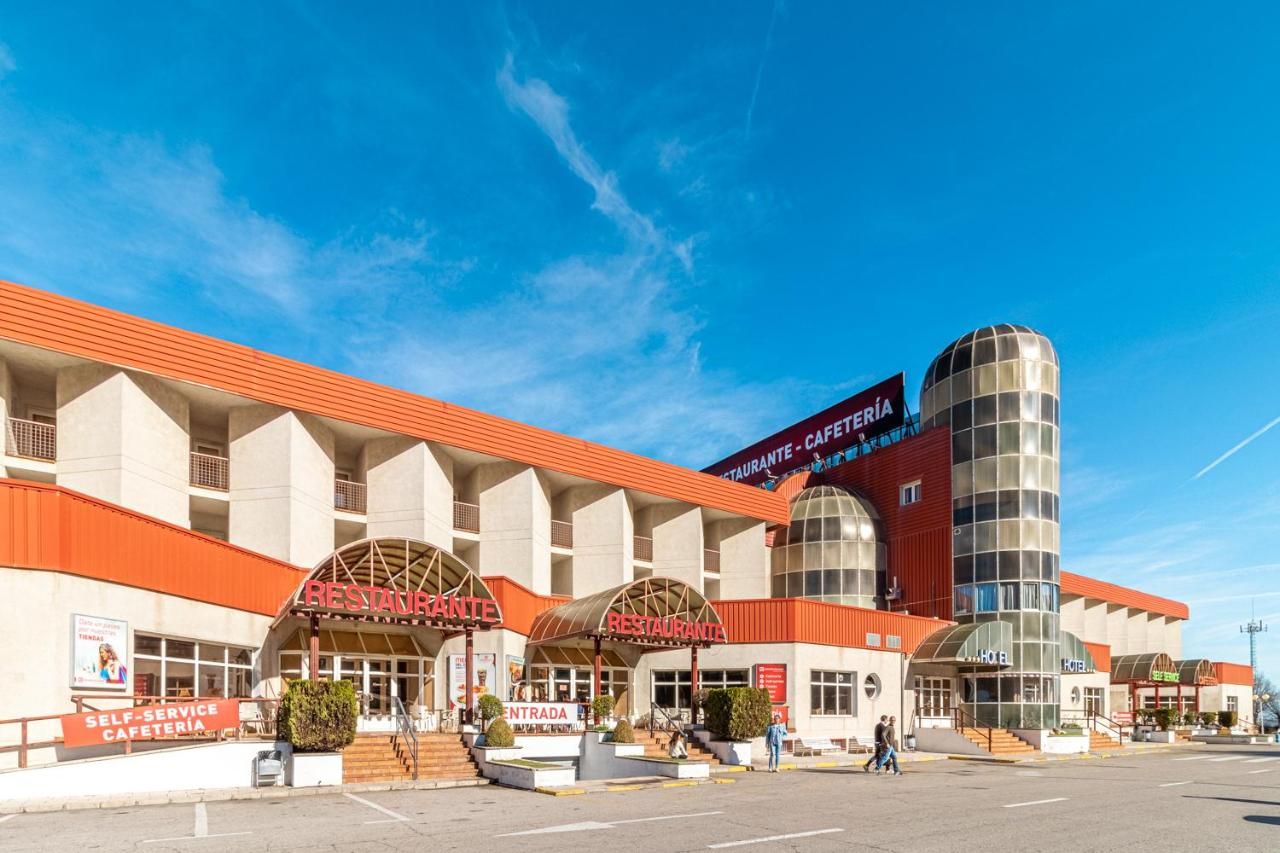
Area Manzanil, Loja
At kilometre 190 of the A-92, Area Manzanil pairs free parking and a 24-hour front desk with a restaurant, bar and coffee shop. Family and interconnected rooms, lifts and meeting facilities make…
Read hotel guideThe art of finding somewhere wonderful.
Video by Nirjhar Basak on Pexels
Loja’s historic centre is written into its terrain. The older town climbs the slopes below the Alcazaba, while the Río Genil runs through the broader setting at the foot of the Sierra de Loja. From this rising pattern of streets, the fortified height and church towers give the town a distinctive outline: an urban landscape in which topography and history remain closely connected.
The Alcazaba preserves sections of its medieval enclosure, an octagonal tower and a notably well-preserved Nasrid cistern. Its remains point to Loja’s strategic role on the frontier of the Nasrid Kingdom of Granada: the fortress had visual links with a wider chain of watchtowers intended to monitor troop movements. The steep rocky position helps explain why the stronghold was once regarded as difficult to reach.
Below it, the Plaza de la Constitución forms the civic heart of the Renaissance town. The former Casa de Cabildos, now the municipal library, served as the seat of the local council from its construction in 1490 until 1927. Its façade retains the round-arched arcade characteristic of Loja’s public buildings. Nearby, the Pósito recalls a period of expansion beyond the old walls: work on this former grain store began in 1550, and its entrance leads into a gallery arranged around a courtyard.
Loja’s churches reveal contrasting architectural chapters. Iglesia de San Gabriel, built in the sixteenth century and associated with Diego de Siloé, is among the notable examples of Granada Renaissance architecture. Its single nave, decorated vaulted chapel and sculpted side portal reward attention to detail. Iglesia Mayor Santa María de la Encarnación combines a sixteenth-century Gothic-Mudéjar phase with an eighteenth-century Neoclassical one, while the Iglesia de Santa Catalina stands in the popular Barrio Alto, where its tower rises above the surrounding white houses.
The town’s historic fabric is not only monumental. Its continuous development across the slopes has left a characteristic stepped silhouette, with domestic architecture set among prominent religious and defensive landmarks. The former residence and gardens of General Narváez add another layer: the gardens at Plines bring together French-style geometric design and nineteenth-century Romantic elements, with winding paths, parterres, fountains and mature trees.
Loja’s archaeological story reaches far beyond its medieval defences. At Sierra Martilla, a high plateau in a landscape of olive groves, cereal fields and Mediterranean scrub, the remains span prehistoric settlement and burial, later occupation and a late-antique cemetery. A group of Copper Age megalithic tombs sits alongside rock-cut graves and the remains of an Andalusi watchtower. Together, these sites give Loja a sense of time measured not in one celebrated monument, but in successive lives shaped by the same varied ground.
At kilometre 190 of the A-92, Area Manzanil pairs free parking and a 24-hour front desk with a restaurant, bar and coffee shop. Family and interconnected rooms, lifts and meeting facilities make…
Read hotel guide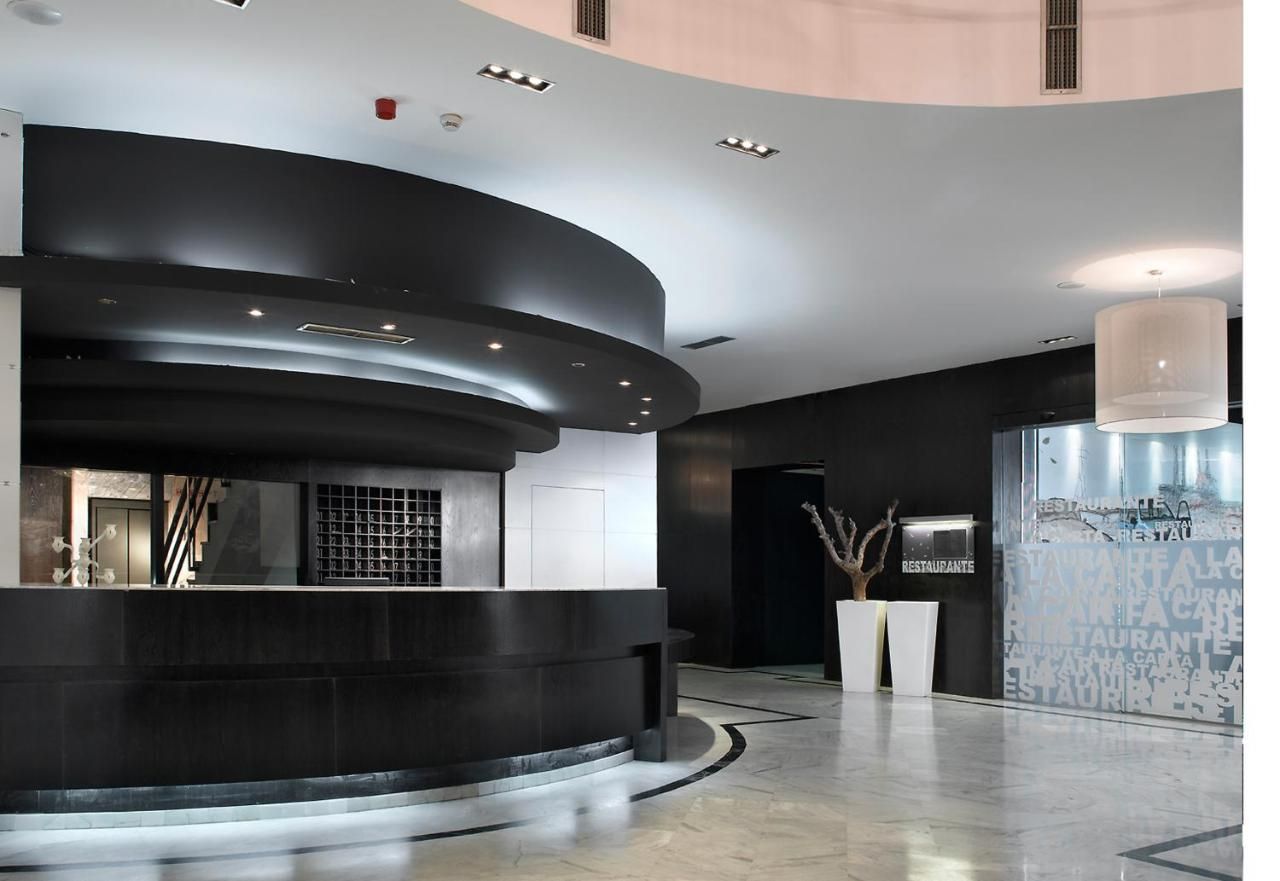
Hotel Abades Loja pairs a 24-hour front desk and free parking on the A-92 with a restaurant, bar and coffee shop. Its practical full-service set-up provides a straightforward base for discovering Loja’s…
Read hotel guide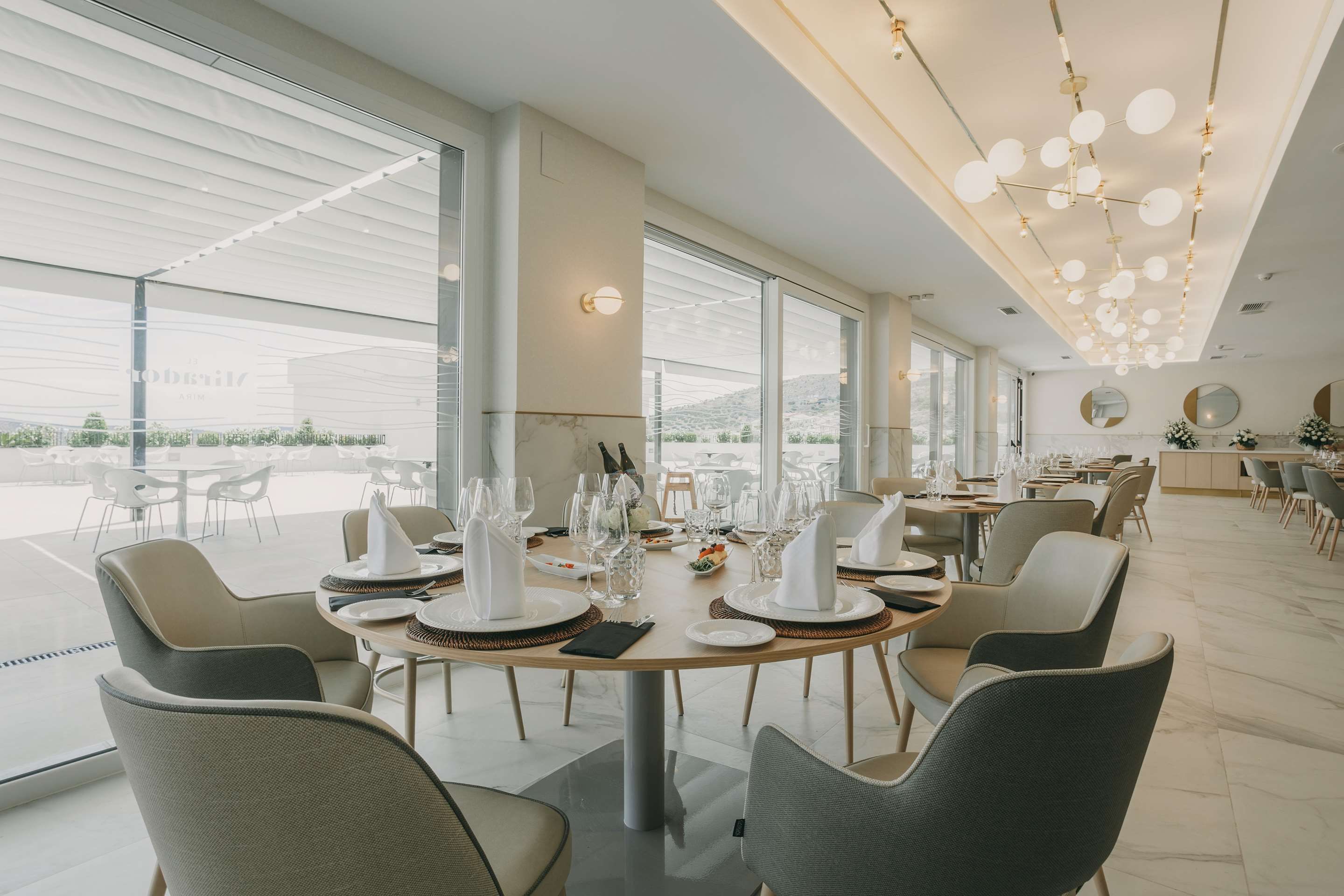
Hotel El Mirador combines a restaurant, bar, meeting facilities and a substantial spa, including a hammam and sauna, in Loja. Lift access, family rooms and clear arrival times add practical detail to…
Read hotel guide