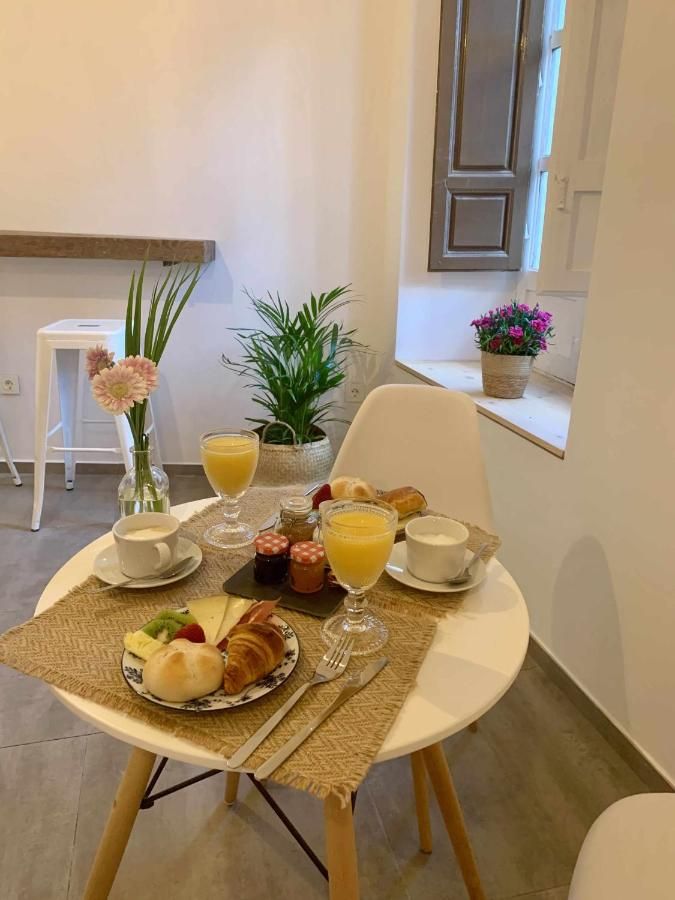
Casa Del Azúcar, Motril
Casa Del Azúcar pairs breakfast and daily housekeeping with an outdoor pool, plunge pool and terrace in Motril. The museum preserves part of the former mill, while the same complex also houses…
Read hotel guideThe art of finding somewhere wonderful.
Video by Nirjhar Basak on Pexels
Motril’s past can be read in two closely connected strands: the religious landmarks that shaped its historic centre, and the sugar industry that left its mark on the town’s buildings. Together they give this Costa Tropical municipality a character more layered than a simple seaside destination. Its heritage is not confined to one monument; it is distributed across churches, former industrial sites and the urban fabric between them.
The Iglesia Mayor de la Encarnación is among Motril’s most revealing historic buildings. Constructed between 1510 and 1514 on the site of the former Alixara mosque, it began as a stark Gothic-Mudéjar church, with a defensive purpose reflected in its original fortified character. Later alterations brought further architectural layers, including a Renaissance-style transept. An explosion in 1938 destroyed much of the building; its reconstruction restored part of the original Mudéjar character. The result is a structure whose present form carries the marks of successive periods rather than a single architectural vision.
On a promontory, the Santuario de Nuestra Señora de la Cabeza has its own long account of change. A Nasrid fortress once stood here, followed by an earlier hermitage. The present sanctuary was built between 1631 and 1643 by Isidro Lachica and substantially restored after damage in 1936. Its single nave, Latin-cross plan and domed interior offer a more intimate contrast to the scale and defensive history of the Iglesia Mayor. The shrine is associated with the Virgen de la Cabeza, Motril’s patron, and a local tradition tells of Portuguese sailors bringing her image to the town after a storm at sea.
Motril’s heritage also reflects the importance of sugar production. Casa de la Palma grew from a sixteenth-century sugar estate, first connected with an ingenio and later with the town’s industrial history. Its U-shaped form and surviving interior details offer a different kind of historical evidence from the churches: the story of production, ownership and changing civic use. The former industrial site of the Fábrica Nuestra Señora de la Cabeza preserves buildings associated with the sugar works, including a chimney and factory structures that survived a fire in 1901.
These places make Motril’s history tangible without reducing it to a single era. The churches preserve traces of worship, defence and rebuilding; the former sugar buildings recall an industry that helped shape the town. For visitors, exploring that architectural variety offers a rewarding way to understand Motril as a historic town as well as a coastal destination.
Casa Del Azúcar pairs breakfast and daily housekeeping with an outdoor pool, plunge pool and terrace in Motril. The museum preserves part of the former mill, while the same complex also houses…
Read hotel guide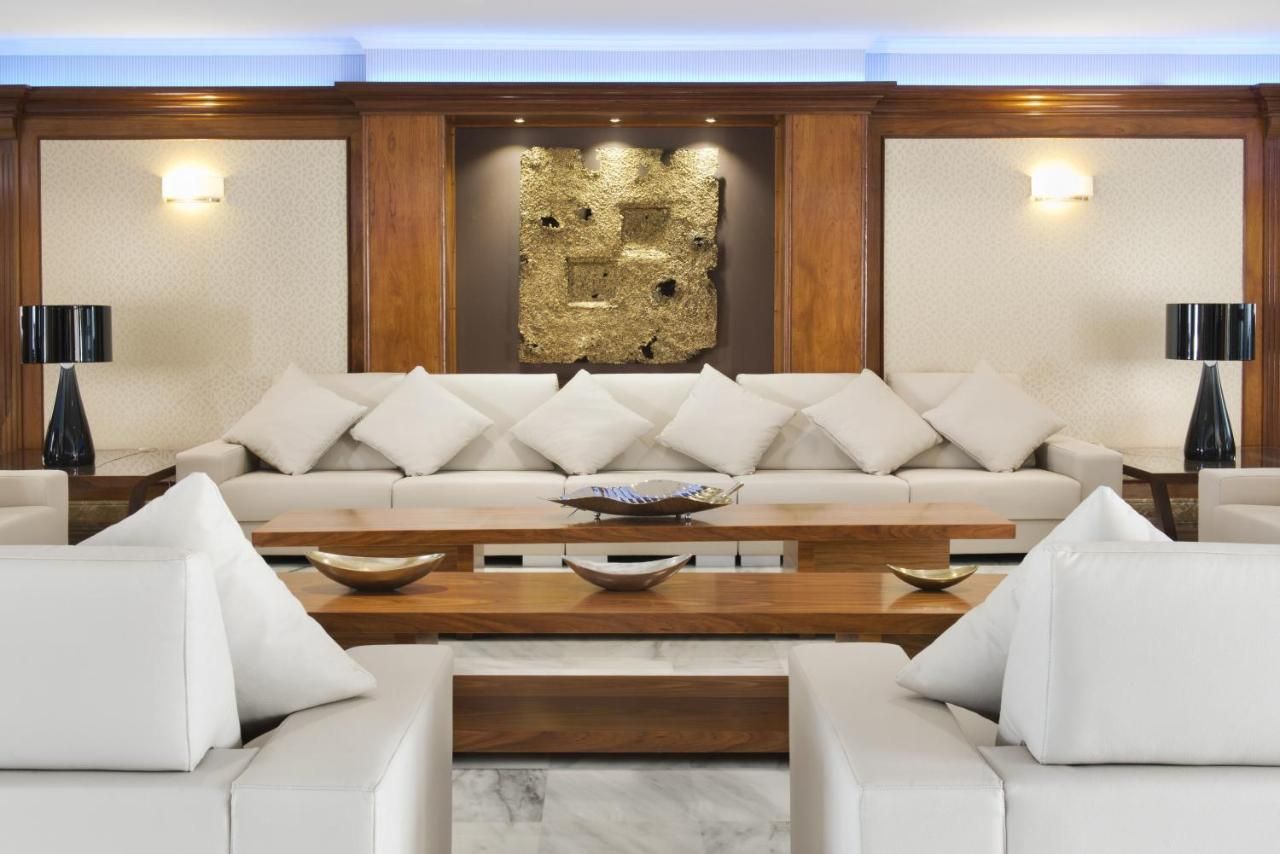
With indoor and outdoor pools, family facilities and meeting space, Elba Motril Beach & Business Hotel serves both leisure and work-related stays. Its Motril setting brings coastal character together with a rich…
Read hotel guide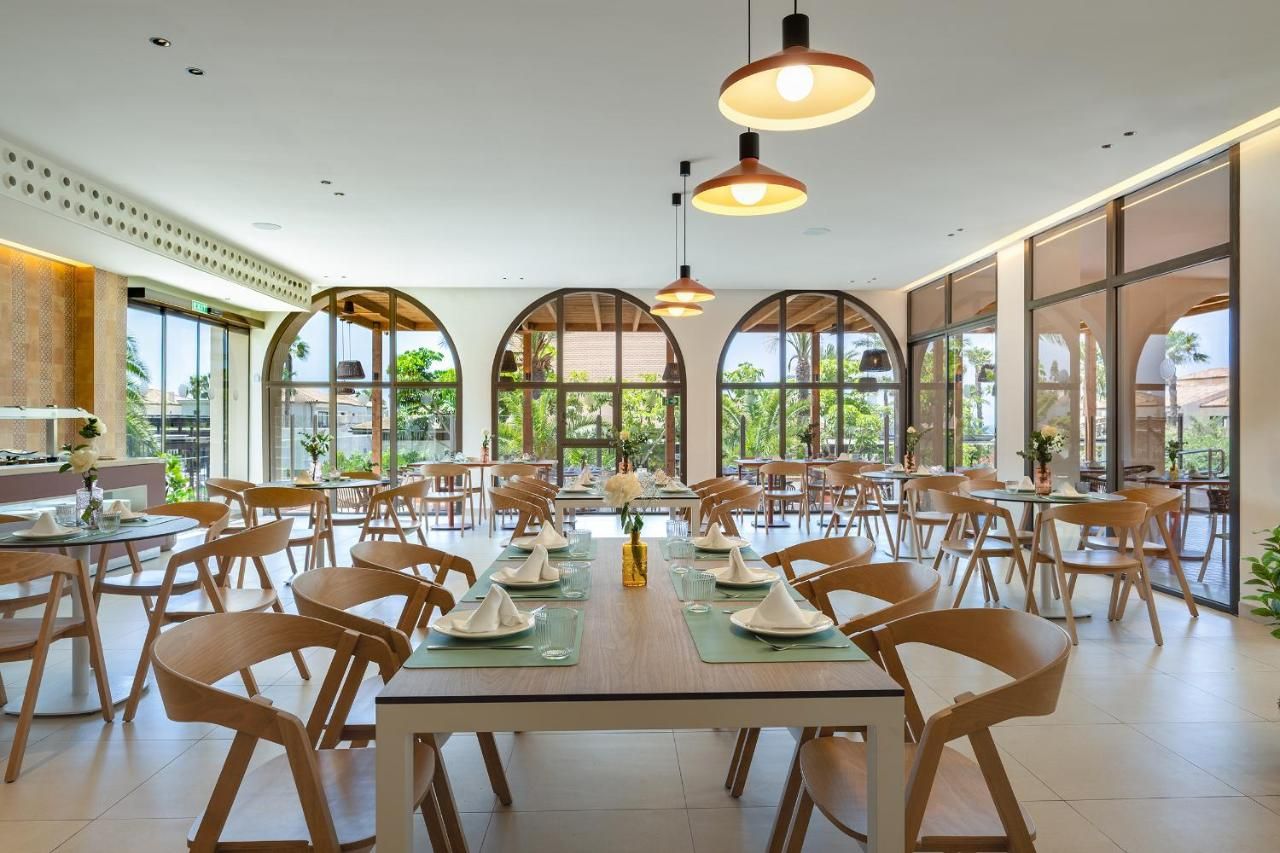
A four-star beachfront hotel in Motril, Impressive Playa Granada Golf combines golf, beach access, pools, family facilities and wellness options. The town’s sugar-making heritage and historic sanctuary add cultural context to a…
Read hotel guide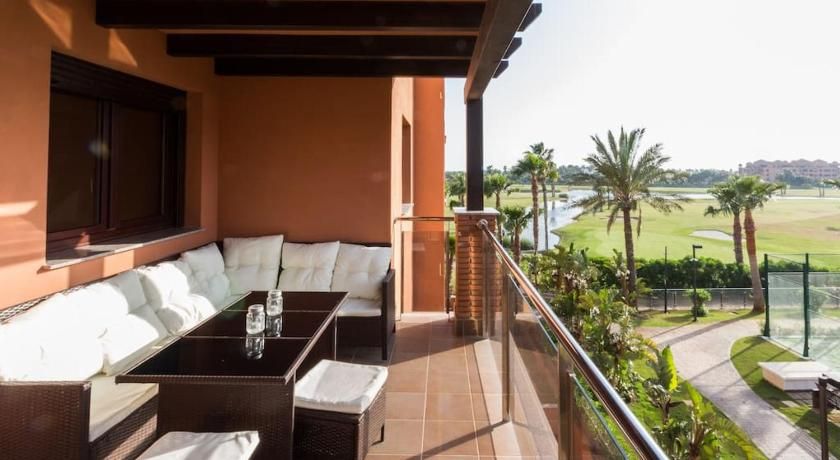
A beachfront Motril apartment with a kitchen, balcony and garden, Pushe Playa Granada Beach&golf 1 combines self-catering independence with listed wheelchair accessibility, family facilities and varied options for outdoor activity.
Read hotel guide