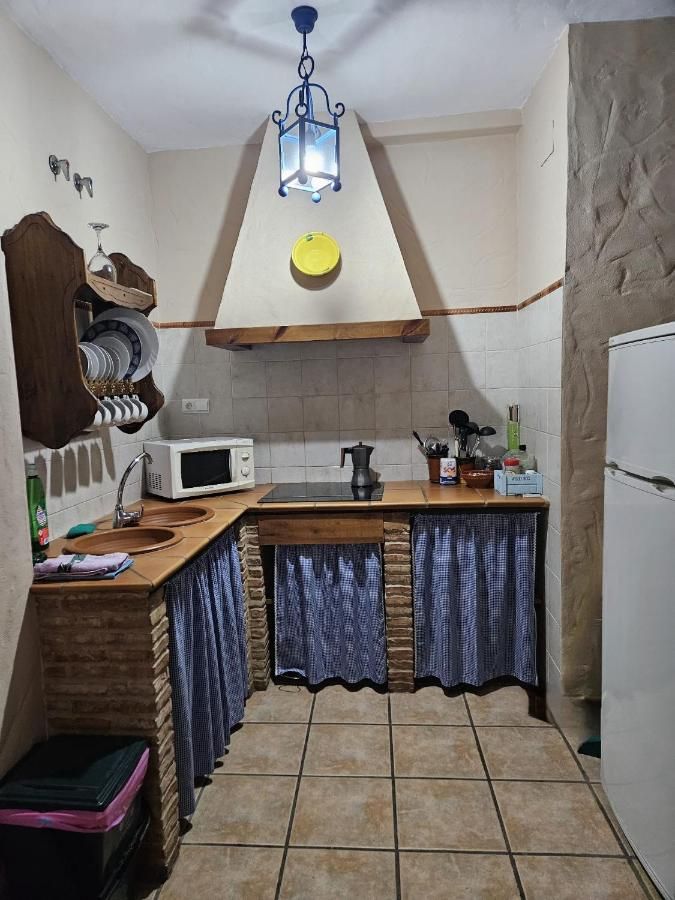
Meson Rural Iptuci, Prado del Rey
A three-star rural hotel in Prado del Rey, Meson Rural Iptuci combines a restaurant and bar with mountain views, family rooms and practical comforts. Its setting offers a glimpse of the town’s…
Read hotel guideThe art of finding somewhere wonderful.
Video by Nirjhar Basak on Pexels
Prado del Rey’s character emerges through the practical structures of everyday life: a church that has served as a local centre, a public water point, an inland saltworks and houses arranged around patios. Rather than a single landmark telling the whole story, these places offer different ways to understand the town’s built and working heritage.
At the exit towards the Colada de Bornos stands El Pilar de Prado del Rey I, a narrow rectangular stone trough attached to a wall that also contains a water deposit. Water reaches the pillar through an internal channel, and an outlet in the wall allows it to drain when the trough is close to overflowing. Its significance lies not in grand scale but in its place within an older local water-supply network: the pillar has been used collectively and retains a role as an occasional alternative to the municipal supply.
A different kind of resource is preserved at the Salinas de Iptuci, also known as the Salinas de Raimundo. These inland saltworks use naturally saline spring water, guided through channels and successive holding areas before reaching shallow pools. Sun and wind evaporate the water; once the salt has formed, it is gathered and left to dry. The sequence makes the landscape legible as a record of human work, shaped around the careful handling of water rather than the coast.
The domestic heritage recorded in Prado del Rey is equally specific. Traditional houses make use of patios as organising spaces, linking rooms, kitchens and upper storage floors. Their details vary: one documented home has a small flower-filled patio and a brick-floored upper storey; another is arranged around a central courtyard, with a cistern beneath the sitting room. Stone, lime, timber, tiles and whitewashed surfaces recur in these descriptions, but each house has its own arrangement and surviving features.
Another craft-related structure, the Horno de Mulero, is a traditional oven built against a farmhouse. Its central fire heats a brick floor and a domed vault; salt spread over the bricks helps bind them as the oven is heated. The account describes a construction technique as much as an object, revealing the knowledge invested in making a durable working oven.
The Parroquia de Nuestra Señora del Carmen provides a larger communal focus. Dating from the early eighteenth century, it has three naves, a bell tower and side chapels; its interior includes retables associated with six local brotherhoods. The church’s architecture and continued significance to those brotherhoods add a collective dimension to the smaller-scale evidence of homes, water and work.
Together, these places suggest a Prado del Rey best approached through close attention to how its buildings served shared, domestic and productive life. The town’s heritage is not a single story but a set of connected practices, preserved in structures made for use.
A three-star rural hotel in Prado del Rey, Meson Rural Iptuci combines a restaurant and bar with mountain views, family rooms and practical comforts. Its setting offers a glimpse of the town’s…
Read hotel guide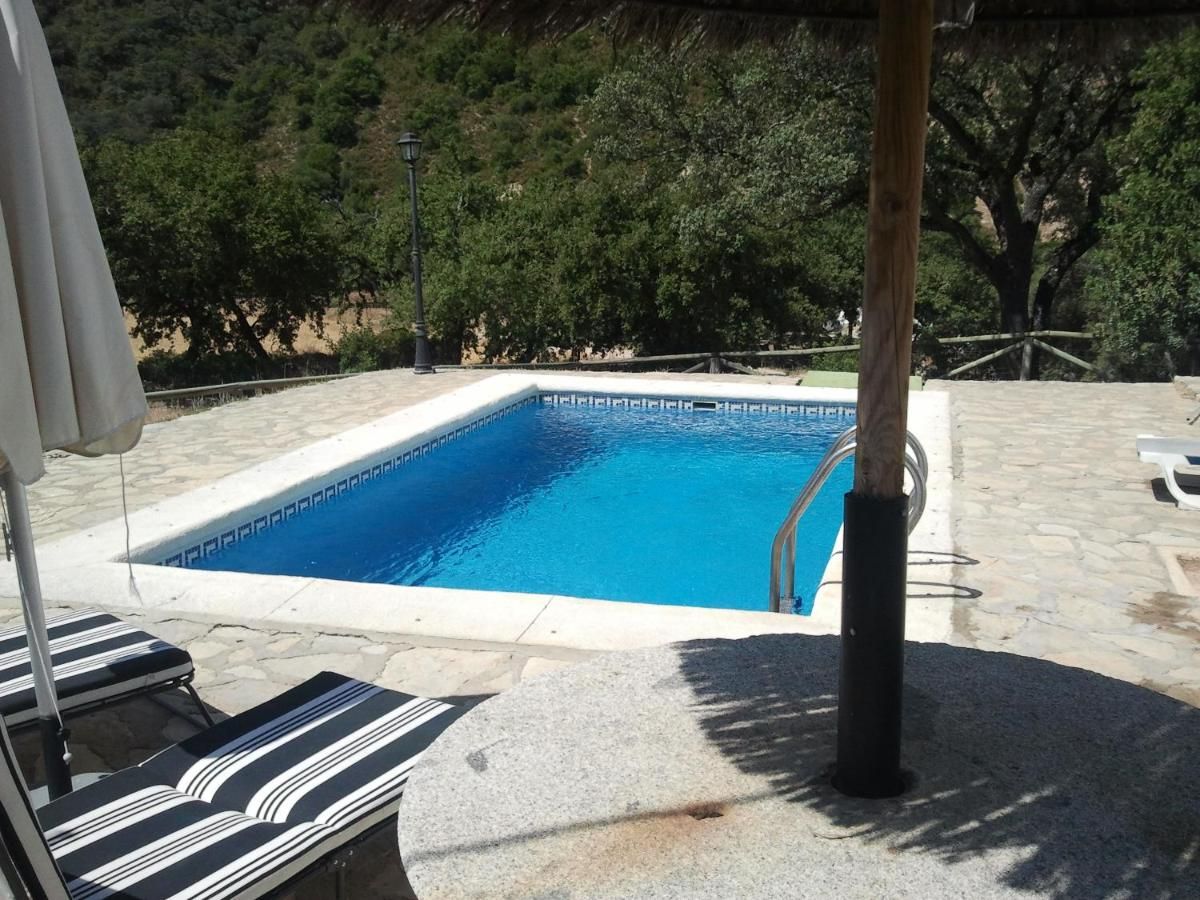
Rancho Calvillo pairs an outdoor pool and garden with a kitchenette, family-friendly provisions and mountain views in Prado del Rey. Its terrace and outdoor dining area suit a self-directed stay, with local…
Read hotel guide