Hotel Sierra de Ubrique
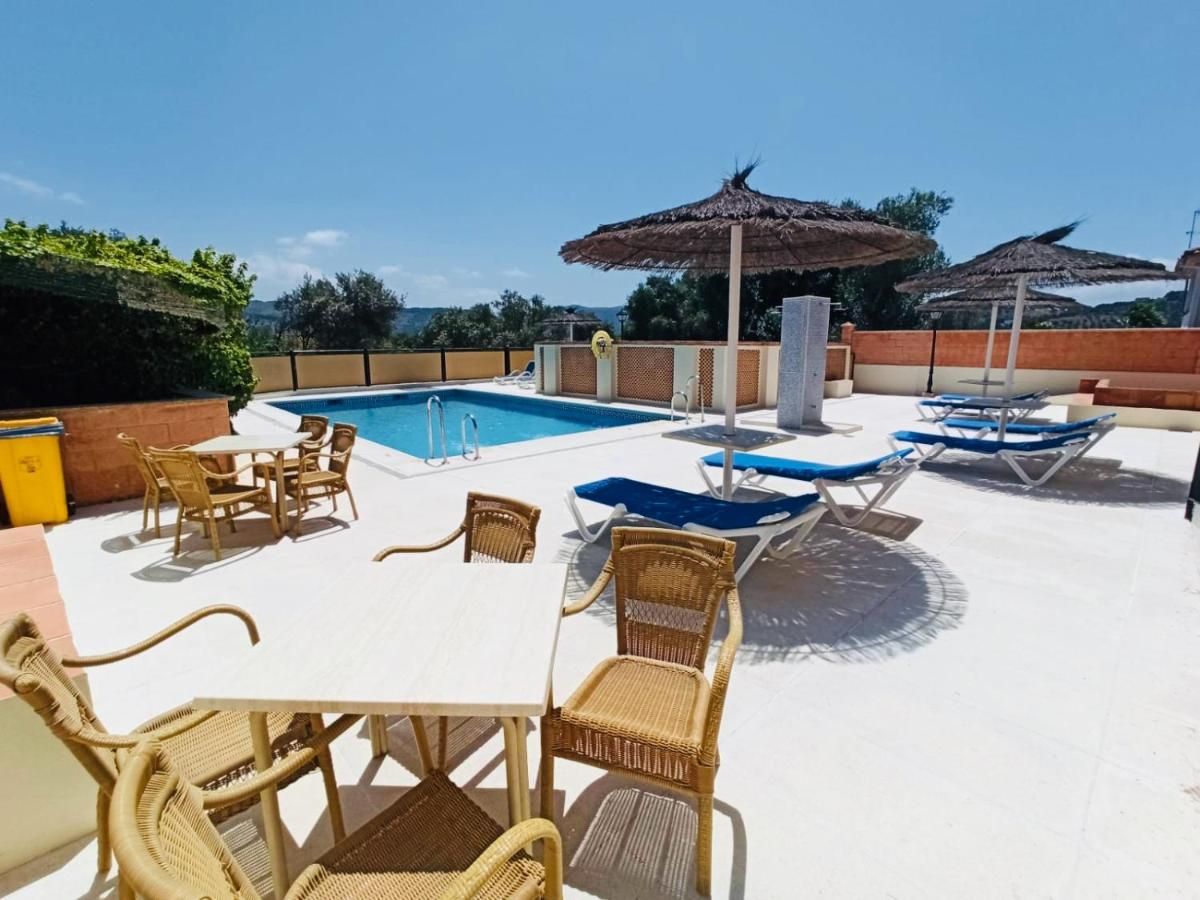
Hotel Sierra de Ubrique pairs an outdoor pool and mountain views with a restaurant, bar, free parking and family-friendly room options. Its practical facilities make it a flexible hotel stay in a…
Read hotel guideThe art of finding somewhere wonderful.
Video by Nirjhar Basak on Pexels
Ubrique’s character is written in the close relationship between its streets, places of worship and surrounding terrain. Its heritage ranges from a medieval stronghold on a limestone spur to modest urban landmarks and buildings shaped by the work of leather. Rather than a single monument defining the town, these varied traces offer several ways to read its history.
The Iglesia Parroquial de Nuestra Señora de la O faces both Plaza Fatou and Plaza del Ayuntamiento. Inside, three longitudinal naves are divided by Tuscan columns and rounded arches; painted domes above the chapels add colour to an otherwise notably restrained stone exterior. Nearby, La Pila is more than a decorative fountain: its four outlets, carved-stone basin and position beside the town hall have made it part of a shared civic space.
Another distinctive silhouette belongs to the Ermita de San Antonio. Its bell-gable, with three lower arches, a clock and an upper bell opening, has become an emblem of Ubrique. The building’s story has changed with its use: once an hermitage, it served as the parish church after a seventeenth-century reorganisation. A small courtyard and surviving elements of a seventeenth-century altarpiece add quieter details to its architectural history.
Beyond the built-up centre, Castillo de Fátima occupies a steep rocky spur on the southern flank of the Sierra de la Silla. Built in the Andalusi period, it commanded the valley of the river Ubrique and formed part of a wider chain of watchpoints. Its strategic position helps explain why Nasrid and Castilian forces contested control of it before it passed to the dukes of Arcos late in the fifteenth century. The contrast between this elevated defensive site and the town’s compact streets gives Ubrique’s history a particularly tangible sense of scale.
Work, too, has left its mark on the landscape. The former Venegas Añón leather-goods factory was set across the course of the Majaceite, using water in the treatment of hides. Its divided ground floor allowed pedestrians to cross the stream, while machinery and work areas occupied the floors above. The building records an industrial relationship between craft, water and architecture without reducing the town’s story to a single trade.
Ubrique’s heritage also reaches further back in time. The Dolmen del Juncal, a long gallery tomb probably dating to the first half of the fourth millennium BC, was moved from the inundation area of the Charco de los Hurones reservoir to Cerro Mulera. Its decorated stone slabs carry an older history than the churches and fortress, while their relocation is part of the monument’s own story. Together, these places reveal a town shaped by changing beliefs, strategic terrain and skilled work.
Hotel Sierra de Ubrique pairs an outdoor pool and mountain views with a restaurant, bar, free parking and family-friendly room options. Its practical facilities make it a flexible hotel stay in a…
Read hotel guide