Alájar
From prehistoric traces on the Peña de Arias Montano to water-powered industry and homes adapted to the Sierra’s slopes, Alájar’s heritage is closely tied to its landscape.
The art of finding somewhere wonderful.
Video by Nirjhar Basak on Pexels
Andalucía’s character is not captured by a single landscape or historical layer. In the places considered here, it emerges through contrasts: a steep-sided valley watched over by a castle, prehistoric settlements shaped around hillsides, river-facing heights and villages whose older buildings still reveal the work once done within them. This is a selection of places, not an exhaustive guide to the region.
At Albanchez de Mágina, the remains known as the Castle of Albánchez occupy the eastern slope of La Serrezuela, at about 950 metres above sea level. The terrain dictates the arrangement: the inner enclosure lies below the upper fortified section, whose compact spaces include a tower, chambers and a small triangular courtyard. The setting makes the relationship between settlement and defensible ground unusually legible.
Another kind of elevated site appears at Camas, where El Carambolo occupies a rise on the eastern edge of the Aljarafe above the lower Guadalquivir valley. Its position offered control of the river and nearby land routes. At Ayamonte, by contrast, the defensive story reaches towards the coast: the sixteenth-century Tower of Isla Canela stands amid marshland and sandy ground, while the Hornabeque del Socorro represents later adaptation of a medieval fortification to changing military methods.
These are not interchangeable castle stories. At Almedinilla, the Cerro de la Cruz was an Iberian settlement arranged in terraces cut into a limestone hill. Excavations have revealed planned streets and working and living spaces; evidence of a destructive fire in the late second century BC helps explain why parts of its layout survived. In Torreperogil, medieval fortification is present in the remains of towers and walls at Torres Oscuras and in the surviving Torreón Cuadrado, though the archaeological remains are fragmentary.
Some of the region’s most striking evidence reaches much further back. Around Gorafe, dolmens are distributed along the valley of the River Gor; the supplied records describe a large, varied group of megalithic tombs, including the concentration at Las Majadillas. Their different plans and traces of repeated use give this landscape a long human history, rather than a single moment of construction.
The Cuevas de Santiago at Cazalla de la Sierra preserve archaeological evidence associated with Neolithic and Chalcolithic occupation. Near Albanchez de Mágina, the story of the Cuevas de los Castillejos is less intact: the site has been destroyed by a sand quarry, though pottery fragments were recorded there. Such differences matter. The past is sometimes encountered through substantial remains, sometimes through the limits of what has survived.
At Posadas, the Torre del Ochavo belonged to a system of watchtowers associated with routes through the Sierra Morena and the nearby mining area. The mines of La Plata add another layer: records describe long-standing extraction and later workings, with evidence of earlier mining activity and the remains of industrial buildings. Together, they suggest a landscape shaped not only by defence but by the movement of people and the demands of work.
Not every landmark is a fortification or archaeological site. In Laujar de Andarax, the town hall’s three-storey brick façade is arranged around a central arcade, with a commemorative inscription dating its construction to 1792; a richly ornamented fountain in the main square offers a smaller-scale counterpart. At Dólar, the parish church of Nuestra Señora de la Anunciación, dated to 1673, is distinguished by its Baroque dome, while the Ermita de San Andrés retains a popular Mudéjar-style wooden ceiling.
Religious buildings also record change over time. Monachil’s Church of the Encarnación, established in 1501, has a sixteenth-century altarpiece associated with the Renaissance tradition of Granada. In Almedinilla, the present parish church replaced an earlier building, of which the stone bell gable survives in its atrium. At San Juan de Aznalfarache, churches and chapels preserve different architectural histories, including a former Franciscan church built in the first half of the seventeenth century and an eighteenth-century Rosario chapel.
And in Viñuela, a forge and an olive mill bring attention to practical spaces: the forge retains its hearth and tools, while the mill’s surviving arrangement records the stages of pressing and storage. Across these varied places, Andalucía is best approached through particular details—stonework, terraces, towers, workshops and the ground beneath them—rather than through any claim that a handful of towns can stand for the whole region.
From prehistoric traces on the Peña de Arias Montano to water-powered industry and homes adapted to the Sierra’s slopes, Alájar’s heritage is closely tied to its landscape.
Below La Serrezuela, Albanchez de Mágina’s steep setting connects a compact rock-top stronghold, traces of an earlier settlement and a columned church.
From the Mudéjar architecture of its central church to Roman remains by the Cubillas reservoir and a Nasrid watchtower, Albolote’s heritage spans the town and its wider municipality.
From Bronze Age hill settlements and medieval watchtowers to the mountain sanctuary of El Saliente, Albox’s heritage is closely bound to its ravines, ridges and everyday architecture.
From prehistoric flint and pottery to Roman remains beside the Guadaíra, Alcalá de Guadaíra’s archaeological record spans a varied countryside and many centuries.
Explore Alcalá de los Gazules through its hilltop castle, surviving medieval walls, Renaissance civic architecture and engravings on the Laja de los Hierros.
A hilltop citadel, steep historic streets and Renaissance and eighteenth-century landmarks give Alcalá la Real a distinctive place in Jaén’s Sierra Sur.
From the layered defences of Castillo de Zalia to Neanderthal remains in Cueva del Boquete de Zafarraya, Alcaucín’s heritage reaches across centuries and deep into prehistory.
A hilltop castle, traces of medieval walls and finely detailed civic and religious buildings make Alcaudete’s history part of the town’s everyday fabric.
Aldeaquemada pairs an eighteenth-century parish church with a remarkable local record of rock shelters bearing prehistoric paintings and engravings.
Explore Algar through its traditional courtyard houses, the eighteenth-century parish church of Nuestra Señora de Guadalupe and the communal places that preserve its local story.
From the stone Church of Santa María la Mayor to hilltop remains at Pesquera and Cesna, Algarinejo’s heritage connects village devotion with a landscape of old defences.
Explore Algeciras through its Roman kiln, medieval walled cities, Torroja’s concrete market and the waterworks and coastal defences that shaped its history.
A ridge-top historic centre, steep limestone Tajos and churches spanning Gothic and Baroque styles give Alhama de Granada its distinctive character.
Explore Alhaurín de la Torre through its old quarter, artificial caves and archaeological traces of Roman, medieval and earlier settlement.
From a richly detailed hilltop church to Fahala’s fortified remains and a historic watermill, Alhaurín el Grande’s heritage is rooted in its buildings and landscape.
From an Iberian hillside settlement to a former mill turned museum, Almedinilla’s heritage reveals how people adapted the landscape for living and work.
Explore Almería through its hilltop Alcazaba, landmark civic buildings and the ironwork of its historic market, with an industrial coastline that tells another part of the city’s story.
A hilltop fortress above the Guadalquivir, a distinctive civic building and a chapel with centuries of recorded history give Almodóvar del Río its particular character.
Medieval hilltop fortresses, painted rock shelters and traditional homes give Almogía a layered history rooted in its landscape.
Between river valleys and the Mediterranean, Almuñécar brings together the remains of ancient Sexi, a Roman aqueduct and a hilltop castle.
Beneath the castle of Álora, a historic town centre and evidence of ancient settlement reveal the many layers of life along the Guadalhorce.
Explore Andújar through its patios, churches and surviving defences, then follow the story of its historic bridges beyond the town centre.
Explore Antequera’s steep old lanes, hilltop fortifications, Renaissance churches and brick-built historic houses, where local limestone gives the town’s architecture a distinctive character.
Aracena’s steep historic centre unfolds beneath a hilltop castle, where defensive walls, churches and civic buildings reveal how the town adapted to its terrain.
From the walled heights of the Cerro de la Virgen de Gracia to churches layered with architectural detail, Archidona rewards a closer look at its built heritage.
Discover Arcos de la Frontera through its steep old streets, Andalusian walls and churches shaped by centuries of Gothic, Renaissance and Baroque building.
From a Mudéjar-influenced parish church to a frontier castle above the Turón and a vast limestone cave, Ardales brings its built heritage and rugged setting into close focus.
Arenas del Rey’s rebuilt nineteenth-century village stands amid a landscape marked by megalithic burial sites and archaeological traces of earlier settlement.
Arjona’s hilltop brings together traces of a pre-Roman settlement, Almohad defences and churches shaped by centuries of rebuilding.
Set between the Guadiana and the Portuguese frontier, Ayamonte brings together an old hilltop quarter, a historic port district and layers of river and coastal defences.
In Baeza, medieval gateways, ornate civic façades and arcaded courtyards reveal a town shaped by changing architectural styles and civic history.
Coastal salting sites, marshland settlements and layered monuments reveal Barbate’s long relationship with the sea and the land around it.
Explore Baza through its medieval street pattern, surviving Alcazaba, historic baths and churches, Renaissance civic buildings and archaeological remains reaching back to the Iberian period.
From Bronze Age and Roman traces to a Carmelite convent and two distinctive bridges, Beas de Segura’s heritage reveals successive layers of settlement and building.
Benahavís’s fortified landscape brings together the high stronghold of Montemayor, scattered defensive towers and traces of the lost settlement of Tramores.
Coastal watchtowers, traces of prehistoric settlement and hillside modernism reveal the varied architectural history of Benalmádena.
Courtyard houses, an eclectic parish church and painted rock shelters in Sierra Momia reveal the varied heritage of Benalup-Casas Viejas.
Explore Bérchules through its terraced settlement landscape, steeply descending Acequia Nueva, Mudéjar parish church and distinctive historic flour mill.
Explore Berja through its defensive tower, varied chapels, ancient settlement remains and the cisterns that reveal a long history of living with water.
Bornos brings together a hillside historic centre shaped around a medieval fortress, a Renaissance palace courtyard and the striking geometric plan of nearby Coto de Bornos.
Explore Bujalance through its Baroque chapel, distinctive churches and the mills and grain stores that preserve traces of working life.
From Copper Age finds and Roman settlements to Baroque church architecture and red-marble quarries, Cabra’s heritage reveals many layers of life in its municipality.
Explore Cádiz through its historic courtyards, varied churches, market galleries and distinctive shore-side balneario.
Between the Guadalquivir and the Aljarafe, Camas brings together a striking landscape, traces of ancient settlement and the layered agricultural heritage of Gambogaz.
A high Sierra de Alta Coloma fortress, a three-naved Mudéjar-roofed church and courtyard houses reveal the layered heritage of Campillo de Arenas.
Discover Campillos through its hilltop Ermita de San Benito, courtyard houses, traces of historic trades and the rock-cut burial structures of Las Aguilillas.
A surviving Mudéjar tower, a former silk-trade building and modest historic houses reveal Canillas de Aceituno through its architectural details and everyday heritage.
A whitewashed Alpujarran village arranged along the steep contours above the Poqueira ravine, where winding lanes, traditional houses and historic buildings reveal a close bond with the hillside.
Carboneras grew around its coastal castle. Its watchtower, Mesa Roldán battery and volcanic summit reveal a coastline shaped by defence and geology.
Carcabuey’s heritage brings together hilltop hermitages, woodland and archaeological traces of prehistoric, Roman and medieval life.
Explore Cardeña through its scattered archaeological remains: hilltop fortifications, a stone-built settlement and the unresolved clues they preserve.
From prehistoric settlement traces and ancient defences to Roman civic remains and a Mudéjar hermitage, Carmona’s heritage spans many centuries.
Carratraca’s historic streets, hillside setting and celebrated bathing complex reveal a town shaped by its sulphurous spring and the life built around it.
From the Castillo de los Zúñiga to prehistoric river terraces and estuary remains, Cartaya’s heritage is closely connected to the Río Piedras and its changing landscape.
Explore Casabermeja through its hillside church and cemetery, and the prehistoric tombs and painted rock shelters set across its varied landscape.
From a steep, defensively shaped old centre to sulphurous baths, historic waterworks and a coastal watchtower, Casares brings together varied landscapes and layers of local heritage.
A walled Nasrid stronghold, a planned twentieth-century village and ancient traces in the surrounding landscape give Castellar de la Frontera a distinctive sense of place.
A steep, winding historic centre beneath the Peña, Castril brings together a medieval frontier castle, a Renaissance church and a landscape shaped by the Río Castril.
A hillside town in Seville’s Sierra Norte, Cazalla de la Sierra brings together a winding historic centre, traces of frontier fortifications and a landscape shaped by vineyards and olive groves.
Explore Cazorla through its ordered civic façades, late-sixteenth-century fountain, hilltop castles and the surviving architectural fragments of Santa María.
From the Río Iro’s Roman pottery sites to Baroque church architecture and coastal watchtowers, Chiclana’s history is visible across town and shore.
From a Roman pottery-producing villa to a transformed medieval castle and churches shaped by successive architectural periods, Chipiona’s history is written into its buildings.
Explore Coín’s historic churches, marble fountains and archaeological traces, from its layered old centre to the hills and sanctuary beyond it.
Explore Comares through its altered medieval defences, Mudéjar church, traditional houses and the remarkable cisterns that reflect centuries of settlement.
Fishing, fortifications and coastal watchtowers tell the story of Conil de la Frontera, from its medieval origins to the exposed shore at Castilnovo.
Explore Constantina through its hillside historic centre, medieval fortifications, religious buildings and the rural heritage of the Sierra Norte.
Patios, a Roman bridge, an unusual old market square and buildings shaped by successive eras make Córdoba a city to explore through its architecture.
Explore Cortelazor’s hillside street plan, its sixteenth-century church and the modest village buildings that reveal the rhythms of life in the Sierra de Aracena.
Civic façades, a church and family chapel, traditional mills and kilns, and traces of earlier settlement give Cortes de la Frontera a richly layered character.
Explore Cuevas del Almanzora through its layered architecture, from the Castillo del Marqués de los Vélez to civic façades and archaeological traces across the Almanzora landscape.
A medieval castle site, a restored marquis’s palace and a hilltop shrine to the Virgin of the Snows give Dílar’s heritage a distinctive range, from its settlement to the surrounding…
Dólar’s heritage spans an Arab bathhouse and traditional irrigation works, Baroque and Mudéjar religious architecture, and archaeological traces of earlier settlements.
Explore Doña Mencía through its medieval castle, the town’s early urban shape and the older fortified remains and historic routes in its surrounding landscape.
Roman settlement traces, historic agricultural estates and devotion to the Virgen de Valme reveal the layered heritage of Dos Hermanas.
Explore Écija, the ancient site of Astigi, through its Roman layers, surviving Islamic-era wall remains, palaces and churches shaped by centuries of change.
Estepa’s archaeological record reaches from an early settlement on Cerro de San Cristóbal to scattered traces of Roman rural life across its countryside.
Coastal watchtowers, Roman remains and fragments of a sixteenth-century castle reveal Estepona’s layered history and its long relationship with the shore.
Explore Frailes through its fountains and public wash-house, distinctive religious buildings, processional hill route and varied domestic architecture.
Explore Freila’s layered heritage through its castle, Andalusi watchtower and parish church, each preserving a distinct chapter in the town’s history.
Frigiliana’s winding hillside streets, terraced slopes and layered buildings reveal a close relationship between settlement, landscape and history.
A castle above the river mouth and Roman remains near the shore reveal Fuengirola’s long history as a place of coastal watch, settlement and industry.
A Sierra de Huelva village of sloping streets, abundant springs and revealing domestic architecture, with the Fuente de los Doce Caños at its heart.
Across the rural landscape around Fuentes de Andalucía, archaeological traces reveal prehistoric occupation, Roman farms and medieval settlements, each tied to a changing relationship with the land.
Galera brings together a richly layered archaeological landscape, from the Bronze Age terraces of Castellón Alto and the Iberian tombs of Tútugi to a church marked by intricate timberwork and…
Garrucha’s heritage spans a sea-facing eighteenth-century castle, the surviving chimney of a lead-smelting works and the details of its older domestic architecture.
From the high Castillo del Águila to a six-spouted Baroque fountain and historic churches, Gaucín’s heritage connects its rugged setting with the town’s civic and religious past.
Explore Gerena through its surviving fortifications, fragments of its castle, Roman archaeological remains and distinctive churches and chapels.
Explore Gibraleón through its riverside fortifications, historic churches and the striking modernist forms of Chalet Plus Ultra.
Gor brings together a transformed Nasrid stronghold, a church built over a former mosque and archaeological evidence of settlement along the river Gor reaching back to prehistory.
Gorafe’s River Gor valley brings together a remarkable concentration of prehistoric dolmens, traces of ancient settlements and medieval cave refuges carved into the cliffs.
From Albaicín cisterns and Darro-side streets to Nasrid palaces, gardens and Sacromonte’s flamenco heritage, Granada reveals its history in distinct neighbourhoods.
Explore Grazalema’s heritage through its water-powered mills, lime kilns, medieval settlement remains and a church reshaped by reconstruction.
Discover Guadix through its Roman theatre, historic centre and inhabited cave neighbourhood, where architecture and a distinctive clay landscape meet.
Guillena’s archaeological record ranges from Copper Age and Iron Age settlements to Roman farms, rural communities, a pottery kiln and a stretch of road.
Hornos clings to a rocky ridge above the Tranco de Beas, where a compact old centre, medieval defences and a long archaeological past meet the landscape of the Segura highlands.
A hilltop castle, a Renaissance church and fragments of earlier defences give Huelma a richly layered story shaped by its steep setting.
From Bronze Age settlement on its urban hills to the great mineral-loading pier on the Odiel, Huelva brings archaeology, architecture and estuary history into a distinctive cityscape.
A landmark church, a vaulted street and fortified hilltop remains reveal Huércal-Overa’s architectural character and long history in the Almanzora landscape.
Explore Isla Cristina’s architectural contrasts, from eclectic early twentieth-century houses to the remains of tidal mills and a historic rural estate.
Iznájar’s hilltop castle, medieval defences and religious heritage rise above a promontory that projects into the reservoir, while nearby archaeological remains extend the story into the surrounding landscape.
Explore Jaén through its courtyards, reused Renaissance portals, historic fountains and surviving traces of medieval and early modern city life.
Explore Jerez de la Frontera through its Gothic-Mudéjar churches, Renaissance palaces, historic bodegas and distinctive railway station.
From the remains of an Almoravid castle to a landmark balneario, Lanjarón’s buildings tell stories of defence, worship and medicinal springs.
On the northern slopes of the Sierra de los Filabres, Laroya brings together Bronze Age and medieval remains, a fragmentary hillside castle and a documented history of settlement and repopulation.
Explore Laujar de Andarax through its medieval Alcazaba, the 1792 Ayuntamiento and distinctive churches, chapels and fountain in the town centre.
Lebrija’s archaeological landscape traces a long history of settlement, from prehistoric communities to Roman sites linked with the former marsh and its waterways.
Explore Linares through the surviving tower of its former castle, historic houses with ornate balconies, and civic, religious and museum architecture.
From its hilltop Alcazaba and Renaissance civic buildings to the prehistoric tombs of Sierra Martilla, Loja’s heritage unfolds across a strikingly varied landscape.
From an ornate town hall and an eighteenth-century courtyard house to pottery-making traditions and the contrasting Guadalquivir plain, Lora del Río’s heritage is closely tied to its buildings and landscape.
A fortified castle, layered religious history and elaborate Baroque architecture give Lucena’s historic centre a character best discovered in its contrasts.
A castle transformed by archaeologist Jorge Bonsor, layered Mudéjar churches and the remains of water-powered mills reveal Mairena del Alcor’s varied past.
Explore Málaga through its Roman remains, unfinished cathedral, lively historic squares, hillside gardens and landmarks shaped by the port.
From Roman coastal villas and a Bronze Final hillfort to a watchtower and parish church, Manilva’s heritage reveals distinct layers of settlement and defence.
A Renaissance town centre, Roman remains and coastal watchtowers reveal the many historical layers of Marbella and its surrounding municipality.
Marchena’s archaeological record spans prehistoric settlement, Iberian occupation and Roman rural life, with later traces that reveal a landscape shaped by successive communities.
Explore Marmolejo through its church and distinctive market, the Guadalquivir’s industrial legacy, and traces of settlement across the surrounding plain.
Explore Martos through its hillside fortifications, the stepped Baluarte quarter and Renaissance landmarks that reveal how the town’s landscape shaped its history.
From the hillside lanes of Mijas Pueblo to the coastal centres of La Cala and Las Lagunas, Mijas brings mountain, settlement and Mediterranean shore into one municipality.
Moguer’s medieval castle, layered convent architecture and houses associated with Juan Ramón Jiménez reveal a town shaped by civic, religious and literary histories.
From a fortress-like church above the town to coastal watchtowers and prehistoric traces beside the River Aguas, Mojácar’s history is written across its streets and surrounding landscape.
Explore Monachil’s layered past, from an important Argaric settlement and a Mudéjar parish church to a historic olive mill and a rationalist mountain building.
Montefrío’s steep historic centre, contrasting churches and stone civic buildings tell one story; the caves and ancient burial grounds of the Peña de los Gitanos add a much older one.
Explore Montellano through its distinctive churches, historic fountain and wash-house, and archaeological traces of settlement across the surrounding landscape.
Explore Montilla through its churches, convent courtyards, historic houses and working heritage, from the old town’s hilltop parish to its inland saltworks.
Discover Moriles through its parish church, July and October festivities, and archaeological traces scattered across olive groves and vineyards.
From a fortified Mudéjar church to a former sugar estate, Motril’s landmarks reveal a town shaped by faith, industry and rebuilding.
Caves, coastal watchtowers and the remains of sugar and paper making reveal Nerja and Maro as a landscape shaped by water, industry and the sea.
A fortified church in the town centre and an Andalusi watchtower above it reveal two distinct layers of Níjar’s architectural heritage.
In Orce, a historic church and an eighteenth-century private palace sit within a landscape whose archaeological record reaches back millions of years.
Órgiva’s twin-towered church, octagonal hermitage and layered palace architecture reveal a town shaped by changing religious, domestic and defensive uses.
Explore Osuna through its Roman archaeological remains and a historic centre shaped by a collegiate church, former university, convents and eighteenth-century civic architecture.
Within its medieval walls, Palma del Río brings together riverside history, a striking Mudéjar cloister and the layered architecture of a town shaped by the Genil.
Terraced irrigation fields, fortress remains woven into the streets and a church tower with a military past give Pegalajar a distinctive sense of place.
A historic bridge and a seventeenth-century church give Pinos Puente a distinctive centre, while archaeological sites beside the Velillos trace a much older past.
From a rock-cut sanctuary to planned agricultural villages and citrus-drying buildings, Pizarra’s heritage reflects the many ways people have shaped its rural landscape.
From Baroque chapels and Roman villa remains to historic mines and a planned whitewashed settlement, Posadas reveals many layers of local history.
From an inn associated with an enormous oak beam to a former grain store and prehistoric rock art, Pozoblanco’s heritage rewards close attention to buildings, objects and landscape.
Explore Prado del Rey through its inland saltworks, traditional houses, public water pillar and the church at the heart of local religious life.
Set above the Río Salado valley, Priego de Córdoba brings together steeply contoured old streets, a castle rooted in the town’s Islamic past and striking churches and civic buildings.
Cave art, prehistoric burial mounds and fragmentary hilltop fortifications reveal the layered archaeological story of Puebla de Don Fadrique.
Explore Puerto Real through its Renaissance church, distinctive market, historic gardens and the shipbuilding heritage of Matagorda on the Bay of Cádiz.
Explore Pulpí through its neoclassical parish church, the iron-mining remains of Pilar de Jaravía, an historic oil mill and a hilltop calvary.
From an estuary-watchtower and Roman fish-salting remains to modernist holiday houses, Punta Umbría’s heritage reflects its life between river and sea.
Explore Quesada’s medieval streets and gateways, the remains of a Roman villa at Bruñel and prehistoric art preserved in rock shelters across the municipality.
From prehistoric caves at El Cantal to medieval Bezmiliana, coastal watchtowers and a Roman villa, Rincón de la Victoria holds a rich record of life by the sea.
A town divided by the Guadalevín’s deep gorge, Ronda brings together an intricate old street plan, historic courtyards, ancient waterworks and layered defences.
From the harbour-side Castillo de Santa Ana to the long archaeological record of Turaniana and a planned twentieth-century plaza, Roquetas de Mar reveals layers of coastal history.
Explore Rota through its changing architecture, from the layered Iglesia de Nuestra Señora de la O and a Baroque convent tower to ancient remains at El Salado and modern courtyard…
Explore Sabiote’s walled old town, where a Renaissance castle, medieval gateways and historic streets reveal the layered story of this highland settlement.
A steep historic centre, a hilltop Nasrid fortress and wide views across the Guadalfeo plain give Salobreña its distinctive character on Granada’s coast.
Explore San Juan de Aznalfarache through its layered church histories and distinctive hillside neighbourhoods on the Aljarafe cornice above Seville.
A planned hilltop town founded by Spanish residents who left Gibraltar, San Roque sits within a municipality of Baroque landmarks, ancient settlements and coastal watchtowers.
Explore Sanlúcar de Barrameda through its hilltop fortifications, Mudéjar church architecture, merchant houses and historic gardens.
A Spanish river town facing Portugal, Sanlúcar de Guadiana brings together hilltop defences, a historic parish church and traces of the mills and paths that shaped its landscape.
Set beside the Despeñaperros pass, Santa Elena brings together a measured historic centre, an eighteenth-century church and a mountainous landscape rich in archaeological traces.
Explore Santa Fe’s remarkable 1491 street plan, its surviving monumental gates and churches, and the industrial heritage of the Vega de Granada.
In the rugged southern Sierra de Segura, Santiago-Pontones brings together upland settlements, ancient rock art and archaeological traces from prehistoric and medieval times.
From a possible Bronze Age settlement to a hilltop monastery and the changing ground around Itálica, Santiponce holds a layered archaeological story.
A hilltop fortress, climbing walls and an irregular old town give Segura de la Sierra its distinctive character in the Sierra de Segura.
Explore Setenil de las Bodegas, where streets follow the Guadalporcún and Trejo gorges and homes shelter beneath the rock, below a hilltop castle and historic church.
In Siles, medieval towers and walls are woven into the streets, while fortified sites and early settlements trace a much longer history across the Guadalimar valley.
A hilltop Hispano-Muslim fortress, a Renaissance-fronted church and archaeological traces spanning prehistoric and later settlements give Tabernas a layered sense of place.
Tarifa’s successive walls, tenth-century castle and late-Gothic church reveal a town shaped by centuries of defence, expansion and changing use.
Tolox brings together a historic spa fed by locally known springs, a repeatedly rebuilt parish church, remnants of a former castle and a hilltop chapel overlooking the Sierra de las…
Explore Torremolinos through its architecture, from a 1930s modernist school and a coastal watchtower to the bold designs of the Costa del Sol’s tourism boom.
Two medieval towers anchor Torreperogil’s story, while its Renaissance church reveals a later chapter in the town’s architectural heritage.
From a finely carved sixteenth-century doorway to cave paintings and early hydroelectric works, Torres brings together distinctive traces of local history.
Torrox brings together a Roman coastal complex, a historic church built on the site of the principal mosque, a nineteenth-century sugar factory and a watchtower at El Morche.
From the central Iglesia de la Purísima Concepción to fortified hill settlements and the layered archaeological record at Gatas, Turre’s heritage is closely bound to its landscape.
Explore Úbeda through Vandelvira’s Renaissance architecture, historic courtyards, layered churches and the surviving remains of its medieval walls.
A medieval hilltop fortress, distinctive churches, a historic fountain and a former leather factory reveal the varied heritage of Ubrique.
Across Utrera’s countryside, archaeological sites trace changing patterns of settlement around streams, ridges and historic routes, from prehistoric times to the medieval period.
Explore Valencina de la Concepción through its megalithic tombs and the archaeological evidence for later Roman, Islamic and medieval settlement.
A hilltop walled town where gateways, castle, church and historic mills reveal how Vejer’s architecture grew from its landscape and daily life.
Explore Vélez de Benaudalla through its terraced Nazarí garden, caves beside the river path and the restored seven-sided Torreón above the town.
Follow Vélez-Málaga’s winding old streets from the former city gates to its hilltop fortress, then look beyond the town to Phoenician settlements by the River Vélez.
Vera’s churches, historic fountains and archaeological sites along the Río Antas reveal a municipality shaped by faith, water management and settlement across many centuries.
From a Mudéjar church-fortress to traces of Roman-era irrigation and prehistoric settlement, Vícar’s heritage reflects the long agricultural history of the foothills of the Sierra de Gádor.
From a richly detailed nineteenth-century town hall and a domed parish church to archaeological traces of Iberian, Roman and medieval occupation, Villacarrillo’s heritage spans many eras.
Limestone caves, ancient fossils, ingenious waterworks and distinctive civic and religious buildings reveal the many layers of Villaluenga del Rosario’s mountain heritage.
Villamena brings together Cónchar and Cozvíjar, where parish churches, a historic hermitage and traces of medieval and prehistoric settlement reveal distinct layers of local history.
Explore Villanueva del Arzobispo through its elevated parish church, convent-centred old quarter, hilltop sanctuary and distinctive historic structures.
Explore Villanueva del Rey through its parish church, early twentieth-century chapel, historic water structures and the archaeological traces of Los Castillejos.
A forge, an old oil mill and carefully adapted hillside housing reveal Viñuela’s character through the buildings and spaces shaped by everyday life.
A Sierra de las Nieves parish church, a water-powered mill and the traces of a vanished fortress reveal Yunquera’s layered architectural history.
Explore Zújar through its layered parish church, fragile castle and watchtower remains, hilltop hermitage and the submerged history of its Roman-era thermal baths.
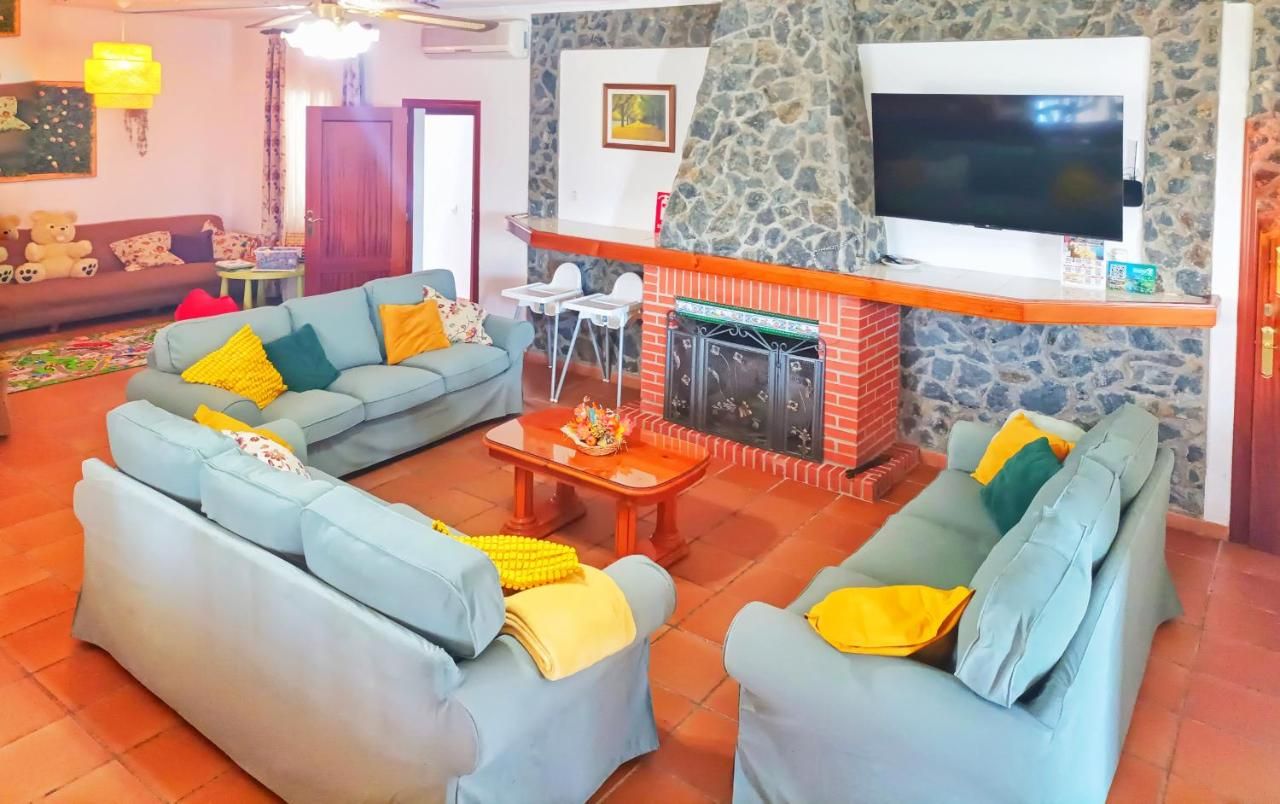
A ground-floor rural home in Posadas, Casa Rural El Olmo combines wheelchair access and accessible parking with a kitchen, garden and thoughtful facilities for families with children. There is also a living…
Read hotel guide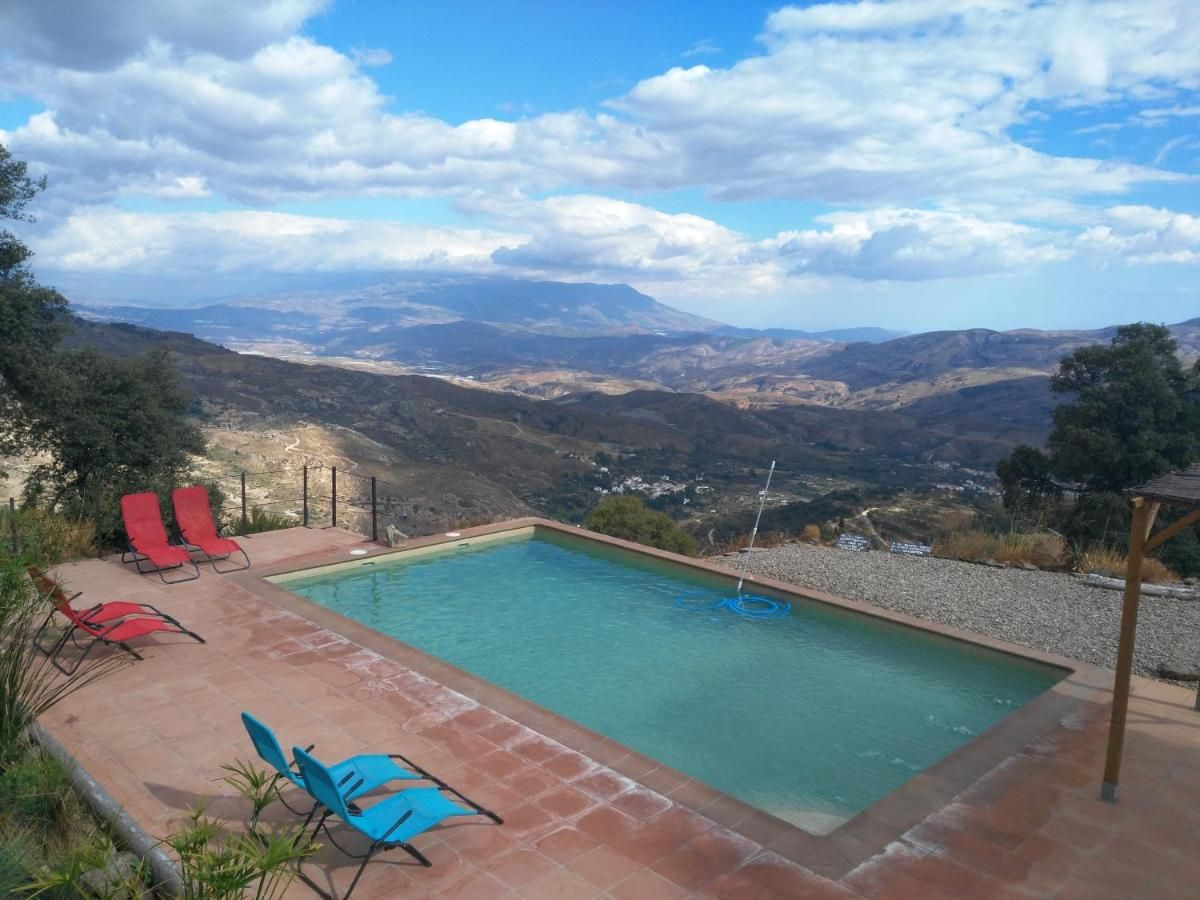
With two pools, a garden and family-friendly facilities, Casa Rural El Paraje de Berchules offers a flexible rural stay in Bérchules. Hiking and cycling are listed alongside practical accessibility features and free…
Read hotel guide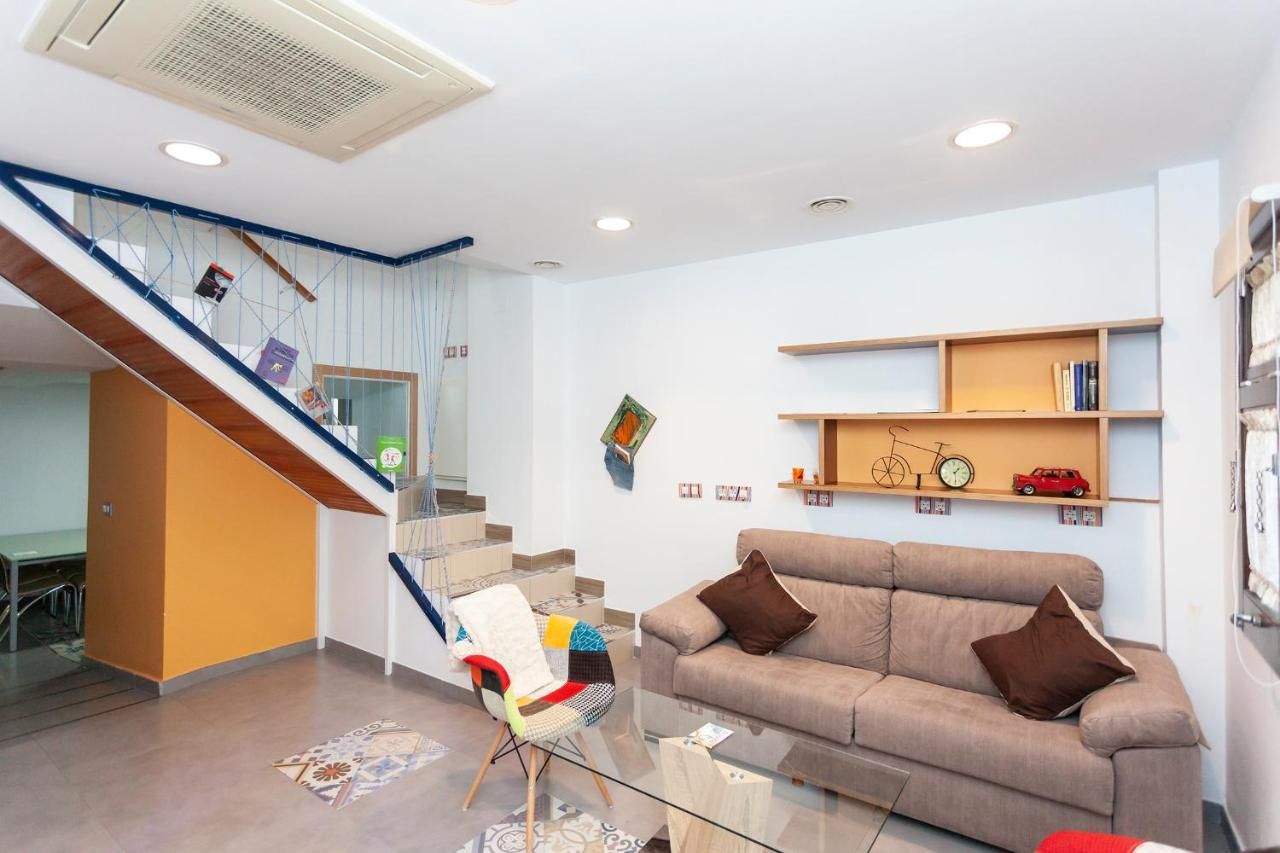
Casa Rural El Paseo Del Libro combines a private entrance, self-catering facilities and a wheelchair-accessible ground-floor layout in Sabiote. Family provisions, a balcony and daily housekeeping add practical detail to a stay…
Read hotel guide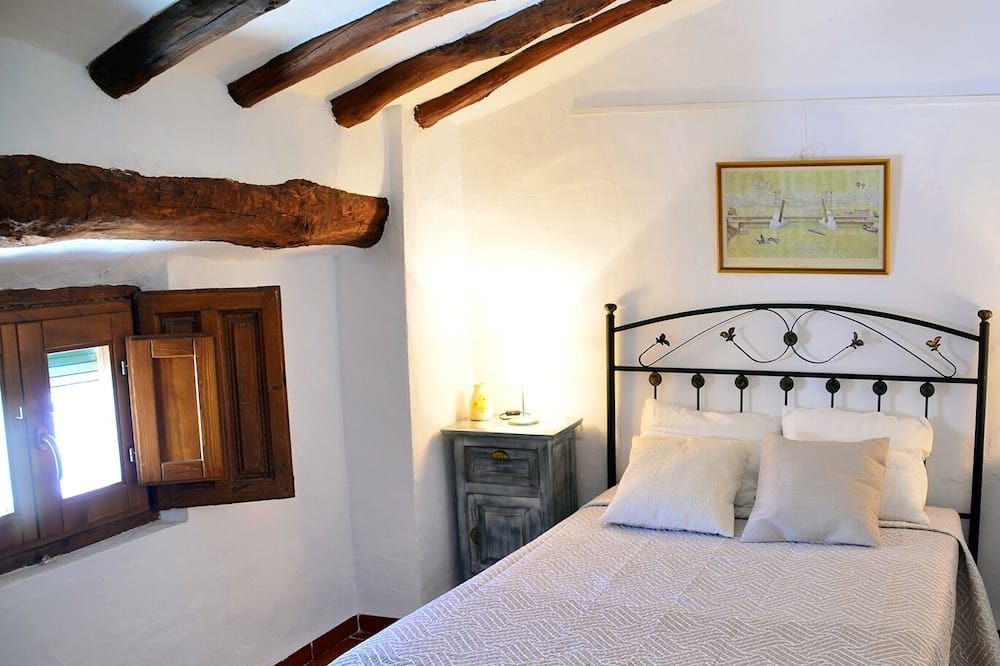
With indoor, outdoor and private pools, a fully equipped kitchen and family-friendly provisions, Casa Rural El Porton De Galera offers an independent stay in Galera. Its wider setting brings hills, river valleys…
Read hotel guide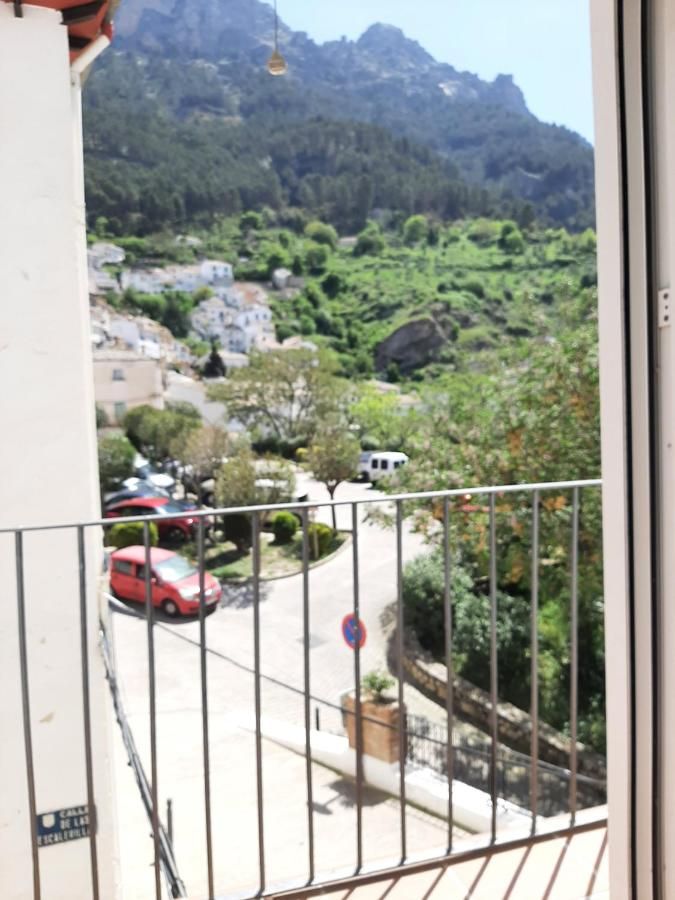
With a full kitchen, fireplace, balcony and terrace, Casa Rural El Solarillo offers an independent home base in Cazorla. Its varied town, mountain and river outlooks complement a stay shaped around cooking,…
Read hotel guide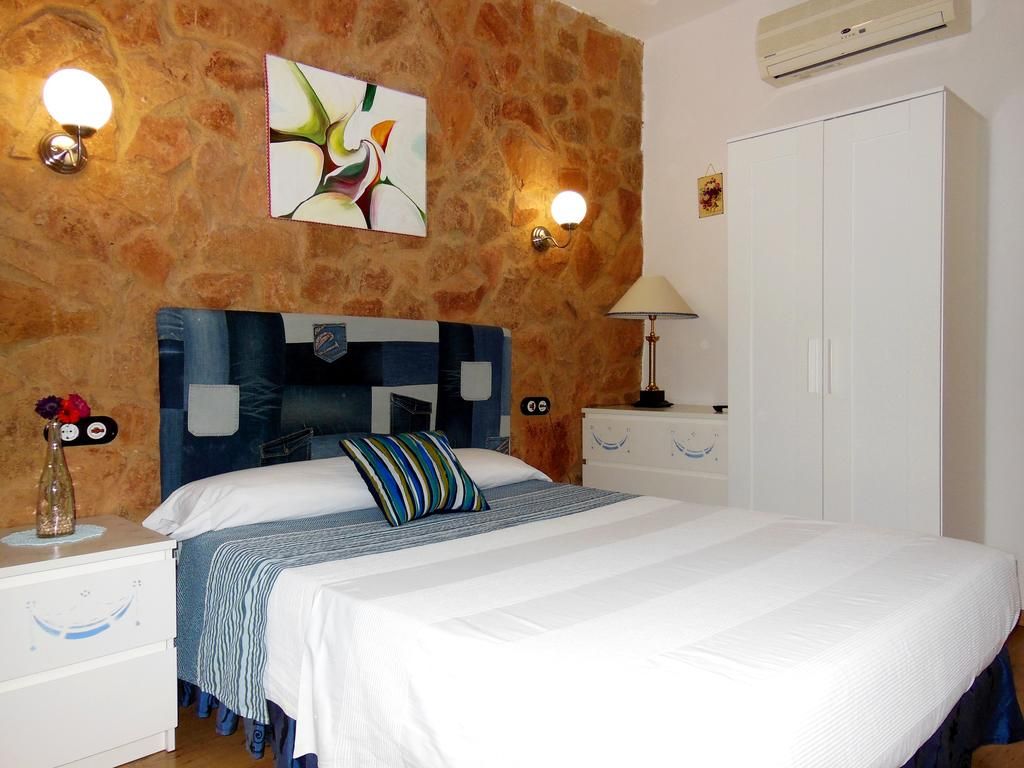
Casa Rural Jardín del Desierto pairs a pool, garden and on-site restaurant with family rooms and detailed accessibility features, including ground-floor accommodation, accessible parking and a roll-in shower in Tabernas.
Read hotel guide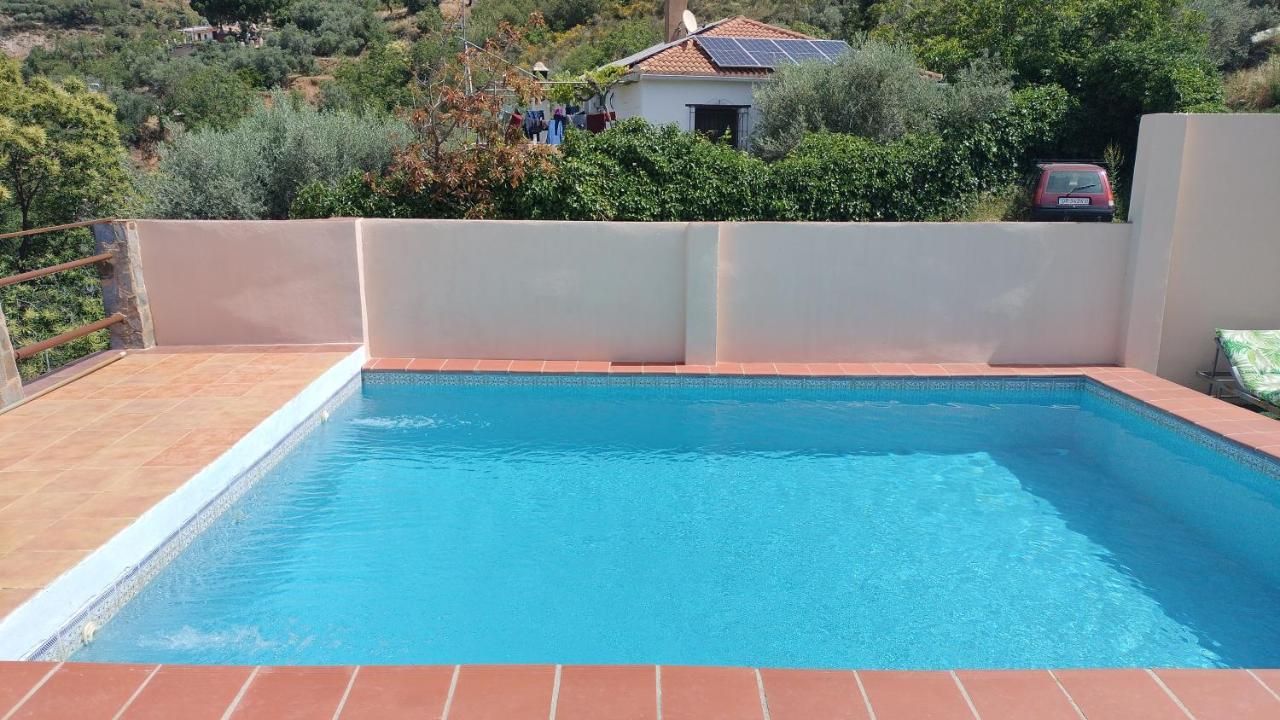
With a private pool, open-air bath, kitchen and garden, Casa Rural La Encina 2 offers an independent house stay in Lanjarón. Its self-catering facilities and the town’s long spa tradition make different…
Read hotel guide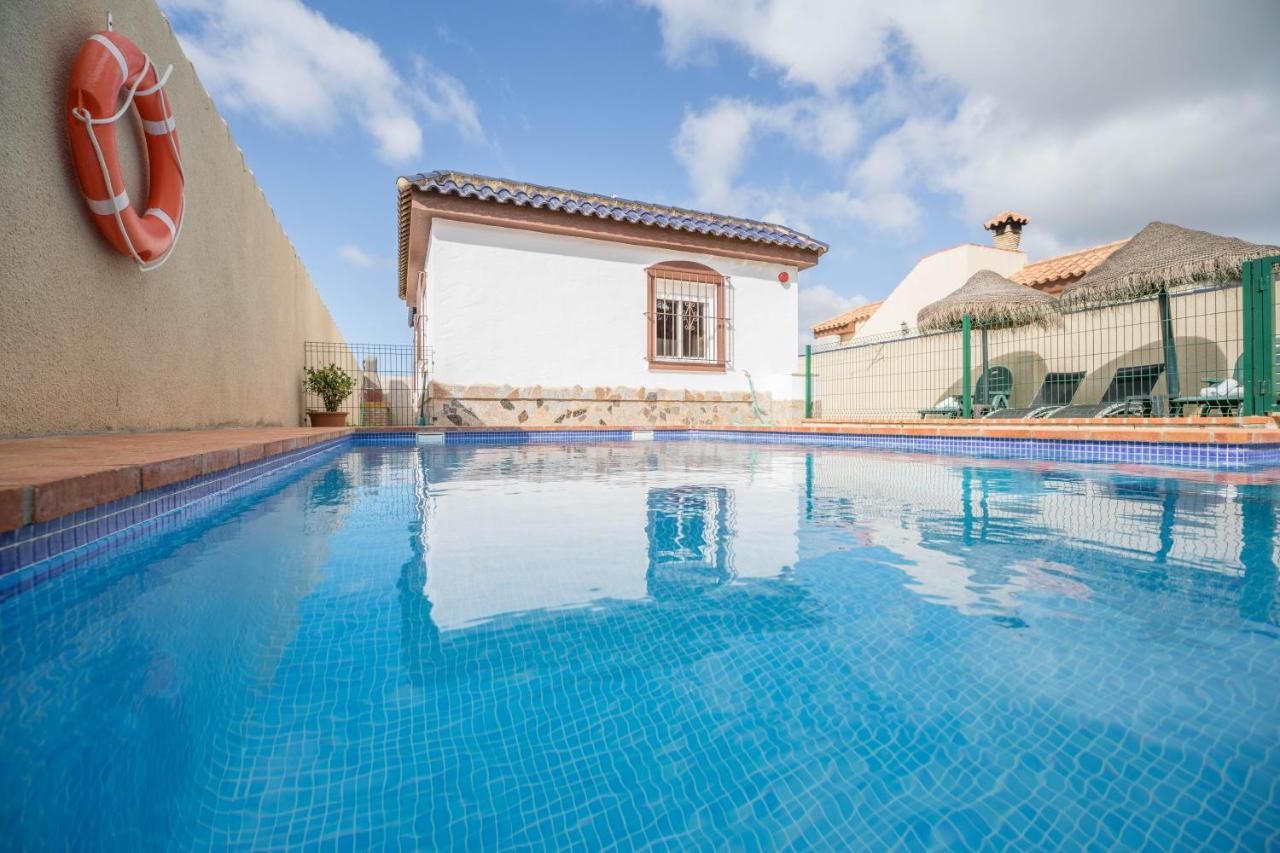
Casa Rural La Ermita pairs a private pool and garden with a well-equipped kitchen, free parking and laundry facilities, making this self-catering Conil de la Frontera stay a practical choice for guests…
Read hotel guide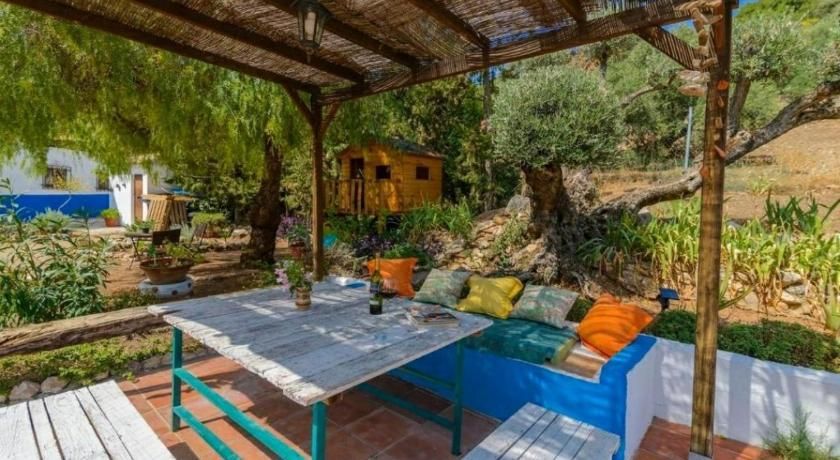
Casa Rural la Joya pairs a detached, self-catering stay in Iznájar with a pool, garden and views spanning lake, mountains and a landmark. Family provisions and outdoor activity options add flexibility for…
Read hotel guide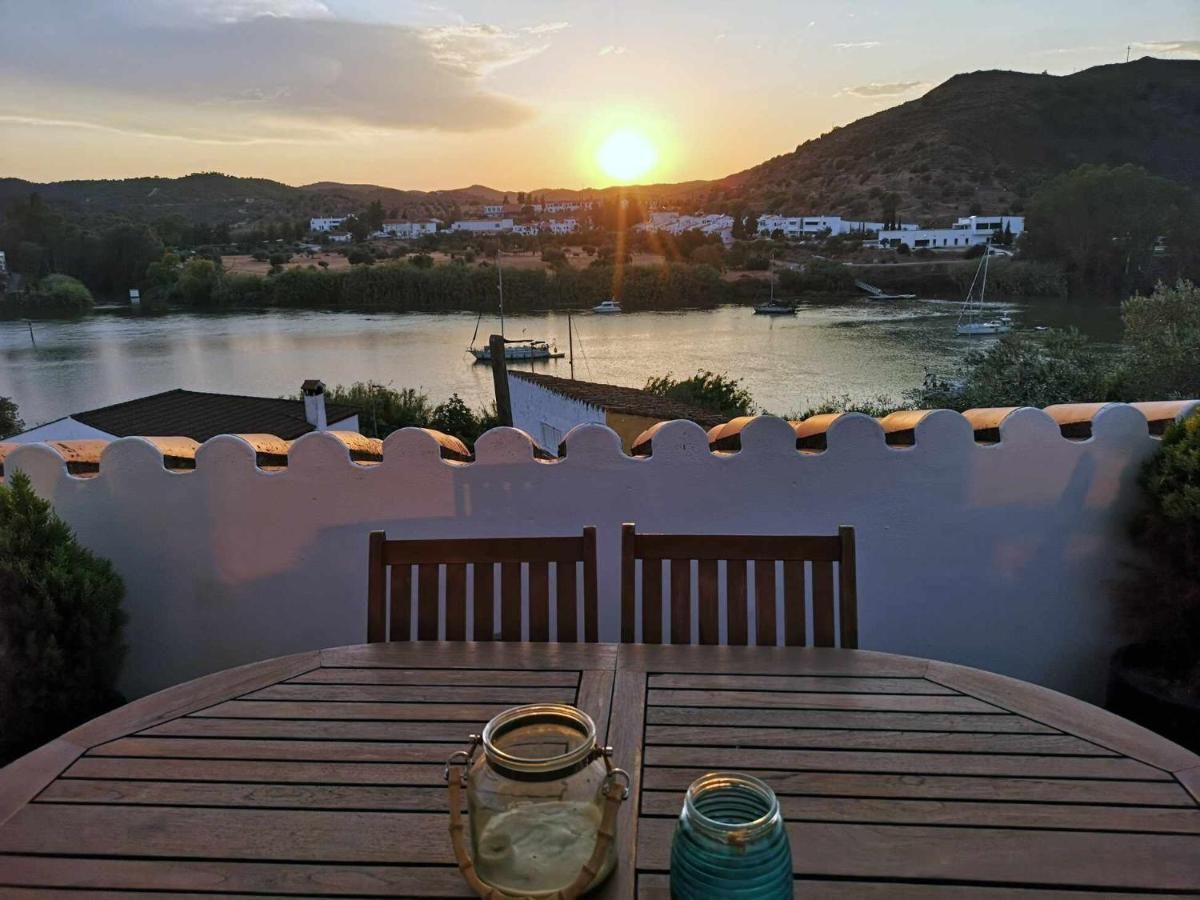
Casa Rural La Raba pairs a well-equipped self-catering kitchen with a balcony, terrace and listed river and mountain views. Its independent layout makes it a practical base for a slower stay in…
Read hotel guide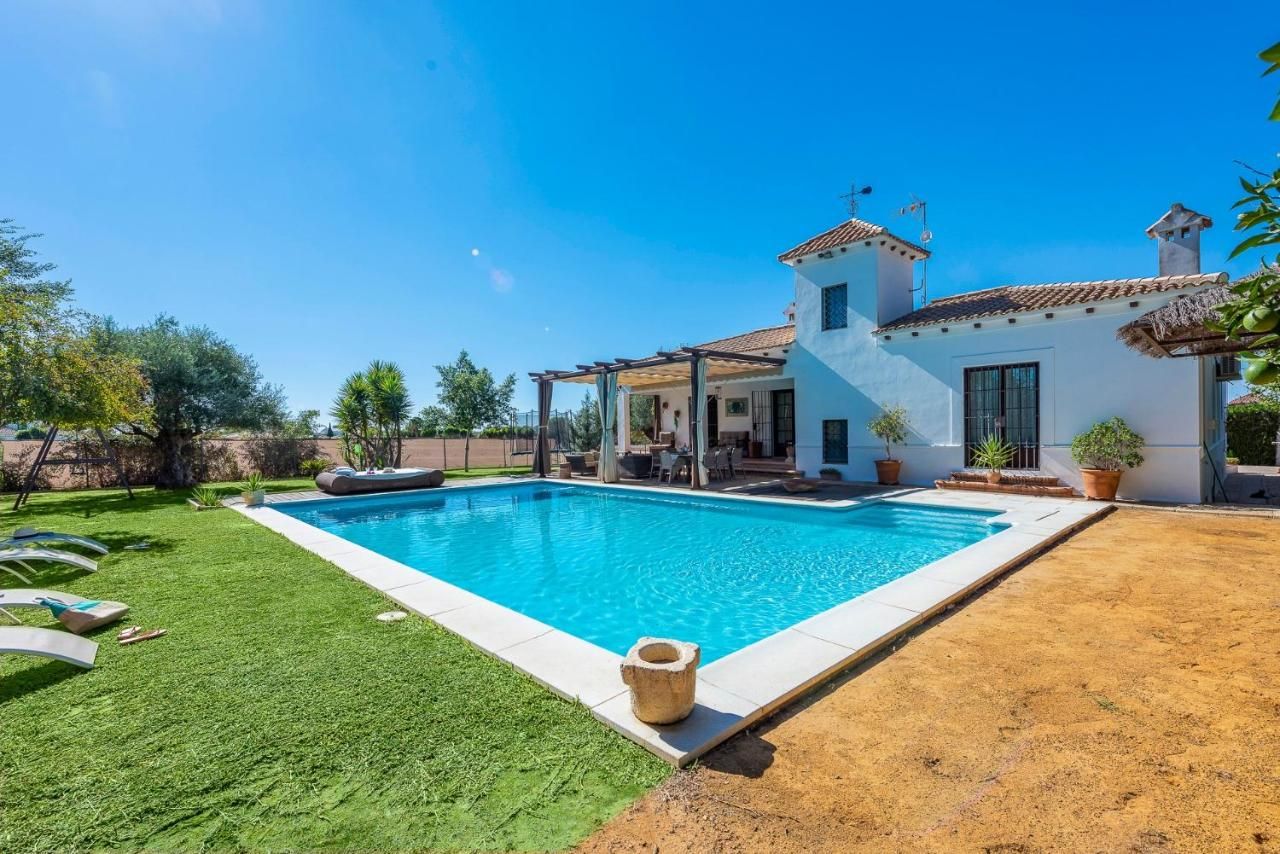
Family provisions include a playground, high chair and available cribs. Its defining combination is practical independence with outdoor space: a kitchen, private entrance, terrace or patio, garden and private pool make the…
Read hotel guide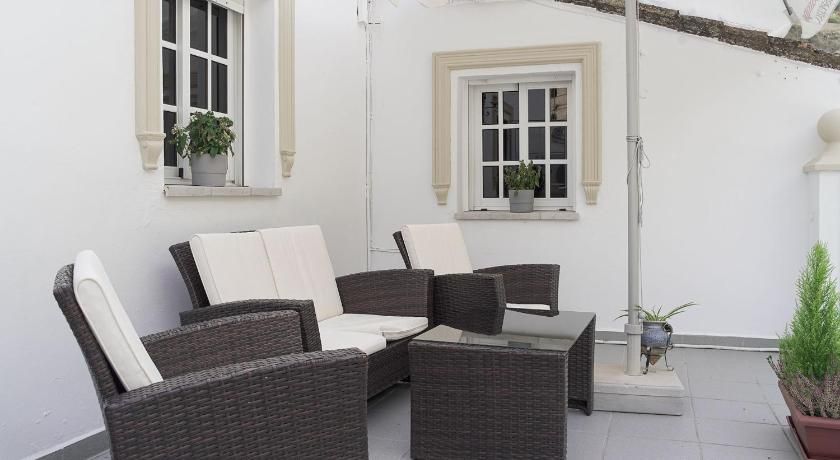
With a kitchen, outdoor pool, hot tub and balcony, Casa Rural Las Cuevas de Setenil offers an independent stay in Setenil de las Bodegas. Its listed city, river and mountain views complement…
Read hotel guide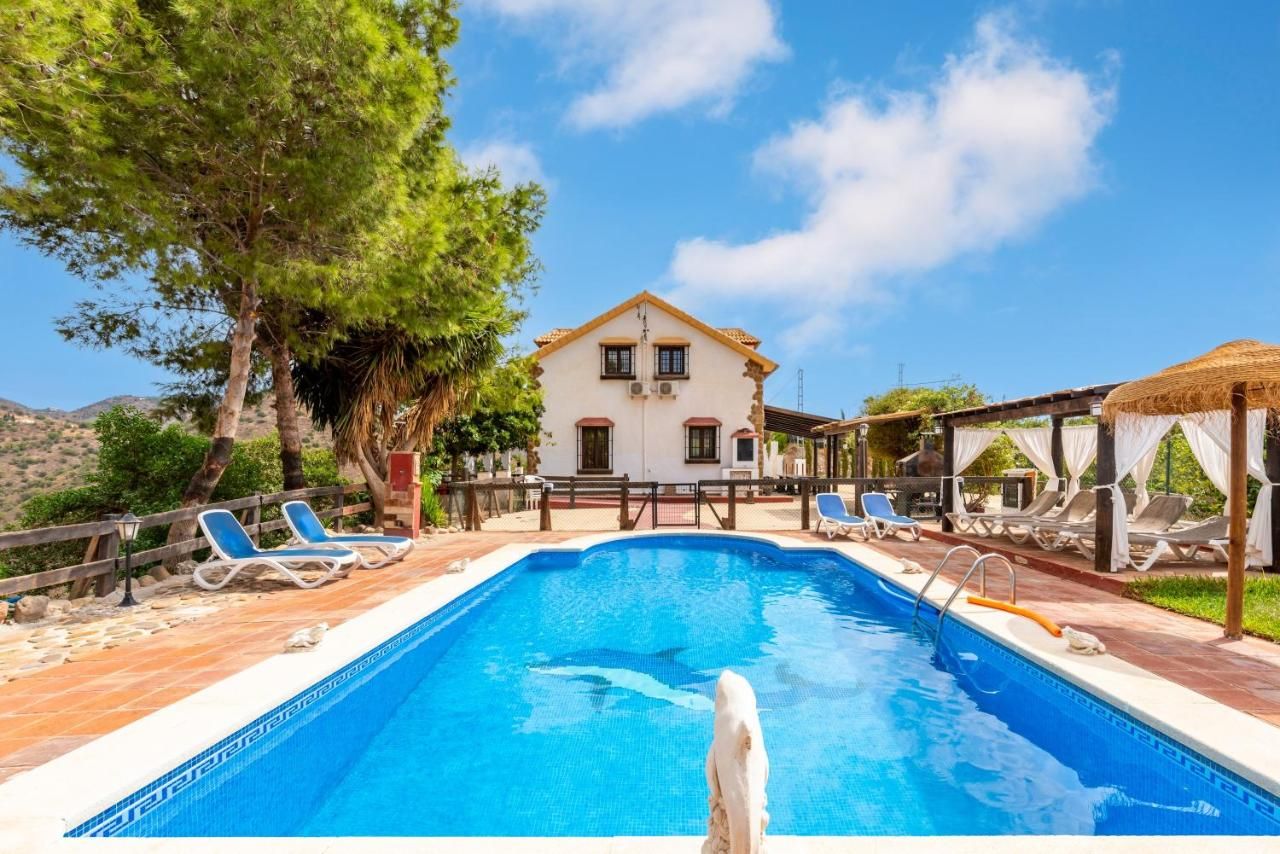
A self-catering country house in Almogía with a private pool, garden and terrace, Casa Rural Loma El Letrao combines a well-equipped kitchen and practical comforts with mountain, lake and sea views in…
Read hotel guide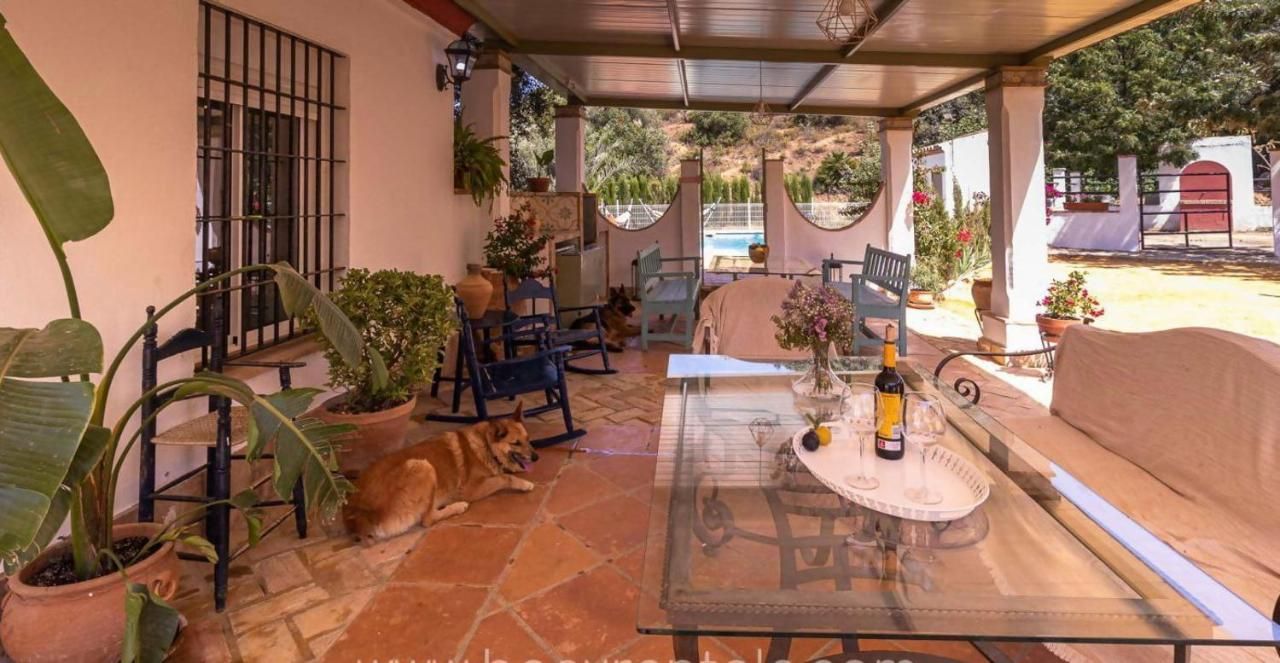
A detached, ground-floor country house in Lora del Río, Casa Rural Los Menestrales pairs a self-catering kitchen with a saltwater pool, garden and river view. Its family facilities and outdoor dining space…
Read hotel guide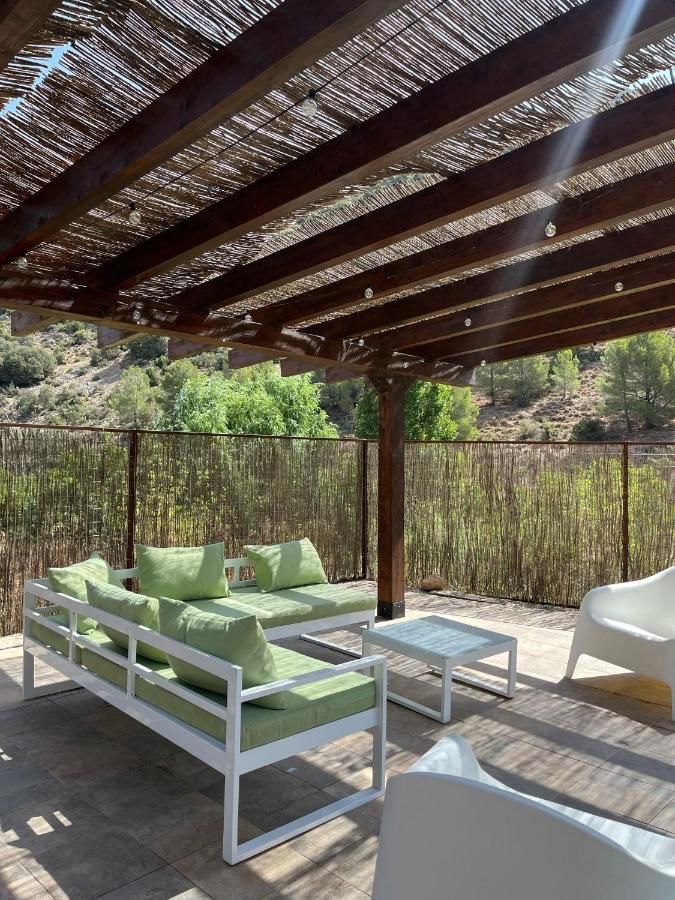
A wheelchair-accessible ground-floor rural stay in Puebla de Don Fadrique, with a pool, garden and practical family facilities. The landscape’s ravines and elevated ground offer a useful context for that evidence, without…
Read hotel guide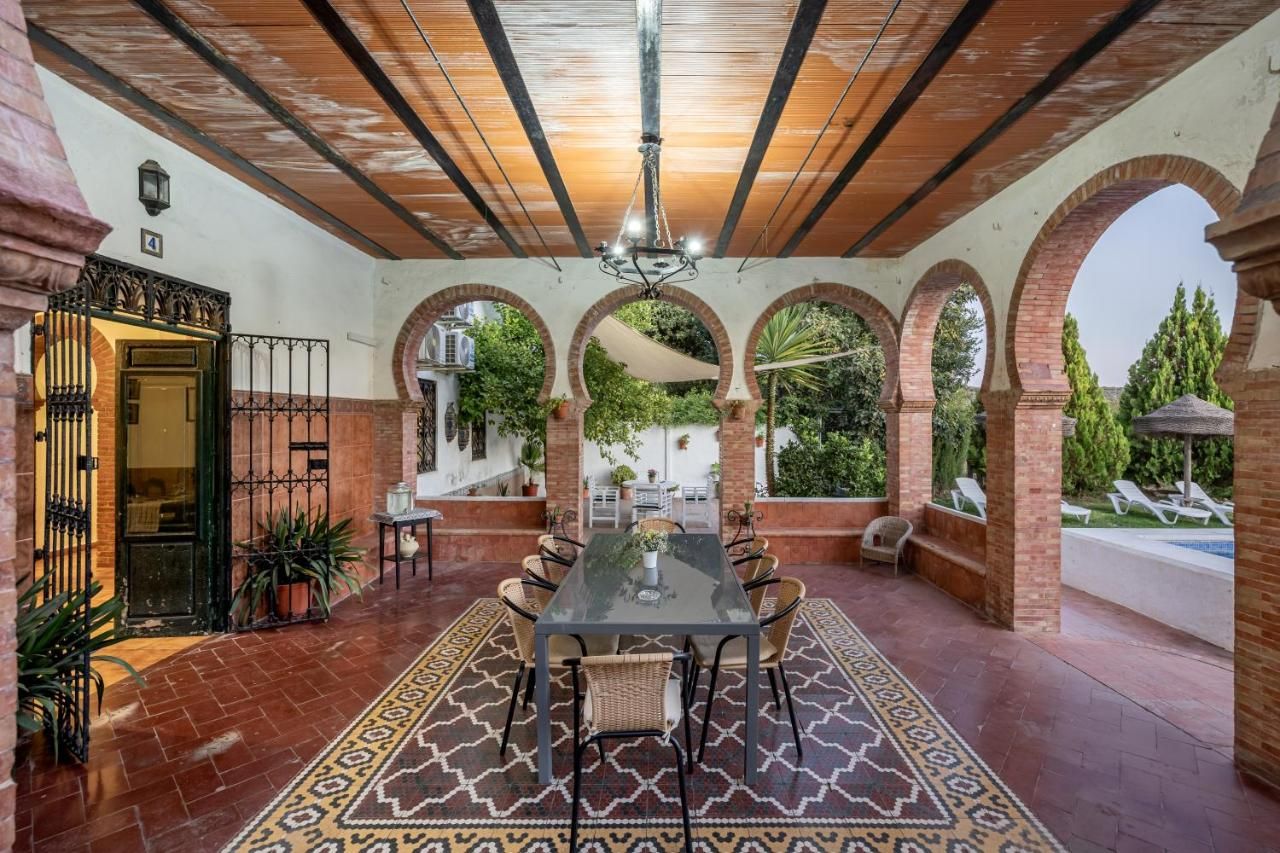
Casa Rural San Antonio pairs a ground-floor, wheelchair-accessible layout with a kitchen, garden and outdoor pool in Cabra. Family provisions, free parking and the freedom to dine outdoors make this self-contained rural…
Read hotel guide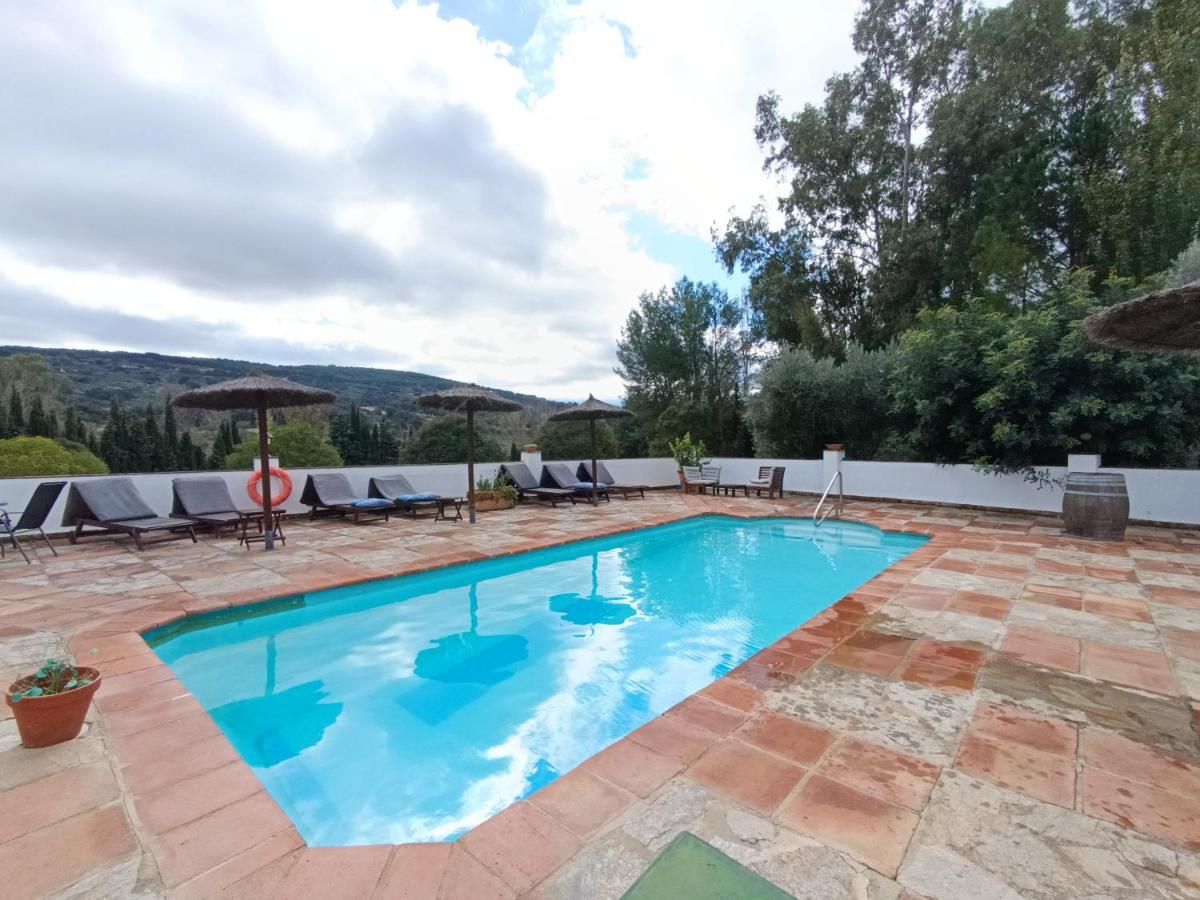
A rural boutique stay in Ronda with a plunge pool, garden, terrace and mountain views. Casa Rural-boutique Hotel La Perlablanca also offers free parking, private check-in and family rooms, balancing time at…
Read hotel guide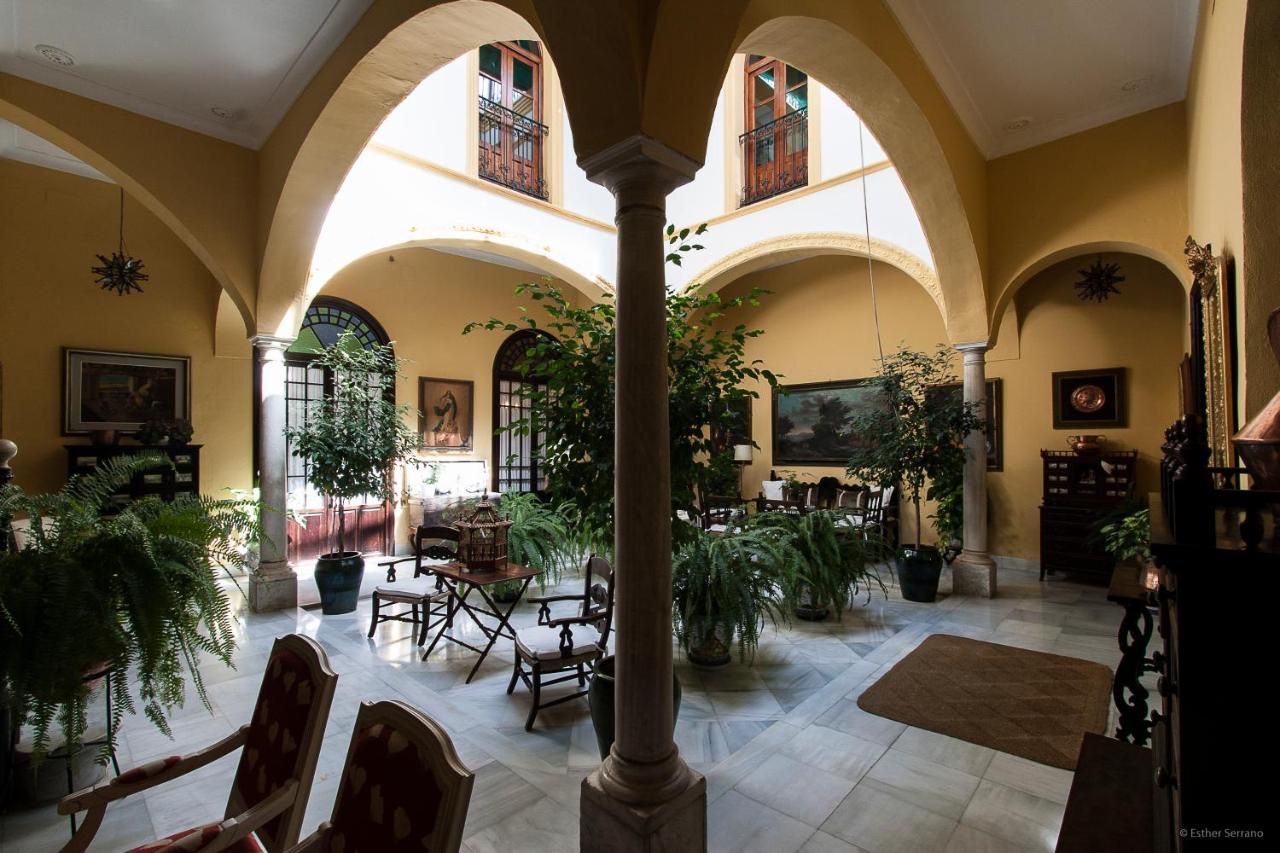
Casa San José pairs a three-star hotel framework in Palma del Río with an outdoor pool, plunge pool, open-air bath and garden. A library and round-the-clock reception add quieter and practical dimensions…
Read hotel guide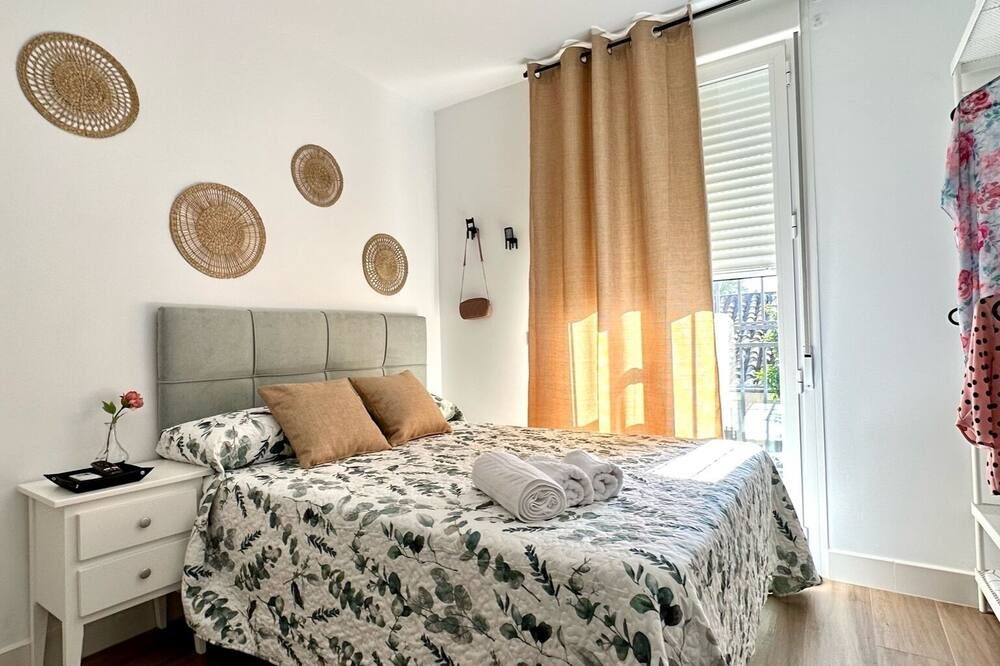
Casa Secunda Romar offers a practical Córdoba base with a kitchen, dining area and laundry facilities. Its self-catering essentials make day-to-day routines easier, while the city’s inward-facing historic houses provide a wider…
Read hotel guide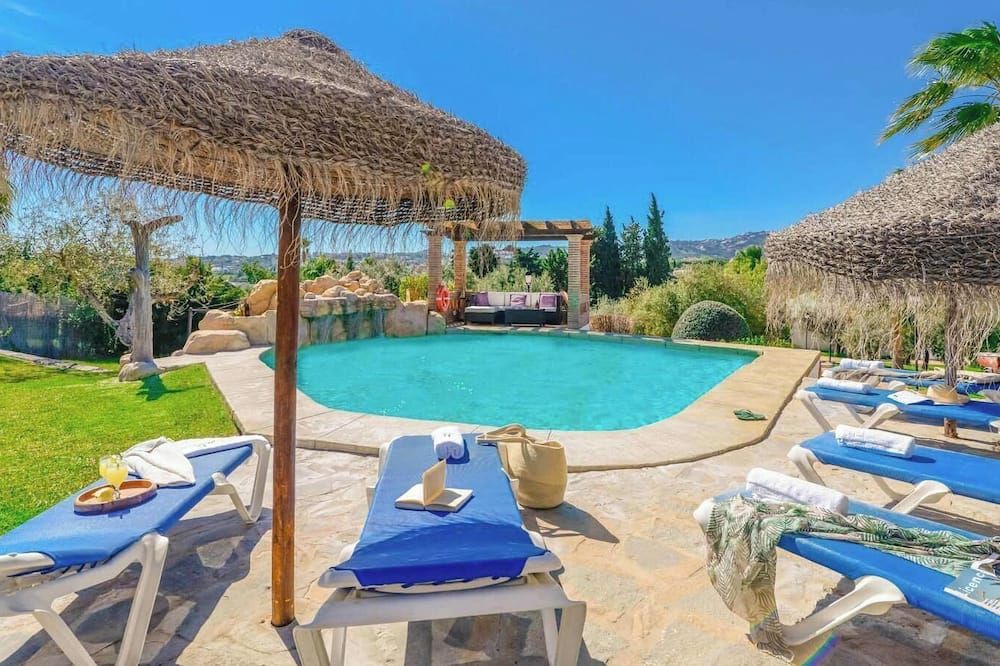
A self-catering Mijas house with a private pool, garden and family-minded details, including a high chair, available cribs, table tennis and a pool table. The kitchen and laundry facilities support an independent…
Read hotel guide